Conscious Cogn September 1999 PMID 10487786

Hypnagogic and hypnopompic hallucinations during sleep paralysis: neurological and cultural construction of the night-mare.

J A Cheyne, S D Rueffer, I R Newby-Clark

Mentions

41
Peak: 2 in Aug 2019
across 4 sources since Aug 2019

Extended reach

627,953
potential audience

Total likes

5,010

Video views

626,382

Mentions per month

Aug 2019 – Jul 2025

Where it's discussed

  • News27 articles
  • Blogs8 articles
  • YouTube4 videos
  • X / Twitter2 posts

AI synopsis

What people are saying

The group shows a solid interest in the scientific and cultural aspects of sleep paralysis, citing specific studies and renowned authors, like Oliver Sacks, to support their points. The tone reflects curiosity and respect for the research's depth, as seen in phrases like 'neurological and cultural construction' and mentions of 'vivid perceptions' which highlight both biological and experiential dimensions of the phenomena.

AgreementModerate agreement

Most discussions acknowledge the validity of the publication's insights into sleep paralysis and hallucinations, referencing its neurological and cultural explanations.

InterestHigh interest

There is high interest shown through references to specific phenomena, historical contexts, and mention of detailed studies, indicating engagement with the subject matter.

EngagementModerate engagement

Discussion includes citations of research (Cheyne et al., 1999) and influential authors like Oliver Sacks, demonstrating a meaningful dialogue and deeper exploration.

ImpactModerate impact

While the discussions recognize the significance of understanding sleep paralysis, the emphasis remains on academic and cultural interpretations rather than immediate practical applications.

Abstract in brief

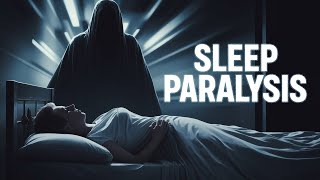
  • The text discusses sleep paralysis (SP) and its associated hallucinations—called hypnagogic and hypnopompic experiences (HHEs)—which often resemble supernatural or paranormal phenomena and are similar across different cultures and times, aligning with how REM sleep functions neurologically.
  • A structural model is proposed that explains these experiences through three factors: Intruder (sense of presence, fear, hallucinations originating from hypervigilance in the midbrain), Incubus (chest pressure, pain, breathing difficulties linked to motor neuron hyperpolarization), and Unusual Bodily Experiences (floating, out-of-body feelings, and bliss, related to conflicts in body orientation and movement).
  • These factors suggest that many hallucinations during sleep paralysis relate to perceptions of an alien presence and physical sensations that challenge typical bodily and self-awareness, providing insights into how brain states and cultural narratives shape these supernatural experiences.]

Top posts

Most liked on X and Bluesky
Free Weight of the World
@Freeway_OnlyWay · X

@NeuroYogacara Cheyne et al. (1999). "Hypnagogic and hypnopompic hallucinations during sleep paralysis: neurological and cultural construction of the night-mare." See also Oliver Sacks's (2012) "Narcolepsy and Night Hags" chapter from *Hallucinations*.

Jun 21, 2022 · 3 likes · 318 followers View post →
Alion
@MaskMyster · X

@DrMMGilchrist1 @Otto_English @UtterBolloxPod Are vivid visual, auditory, tactile, or even kinetic perceptions. Ex: a sensation of impending threat, feelings of suffocation, or sensation of floating - are often cited as sources of accounts of supernatural nocturnal events and paranormal experiences. https://t.co/jMJEIi9iiV

May 21, 2024 · 1 like · 1,254 followers View post →

All mentions

Alion
@MaskMyster · X

@DrMMGilchrist1 @Otto_English @UtterBolloxPod Are vivid visual, auditory, tactile, or even kinetic perceptions. Ex: a sensation of impending threat, feelings of suffocation, or sensation of floating - are often cited as sources of accounts of supernatural nocturnal events and paranormal experiences. https://t.co/jMJEIi9iiV

May 21, 2024 · 1 like · 1,254 followers View post →
Free Weight of the World
@Freeway_OnlyWay · X

@NeuroYogacara Cheyne et al. (1999). "Hypnagogic and hypnopompic hallucinations during sleep paralysis: neurological and cultural construction of the night-mare." See also Oliver Sacks's (2012) "Narcolepsy and Night Hags" chapter from *Hallucinations*.

Jun 21, 2022 · 3 likes · 318 followers View post →