David Josef Volodzko
@davidvolodzko · X
@Jefferson_Hick As a result, some now argue that the amygdala is in fact part of the mirror neuron network (MNN). https://t.co/2fS5upnMvd
Jan 3, 2023 · 2 likes · 21,270 followers
View post →
Mentions
Extended reach
Total likes
Video views
AI synopsis
Several posts demonstrate moderate engagement with the article, such as questioning whether the amygdala belongs to the mirror neuron system, which shows curiosity and a desire to explore the topic further. The tone and brevity of the comments reflect a preliminary interest rather than comprehensive analysis or strong disagreement, contributing to a generally supportive but cautious overall sentiment.
Most discussions express support or curiosity about the research, such as the suggestion that the amygdala may be part of the mirror neuron network, indicating general agreement with the article's implications.
Posts show moderate interest, as they discuss neural mechanisms and invite further debate, but lack deep exploration or detailed analysis.
Participants are engaged enough to question and connect concepts, but the exchanges are brief and not deeply elaborative.
The discussions hint at potential theoretical shifts, like rethinking brain networks, but overall lack examples of immediate practical or widespread impact.
@Jefferson_Hick As a result, some now argue that the amygdala is in fact part of the mirror neuron network (MNN). https://t.co/2fS5upnMvd
@daardos מוסר זה מה שקורה בחברה אמפתית שלגמרי פסיולוגית וחינוכית. את לא רוצחת רק כי אלוהים יעניש אותך? https://t.co/dgdm4xqxmH

Empathy is a complex social, cognitive, and neurological process involving feeling and understanding others' emotions. This video explores hyper empathy syndrome, its signs, and implications for mental health…

Explore why emotions like aggression spread and how contagious emotions influence safety. Learn how emotional contagion affects group behavior and how it can be harnessed to enhance safety in organizations.
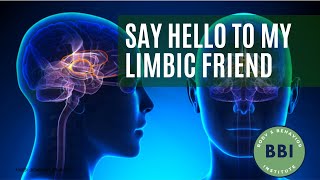
Explore what the limbic system is and why it matters. Learn how to work with this brain region to understand and potentially change behavior, based on scientific research and neuroanatomy studies.
@Jefferson_Hick As a result, some now argue that the amygdala is in fact part of the mirror neuron network (MNN). https://t.co/2fS5upnMvd
@daardos מוסר זה מה שקורה בחברה אמפתית שלגמרי פסיולוגית וחינוכית. את לא רוצחת רק כי אלוהים יעניש אותך? https://t.co/dgdm4xqxmH