Discussions frequently emphasize the physiological implications of the research, with posts mentioning decreased PDH activity and glycogenolysis after fat adaptation, reflecting a thorough engagement with the mechanisms involved. Words like 'fascinate,' 'must read,' and references to historical figures imply a high level of interest and recognition of the study's importance, which collectively suggest that the findings could influence future research and athletic practices.
AgreementStrong agreement
Most comments agree that fat adaptation affects muscle metabolism, specifically noting decreased PDH activity and glycogenolysis, with some discussing whether this compromise impacts exercise performance.
InterestHigh interest
Discussions reflect high interest, with users referencing specific studies, historical discussions, and inviting further reading, showing curiosity about physiological mechanisms.
EngagementHigh engagement
Many posts delve into detailed physiological interpretations, citing references and historical contexts, demonstrating deep engagement with the research.
ImpactModerate impact
While some recognize the significance of these metabolic shifts for athletic performance and training strategies, others suggest the findings might challenge existing paradigms or be relevant for practical athletic applications, indicating noticeable pote
Abstract in brief
The study investigates how five days on a high-fat diet followed by carbohydrate restoration affects fuel use during exercise, finding increased fat oxidation and decreased carbohydrate oxidation after fat adaptation.
Muscle enzyme activities related to carbohydrate metabolism, such as PDH, were lower in the fat-adapted state, leading to reduced glycogen breakdown during exercise.
These changes suggest that fat adaptation with carbohydrate restoration shifts muscle fuel utilization toward more fat burning and less carbohydrate use during aerobic activities.]
#Study on fat adaptation followed by high carbohydrate intake; a must read if you’re working with #athletes. Fascinated with the physiology & its practical implications. https://t.co/uZnRAbxqjI @TStellingwerff @LouiseMBurke @JohnAHawley @LSpriet #cycling #keto #sportsnutrition https://t.co/eRbW1sNm3T
Aug 13, 2019 · 80 likes · 15 shares · 6,205 followersView post →
Tks @LouiseMBurke for sending & taking this photo ~20 yrs ago at @ACSMNews: discussing the fat adaptation/keto impact on decreasing CHO oxidation paper. I was a young nervous PhD student w/ @JohnAHawley @LouiseMBurke @LSpriet Hargreaves and Watt (& Jack!). https://t.co/lL8PC4NcaO https://t.co/zPfsUtmDwR
Nov 10, 2021 · 79 likes · 6 shares · 23,125 followersView post →
CA
Charles Ashford
@cashford_ · X
Just five days of a low-carb, high fat diet caused a significant decrease in PDH activity, even after glycogen levels had been restored. Are we taking away gears 5&6 with chronic low-carb diets? @TStellingwerff
@LouiseMBurke #Coaches20
https://t.co/S2sV4BjfDS
Jan 10, 2020 · 34 likes · 10 shares · 2,620 followersView post →
JG
Javier Gonzalez
@Gonzalez_JT · X
@ProfTimNoakes @LoreofRunning1 @DoctorTro @AKoutnik @RafaelPasschier @timpodlogar @mike_williams73 @DrBSteamjets @jp_walhin @campbellmenz @AaronHengist @theplews1 Its possible that ATP is defended so tightly that the capacity for high intensity exercise is limited in a scenario where the resythesis rate is suboptimal. It would be consisted with yours and others data
https://t.co/X2YTPfjjql
https://t.co/G6KaqBrX7z
Jan 29, 2025 · 5 likes · 10,174 followersView post →
L
@LoreofRunning
@LoreofRunning1 · X
Did @TStellingwerff discuss https://t.co/2sONGDGVoL in which hi-fat diet altered metabolism without altering exercise performance (p385). Thus correct title:"Decreased PDH activation and glycogenolysis during exercise following fat adaptation DOES NOT IMPAIR EXERCISE PERFORMANCE" https://t.co/cuN4Q3HHqD
Jan 26, 2023 · 3 likes · 7,858 followersView post →
JP
Jamie Whitfield, PhD
@jwhitfie · X
@AthIllustrated @TStellingwerff @LouiseMBurke @ACSMNews @JohnAHawley @LSpriet Should be able to download it for free from @AJPEndoMetab
Decreased PDH activation and glycogenolysis during exercise following fat adaptation with carbohydrate restoration
https://t.co/w0zefxeCrZ
Nov 10, 2021 · 3 likes · 1 share · 2,341 followersView post →
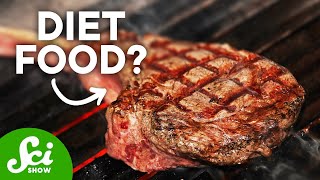
Keto was all the rage until it wasn't. Join Michael Aranda as he discusses the science behind the ketogenic diet, its origins as a treatment for epilepsy, and the current research surrounding its effects.
This video explains the situations when exercising fasted is not recommended, highlighting how fat adaptation impacts fuel use during workouts, leading to increased fat burning and reduced carbohydrate oxidation.
This video discusses how five days on a high-fat diet followed by carbohydrate restoration influences fuel utilization during exercise, leading to increased fat oxidation and decreased carbohydrate use through changes…
Will Girling, pro cycling nutritionist for EF, discusses ketogenic diets, supplements like HVMN Ketone Ester, and their potential to enhance cycling performance by increasing power output and fat burning during exercise.
This video delves into the fascinating realm of quantum mechanics, exploring its fundamental principles and groundbreaking real-world applications. Discover how quantum theory is revolutionizing technology and shaping…
@ProfTimNoakes @LoreofRunning1 @DoctorTro @AKoutnik @RafaelPasschier @timpodlogar @mike_williams73 @DrBSteamjets @jp_walhin @campbellmenz @AaronHengist @theplews1 Its possible that ATP is defended so tightly that the capacity for high intensity exercise is limited in a scenario where the resythesis rate is suboptimal. It would be consisted with yours and others data
https://t.co/X2YTPfjjql
https://t.co/G6KaqBrX7z
Jan 29, 2025 · 5 likes · 10,174 followersView post →
L
@LoreofRunning
@LoreofRunning1 · X
Did @TStellingwerff discuss https://t.co/2sONGDGVoL in which hi-fat diet altered metabolism without altering exercise performance (p385). Thus correct title:"Decreased PDH activation and glycogenolysis during exercise following fat adaptation DOES NOT IMPAIR EXERCISE PERFORMANCE" https://t.co/cuN4Q3HHqD
Jan 26, 2023 · 3 likes · 7,858 followersView post →
DG
David Gómez
@Davidgomct · X
La piruvato deshidrogenasa se ve comprometida después del aumento de grasas en la alimentación
RT @jwhitfie: @AthIllustrated @TStellingwerff @LouiseMBurke @ACSMNews @JohnAHawley @LSpriet Should be able to download it for free from @AJ…
Nov 10, 2021 · 1 share · 23,125 followersView post →
R
Raul
@RaulM06 · X
RT @TStellingwerff: Tks @LouiseMBurke for sending & taking this photo ~20 yrs ago at @ACSMNews: discussing the fat adaptation/keto impact o…
Nov 10, 2021 · 6 shares · 855 followersView post →
JP
Jamie Whitfield, PhD
@jwhitfie · X
@AthIllustrated @TStellingwerff @LouiseMBurke @ACSMNews @JohnAHawley @LSpriet Should be able to download it for free from @AJPEndoMetab
Decreased PDH activation and glycogenolysis during exercise following fat adaptation with carbohydrate restoration
https://t.co/w0zefxeCrZ
Nov 10, 2021 · 3 likes · 1 share · 2,341 followersView post →
LB
Louise Burke
@LouiseMBurke · X
RT @TStellingwerff: Tks @LouiseMBurke for sending & taking this photo ~20 yrs ago at @ACSMNews: discussing the fat adaptation/keto impact o…
Nov 10, 2021 · 6 shares · 16,055 followersView post →
KM
Kenni Gentilino Martinelli
@KGMartinelli · X
RT @TStellingwerff: Tks @LouiseMBurke for sending & taking this photo ~20 yrs ago at @ACSMNews: discussing the fat adaptation/keto impact o…
Tks @LouiseMBurke for sending & taking this photo ~20 yrs ago at @ACSMNews: discussing the fat adaptation/keto impact on decreasing CHO oxidation paper. I was a young nervous PhD student w/ @JohnAHawley @LouiseMBurke @LSpriet Hargreaves and Watt (& Jack!). https://t.co/lL8PC4NcaO https://t.co/zPfsUtmDwR
Nov 10, 2021 · 79 likes · 6 shares · 23,125 followersView post →
G
guzmannutrition
@guzmannutrition · X
@B_Holmer @vincentninja68 2/2 Check references for more reading if you're keen. https://t.co/DebFySfGye
https://t.co/bdwguKCUEx
@jlAreta @HermanPontzer @SamueleMarcora @sweatscience Maybe this work is relevant in this context https://t.co/7qChNn3Mz1 .. I need to read the actual old paper though...
@ForTkdi @shashiiyengar @ProfTimNoakes @PeterBrukner @LouiseMBurke And this:
2006 Stellingwerff Hawley Burke Decreased PDH activation and glycogenolysis during exercise following fat adaptation with carbohydrate restoration
https://t.co/63tg2ANq0r
Dec 29, 2020 · 2 likes · 1,438 followersView post →
MP
Michael Posthumus
@MikePosthumus · X
RT @cashford_: Just five days of a low-carb, high fat diet caused a significant decrease in PDH activity, even after glycogen levels had be…
Jan 13, 2020 · 10 shares · 3,008 followersView post →
GG
Greg Grosicki
@DrGregGrosicki · X
RT @cashford_: Just five days of a low-carb, high fat diet caused a significant decrease in PDH activity, even after glycogen levels had be…
Jan 11, 2020 · 10 shares · 819 followersView post →
AC
Alpine Cols
@AlpineCols · X
RT @cashford_: Just five days of a low-carb, high fat diet caused a significant decrease in PDH activity, even after glycogen levels had be…
Jan 11, 2020 · 10 shares · 364 followersView post →
AC
Andrew Creer
@AndrewCreer · X
RT @cashford_: Just five days of a low-carb, high fat diet caused a significant decrease in PDH activity, even after glycogen levels had be…
Jan 11, 2020 · 10 shares · 209 followersView post →
GG
Greg Grandgeorge
@T2MCoach · X
RT @cashford_: Just five days of a low-carb, high fat diet caused a significant decrease in PDH activity, even after glycogen levels had be…
Jan 11, 2020 · 10 shares · 257 followersView post →
S
SmartNutrition
@SmartNutrition1 · X
RT @cashford_: Just five days of a low-carb, high fat diet caused a significant decrease in PDH activity, even after glycogen levels had be…
Jan 10, 2020 · 10 shares · 2,659 followersView post →
CN
Coach Jamie Norton
@jpnorton8 · X
RT @cashford_: Just five days of a low-carb, high fat diet caused a significant decrease in PDH activity, even after glycogen levels had be…
Jan 10, 2020 · 10 shares · 157 followersView post →
DS
Dr² Philip Skiba
@DrPhilipSkiba · X
RT @cashford_: Just five days of a low-carb, high fat diet caused a significant decrease in PDH activity, even after glycogen levels had be…
Jan 10, 2020 · 10 shares · 7,731 followersView post →
RT @cashford_: Just five days of a low-carb, high fat diet caused a significant decrease in PDH activity, even after glycogen levels had be…
Jan 10, 2020 · 10 shares · 23,125 followersView post →
SR
Steve Rafferty
@SteveRaffertySN · X
RT @cashford_: Just five days of a low-carb, high fat diet caused a significant decrease in PDH activity, even after glycogen levels had be…
Jan 10, 2020 · 10 shares · 1,097 followersView post →
CA
Charles Ashford
@cashford_ · X
Just five days of a low-carb, high fat diet caused a significant decrease in PDH activity, even after glycogen levels had been restored. Are we taking away gears 5&6 with chronic low-carb diets? @TStellingwerff
@LouiseMBurke #Coaches20
https://t.co/S2sV4BjfDS
Jan 10, 2020 · 34 likes · 10 shares · 2,620 followersView post →
G
guzmannutrition
@guzmannutrition · X
RT @guzmannutrition: #Study on fat adaptation followed by high carbohydrate intake; a must read if you’re working with #athletes. Fascinate…
Aug 21, 2019 · 15 shares · 6,205 followersView post →
MB
Mario García Martínez-Gómez, BSc.
@Mariogomecete · X
RT @guzmannutrition: #Study on fat adaptation followed by high carbohydrate intake; a must read if you’re working with #athletes. Fascinate…
Aug 14, 2019 · 15 shares · 155 followersView post →
JN
Jeffery Nutrition
@JefferyNutr · X
RT @guzmannutrition: #Study on fat adaptation followed by high carbohydrate intake; a must read if you’re working with #athletes. Fascinate…
Aug 14, 2019 · 15 shares · 287 followersView post →
GV
Guillem Vizcaíno
@vizcaphysiology · X
RT @guzmannutrition: #Study on fat adaptation followed by high carbohydrate intake; a must read if you’re working with #athletes. Fascinate…
Aug 14, 2019 · 15 shares · 192 followersView post →
L
laili
@laili_lai · X
RT @guzmannutrition: #Study on fat adaptation followed by high carbohydrate intake; a must read if you’re working with #athletes. Fascinate…
Aug 13, 2019 · 15 shares · 67 followersView post →
EG
Ed Gray
@EdwardAGray · X
RT @guzmannutrition: #Study on fat adaptation followed by high carbohydrate intake; a must read if you’re working with #athletes. Fascinate…
Aug 13, 2019 · 15 shares · 104 followersView post →
WC
Wendi A. Irlbeck MS, RDN, LD, CISSN
@Wendi_Irlbeck · X
RT @guzmannutrition: #Study on fat adaptation followed by high carbohydrate intake; a must read if you’re working with #athletes. Fascinate…
Aug 13, 2019 · 15 shares · 53,917 followersView post →
KL
Kieron Lewis
@lewiskd100 · X
RT @guzmannutrition: #Study on fat adaptation followed by high carbohydrate intake; a must read if you’re working with #athletes. Fascinate…
Aug 13, 2019 · 15 shares · 1,160 followersView post →
D
DoctorTro
@DoctorTro · X
RT @guzmannutrition: #Study on fat adaptation followed by high carbohydrate intake; a must read if you’re working with #athletes. Fascinate…
Aug 13, 2019 · 15 shares · 160,593 followersView post →
AP
Abbie Smith-Ryan PhD
@asmithryan · X
RT @guzmannutrition: #Study on fat adaptation followed by high carbohydrate intake; a must read if you’re working with #athletes. Fascinate…
Aug 13, 2019 · 15 shares · 6,128 followersView post →
LT
Luca T
@QuiteLT · X
RT @guzmannutrition: #Study on fat adaptation followed by high carbohydrate intake; a must read if you’re working with #athletes. Fascinate…
Aug 13, 2019 · 15 shares · 364 followersView post →
RD
Rentia Denissen
@RentiaDenissen · X
RT @guzmannutrition: #Study on fat adaptation followed by high carbohydrate intake; a must read if you’re working with #athletes. Fascinate…
Aug 13, 2019 · 15 shares · 147 followersView post →
G
guzmannutrition
@guzmannutrition · X
#Study on fat adaptation followed by high carbohydrate intake; a must read if you’re working with #athletes. Fascinated with the physiology & its practical implications. https://t.co/uZnRAbxqjI @TStellingwerff @LouiseMBurke @JohnAHawley @LSpriet #cycling #keto #sportsnutrition https://t.co/eRbW1sNm3T
Aug 13, 2019 · 80 likes · 15 shares · 6,205 followersView post →