David Wyant
@wyadvd · X
Reciprocal Relationships Between Insulin Resistance and Endothelial Dysfunction | Circulation https://t.co/wtYuaMi2DK
Apr 29, 2021 · 1 like · 2,690 followers
View post →
Mentions
Extended reach
Total likes
Video views
AI synopsis
The discussions reflect a mix of curiosity and scientific engagement, such as the mention of the article's detailed mechanisms and the humorous yet thought-provoking question about chocolate improving insulin resistance. Posts employ a tone that balances technical interest with accessible commentary, highlighting key concepts like endothelial damage and molecular relationships without overly simplified language.
Most discussions recognize the importance of the reciprocal relationship between insulin resistance and endothelial dysfunction, though some tone down the complexity.
There is a moderate level of curiosity, especially around intriguing topics like dietary interventions and the study's mechanisms.
Several posters deeply engage with the subject by referencing the scientific article and discussing its molecular implications.
Participants seem to see some relevance and potential impact, but the overall tone suggests it is more academically interesting than immediately transformative.
Reciprocal Relationships Between Insulin Resistance and Endothelial Dysfunction | Circulation https://t.co/wtYuaMi2DK
Really technical but worth a look !! why get endothelial damage Kim, J. et al. (2006) ‘Reciprocal relationships between insulin resistance and endothelial dysfunction: molecular and pathophysiological mechanisms’, Circulation. Am Heart Assoc, 113(15), pp. 1888–1904.
@EnghAlready @YATYASFitz Just posted a couple minutes ago.
Improve Insulin RESISTANCE with CHOCOLATE? https://t.co/3XjDtRP2fi via @YouTube

Endothelial dysfunction and insulin resistance are interconnected, contributing to cardiovascular and metabolic disorders. Improving endothelial health can reduce insulin resistance, demonstrating a reciprocal…
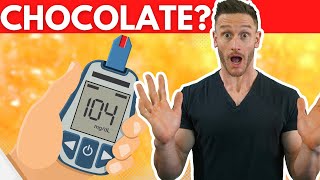
You may be able to improve insulin resistance by eating chocolate. This video examines recent research showing how chocolate consumption could benefit metabolic health and reduce insulin resistance, highlighting the…

Men over 60 can improve blood flow and vitality by avoiding common breakfast pitfalls and consuming specific foods like black beans, oatmeal, green tea, and blueberries. This video shares simple, affordable dietary tips…
Improve Insulin RESISTANCE with CHOCOLATE? https://t.co/3XjDtRP2fi via @YouTube
@EnghAlready @YATYASFitz Just posted a couple minutes ago.
Thomas DeLauer Improve Insulin RESISTANCE with CHOCOLATE? https://t.co/HyilXLfqAA #keto
Reciprocal Relationships Between Insulin Resistance and Endothelial Dysfunction | Circulation https://t.co/wtYuaMi2DK
Really technical but worth a look !! why get endothelial damage Kim, J. et al. (2006) ‘Reciprocal relationships between insulin resistance and endothelial dysfunction: molecular and pathophysiological mechanisms’, Circulation. Am Heart Assoc, 113(15), pp. 1888–1904.