 A
Alba
@albaafisio · X
Sep 12, 2022 · 25 likes · 2 shares · 19,661 followers
View post →
Mentions
Extended reach
Total likes
Video views
AI synopsis
Discussions emphasize the significance of maintaining activity during Achilles tendinopathy rehab, with phrases like 'using a pain-monitoring model' and references to specific studies and measurement methods. The tone suggests a generally positive view of the publication's potential impact but also a curiosity about how this approach compares to traditional rest-centered protocols.
Most discussions support the idea that continuing activity with a pain-monitoring approach is beneficial, reflecting broad agreement with the publication's findings.
The discussions reveal high curiosity about the methodology and implications, with references to specific research studies and clinical practices.
Posts delve into detailed analyses, referencing measurement techniques and previous studies, indicating a moderate level of in-depth engagement.
The debates highlight potential shifts in clinical rehab protocols, suggesting the publication could influence future approaches, but consensus on practice change is still developing.
@mboyle1959 That approach is of itself may not be necessary given the context of newer data and some dating back to 1990s https://t.co/CpM0IBzKdx https://t.co/X30uhZdpos https://t.co/qZzLcHXKCL
@ajmallows1 @Seth0Neill @DrPeteMalliaras @pdkirwan @DrDylanM @Seaniemc89 @myles_physio @MervTravers @debenham_james We have measured strength with heel-rise (endurance) and standing concentric/eccentric power tests see these studies https://t.co/MoV9QFm3ix https://t.co/B5fMAy7e58 https://t.co/eCmpuN1P9F https://t.co/reoYYlXdVL Same measures used in Achilles rupture RCTs
https://t.co/HX6Nnj6qeK https://t.co/8eb0xyxFFV https://t.co/zEtTF9mgnv https://t.co/nYJ0niRkAY @ProfJillCook @Seth0Neill @kgSilbernagel @HakanAlfredson @SIDocking
@JFedeDPT @Robptatcscs @EIPConsult This scale often recommended https://t.co/kjMqI5nvoJ Continued Sports Activity, Using a Pain- Monitoring Model, During Rehabilitation in Patients With Achilles Tendinopathy https://t.co/QzCNiv4f38
@Cristina99410 Claro, desde luego, la pregunta es, ¿Que pasa si se mantiene el “estresor” principal (Trabajo) mientras se pauta un programa de carga? En EESS no tenemos respuestas, en EEII hay un estudio de Silbernagel de 2007 basado en un modelo de monitoreo. https://t.co/UKHwBO57Pg

This video summarizes the epidemiology, diagnosis, and management of tendinopathy, focusing on modern understanding of its pathophysiology and therapeutic approaches, including exercise loading programs for Achilles and…
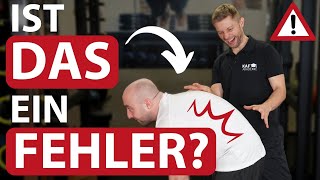
Learn the top 3 mistakes medical fitness trainers should avoid when working with clients experiencing back pain. Discover essential tips to prevent injury and promote effective recovery.
強く痛みを訴える場合でもVASが低い選手・患者も一定数いるため、患者特性を理解した上で疼痛モニタリングを用いた負荷量の調整が必要と感じます。 本日の文献:https://t.co/FKzPTvJl9c
Continued sports activity, using a pain-monitoring model, during rehabilitation in patients with Achilles tendinopa… https://t.co/yoxfm6mpY5 Ótima leitura para o profissional que pede pra interromper totalmente a atividade fisica em casos de tendinopatia #corrersemlesao
@FFizzeo @JOSPT Top ones that come to mind: https://t.co/2gCh5ISnTF
RT @albaafisio:
@mboyle1959 That approach is of itself may not be necessary given the context of newer data and some dating back to 1990s https://t.co/CpM0IBzKdx https://t.co/X30uhZdpos https://t.co/qZzLcHXKCL
@Cristina99410 Claro, desde luego, la pregunta es, ¿Que pasa si se mantiene el “estresor” principal (Trabajo) mientras se pauta un programa de carga? En EESS no tenemos respuestas, en EEII hay un estudio de Silbernagel de 2007 basado en un modelo de monitoreo. https://t.co/UKHwBO57Pg
@JFedeDPT @Robptatcscs @EIPConsult This scale often recommended https://t.co/kjMqI5nvoJ Continued Sports Activity, Using a Pain- Monitoring Model, During Rehabilitation in Patients With Achilles Tendinopathy https://t.co/QzCNiv4f38
RT @kgSilbernagel: @ajmallows1 @Seth0Neill @DrPeteMalliaras @pdkirwan @DrDylanM @Seaniemc89 @myles_physio @MervTravers @debenham_james We h…
RT @kgSilbernagel: @ajmallows1 @Seth0Neill @DrPeteMalliaras @pdkirwan @DrDylanM @Seaniemc89 @myles_physio @MervTravers @debenham_james We h…
@ajmallows1 @Seth0Neill @DrPeteMalliaras @pdkirwan @DrDylanM @Seaniemc89 @myles_physio @MervTravers @debenham_james We have measured strength with heel-rise (endurance) and standing concentric/eccentric power tests see these studies https://t.co/MoV9QFm3ix https://t.co/B5fMAy7e58 https://t.co/eCmpuN1P9F https://t.co/reoYYlXdVL Same measures used in Achilles rupture RCTs
https://t.co/HX6Nnj6qeK https://t.co/8eb0xyxFFV https://t.co/zEtTF9mgnv https://t.co/nYJ0niRkAY @ProfJillCook @Seth0Neill @kgSilbernagel @HakanAlfredson @SIDocking
 JT
 DS
 P
 ɹP
 AA
 小ア
 CL
 SH
 FC
 BB
 JL