 牛
牛乳
@malsamaritan · X
@00_nana_mayu_ru 空き時間で文献検索してしまいました たとえば https://t.co/SioanAyoJm
Mar 23, 2023 · 1 like · 1,208 followers
View post →
Mentions
Extended reach
Total likes
Video views
AI synopsis
The overall discourse demonstrates strong interest and agreement, as shown by comments referencing fossil species like Mio-Pliocene hominoids and Pleistocene Homo, highlighting their aquatic behaviors. The tone is analytical and supportive, emphasizing the importance of understanding microstructural bone changes, which underscores the perceived relevance and impact of the article in the field of evolutionary biology.
Most discussions support the idea that bone density played a significant role in buoyancy adaptation in early cetaceans, showing general agreement with the publication's conclusions.
Posts display high curiosity about evolutionary adaptations, with multiple references to ancient species and their behaviors, indicating strong interest.
Participants engage by elaborating on evolutionary contexts, referencing fossil evidence, and comparing other species' adaptations, reflecting moderate depth of discussion.
The discussions recognize the potential significance of the findings for understanding evolution, though largely within academic contexts, indicating a moderate impact.
@00_nana_mayu_ru 空き時間で文献検索してしまいました たとえば https://t.co/SioanAyoJm
@ine2019 夜の空に染まると考えるのも良いと思います。私から見えるあーるさんには、その中に星や月が見えますから。 昨日の話はこの中↓にあります https://t.co/cNe19TZpsq が私には読むの難しいです笑。 あーるさんのお好きなブラキオサウルスの骨密度の話でしたら、首の部分と尾の部分で違う、という話が
@ChrisStringer65 H.neand. were divers-waders for shellfish ... salmon? https://t.co/b98icYANrU Pleistocene Homo = shallow-divers for shellfish. https://t.co/lTN5KjyufY Mio-Pliocene Hominoidea "apes" were already bipedal waders-climbers: aquarboreal (aqua=water, arbor=tree) https://t.co/J9xqYqEJMA
@LeeRberger @NatGeo ?? Au.sediba = fossil bonobo! It has 0 to with *human*evolution. Mio-Pliocene "apes" were already bipedal: waded+climbed: aquarboreal. https://t.co/J9xqYqEJMA https://t.co/b98icYANrU Pleistocene H.erectus became shallow-divers for shellfish + stone tools. https://t.co/lTN5KjyufY
@FossilHistory @Qafzeh @calacademy Bipedality = wading !! 1) Mio-Pliocene Hominoidea were already bipedal = wading-climbing = vertical !! Aquarboreal (aqua=water, arbor=tree). https://t.co/J9xqYqEJMA https://t.co/b98icYANrU 2) Pleistocene Homo = shallow-diving for shellfish (stone tools). https://t.co/lTN5KjyufY
@johnhawks Archaic Homo comparative anatomy: https://t.co/b98icYANrU Pleistocene Homo = shallow-divers for shellfish. https://t.co/lTN5KjyufY Mio-Pliocene Hominoidea = bipedal waders-climbers: aquarboreal. https://t.co/J9xqYqEJMA
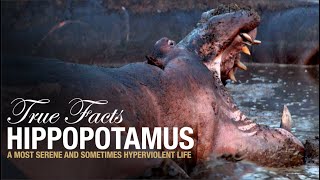
The sweat of the hippopotamus begins as a colorless viscous liquid and quickly transitions to red and brown due to pigment polymerization. This video explores the fascinating pigments responsible for this color change…

Amazing facts about the wall of China, including its history, length, and significance as a tourist attraction. Discover the details behind this iconic structure and its influence on Chinese culture.
@johnhawks Archaic Homo comparative anatomy: https://t.co/b98icYANrU Pleistocene Homo = shallow-divers for shellfish. https://t.co/lTN5KjyufY Mio-Pliocene Hominoidea = bipedal waders-climbers: aquarboreal. https://t.co/J9xqYqEJMA
@ChrisStringer65 H.neand. were divers-waders for shellfish ... salmon? https://t.co/b98icYANrU Pleistocene Homo = shallow-divers for shellfish. https://t.co/lTN5KjyufY Mio-Pliocene Hominoidea "apes" were already bipedal waders-climbers: aquarboreal (aqua=water, arbor=tree) https://t.co/J9xqYqEJMA
Divergent Skull Morphology Supports 2 Trophic Specializations in Otters https://t.co/rJyGqk3PCn
https://t.co/vXdVuAb5sw :-) Of course: https://t.co/b98icYANrU Pleistocene Homo = shallow-divers for shellfish. https://t.co/lTN5KjyufY Mio-Pliocene Hominoidea = bipedal waders-climbers: aquarboreal. https://t.co/J9xqYqEJMA
@LeeRberger @NatGeo ?? Au.sediba = fossil bonobo! It has 0 to with *human*evolution. Mio-Pliocene "apes" were already bipedal: waded+climbed: aquarboreal. https://t.co/J9xqYqEJMA https://t.co/b98icYANrU Pleistocene H.erectus became shallow-divers for shellfish + stone tools. https://t.co/lTN5KjyufY
@LeeRberger @NatGeo ?? Au.sediba was a fossil bonobo !! Mio-Pliocene Hominoidea ("apes") were aquarboreal: they waded + climbed: already bipedal !! https://t.co/J9xqYqEJMA Pleistocene Homo erectus cs became shallow-divers for shellfish (+ stone tools): https://t.co/lTN5KjyufY https://t.co/b98icYANrU
@Ella_AlShamahi @FossilHistory @ChrisStringer65 @tommyhigham @MDPetraglia @LeeRberger @johnhawks The worst ones, you mean?? Comparative evidence: Hominoid & human evolution: Mio-Pliocene Hominoidea were already bipedal waders-climbers: aquarboreal. https://t.co/J9xqYqEJMA https://t.co/b98icYANrU Pleistocene Homo became shallow-divers for shellfish. https://t.co/lTN5KjyufY
@FossilHistory @Qafzeh @calacademy Bipedality = wading !! 1) Mio-Pliocene Hominoidea were already bipedal = wading-climbing = vertical !! Aquarboreal (aqua=water, arbor=tree). https://t.co/J9xqYqEJMA https://t.co/b98icYANrU 2) Pleistocene Homo = shallow-diving for shellfish (stone tools). https://t.co/lTN5KjyufY
@ChrisStringer65 Thanks, very interesting! https://t.co/b98icYANrU Pleistocene Homo = shallow-divers for shellfish. https://t.co/lTN5KjyufY Mio-Pliocene Hominoidea = bipedal waders-climbers: aquarboreal. https://t.co/J9xqYqEJMA
Sink or swim? Bone density as a mechanism for buoyancy control in early cetaceans https://t.co/b98icYANrU
https://www.youtube.com/watch?v=6pibJ83crQs
@ine2019 夜の空に染まると考えるのも良いと思います。私から見えるあーるさんには、その中に星や月が見えますから。 昨日の話はこの中↓にあります https://t.co/cNe19TZpsq が私には読むの難しいです笑。 あーるさんのお好きなブラキオサウルスの骨密度の話でしたら、首の部分と尾の部分で違う、という話が
@00_nana_mayu_ru 空き時間で文献検索してしまいました たとえば https://t.co/SioanAyoJm
 ま
 MV