Several discussions highlight the significance of affect labeling in emotional regulation, citing MRI studies and scientific findings, such as mentions of the amygdala and prefrontal cortex. The tone is informative and optimistic, with words like 'helps,' 'disrupts,' and 'reduces,' which emphasize the technique’s effectiveness and potential benefits for mental health and emotional management.
AgreementModerate agreement
Most discussions support the idea that affect labeling reduces emotional responses and helps manage feelings, aligning with the publication's findings.
InterestNeutral interest
EngagementNeutral engagement
ImpactNeutral impact
Abstract in brief
The study found that putting feelings into words (affect labeling) reduces activity in the amygdala and other limbic regions when viewing negative images, which are associated with emotional reactions.
During affect labeling, there was increased activity in the right ventrolateral prefrontal cortex (RVLPFC), a brain area involved in regulation and control.
The research suggests that affect labeling helps decrease emotional responses through a pathway involving the RVLPFC, medial prefrontal cortex (MPFC), and the amygdala, ultimately leading to better emotional management.]
11.و شروط ها
این افکار و احساسات منفی که خودبخود وقت و انرژی شمارو مصرف کردن، پس حداقل یکم با هدف تر و به شکل آگاهانه تر و بدون قضاوت باهاشون مواجه بشید.
این مطالعه نشون میده
https://t.co/tsorWNYvho
اگر روی تجربیات احساسیمون یه اسم بزاریم یا روشون یه لیبل بچسبونیم، میتونه کمک
Jun 11, 2023 · 32 likes · 12,498 followersView post →
M
Maede
@Maede2024 · X
بیان کلامی احساسات به مدیریت هیجانات منفی کمک میکند. تصویربرداری مغزی نشان میدهد این فرایند با کاهش فعالیت آمیگدالا و افزایش فعالیت قشر پیشپیشانی، به تنظیم و کنترل بهتر واکنشهای هیجانی منجر میشود.
https://t.co/p6fPkm0FMr
Dec 25, 2023 · 13 likes · 1 share · 40,759 followersView post →
M
Maede
@Maede2024 · X
با تمرین ذهنآگاهی میتوانیم احساساتمان مثل غم، اضطراب یا سردرگمی را آگاهانه بشناسیم و نام ببریم. با این کار میتوانیم شاهد کمرنگ شدن آنها باشیم و ذهنمان آرامتر، متمرکزتر و در آرامش بیشتری قرار بگیرد.
https://t.co/p6fPkm0FMr
نامگذاری احساسات فعالیت آمیگدالا را که مسئول پاسخ مقابله یا گریز است کاهش میدهد. با واژه دادن به هیجانات، از واکنشگری فاصله میگیریم و بخشهای زبانی و معنایی مغز فعال میشوند. این کار به آگاهی بیشتر و کاهش واکنشپذیری کمک میکند.
https://t.co/p6fPkm0FMr
If we experience a surge of distress or anxiety, research has demonstrated that merely verbal labeling of our negative emotions can reduce stress by up to 50%
https://t.co/mo498THJEr
Jan 10, 2022 · 7 likes · 27,861 followersView post →
Struggling with what to say when someone is in pain? This video offers guidance on supportive communication, highlighting what to say and avoid to help comfort others during difficult emotional moments, backed by…
Learn how affect labeling reduces emotional responses by targeting brain activity, helping you better manage emotions and make thoughtful decisions. This technique increases activity in the prefrontal cortex and…
Returning to Hunter x Hunter, this video discusses Gon Freecss, focusing on selective empathy, stress inoculation, egocentrism, and emotion labeling. It explores how affect labeling reduces emotional reactivity by…
Putting feelings into words reduces amygdala activity in response to negative stimuli, aiding emotional regulation through increased activity in the prefrontal cortex, enhancing control over emotional reactions.
Putting feelings into words, known as affect labeling, reduces activity in the amygdala and limbic regions during emotional responses. This technique engages the prefrontal cortex to improve emotional regulation and…
Learn concrete tools to manage depression by understanding helpful behavioral, thought, and emotional adjustments. This knowledge reduces symptoms and restores autonomy, showing accessible paths to well-being even on…
Affect labeling reduces activity in the amygdala and enhances prefrontal control, helping manage emotional responses. The study highlights how putting feelings into words influences brain regions involved in emotion…
This video explores how interacting with natural environments enhances cognitive functioning. Based on Attention Restoration Theory, it highlights experiments demonstrating improved attention skills through activities…
Ever felt like every word you say comes out wrong? Learn three science-backed techniques to rewire your brain, reduce social stress, and stay confident in any social situation. Practical methods include affect labeling…
Did you know that we feel our emotions physically? By paying attention to our feelings, we can positively impact our wellbeing. This video explores the connection between emotions and physical health, highlighting how…
Affect labeling reduces activity in the amygdala and limbic regions when viewing negative images, involving increased activity in the right ventrolateral prefrontal cortex, which helps manage emotional reactions for…
This video shares the recovery story from a lower back stress fracture and highlights how top athletes handle setbacks by viewing injuries as growth opportunities, emphasizing psychological resilience and social support…
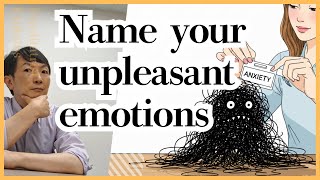
Emotional labeling is a scientifically proven way to calm your mind and body. Giving your feelings a nickname can change brain activity, making it easier to control emotions and feel better by reducing amygdala activity…
لأتخذ بعد ذلك موقفًا أكثر عقلانية ووعيًا.
إنها نعمة الوعي التي وهبنا الله إيّاها؛ أن نسمّي ما نشعر به فنملك زمام أنفسنا بدل أن نُساق خلفها.
رابط الدراسة:
— https://t.co/e9sIUN2fNL
— https://t.co/DmT99Vaz0t…
فـ احيانا الواحد بس يحتاج يعترف بمشاعره " أنا مضايقة/ أحس بخيبة أمل"
و علميًا هالشيء "تسمية الشعور" يساعد فعليًا على تهدئة المخ وتقليل التوتر
رابط الدراسة : https://t.co/lljIWVLpk1
نامگذاری احساسات فعالیت آمیگدالا را که مسئول پاسخ مقابله یا گریز است کاهش میدهد. با واژه دادن به هیجانات، از واکنشگری فاصله میگیریم و بخشهای زبانی و معنایی مغز فعال میشوند. این کار به آگاهی بیشتر و کاهش واکنشپذیری کمک میکند.
https://t.co/p6fPkm0FMr
بیان کلامی احساسات به مدیریت هیجانات منفی کمک میکند. تصویربرداری مغزی نشان میدهد این فرایند با کاهش فعالیت آمیگدالا و افزایش فعالیت قشر پیشپیشانی، به تنظیم و کنترل بهتر واکنشهای هیجانی منجر میشود.
https://t.co/p6fPkm0FMr
با تمرین ذهنآگاهی میتوانیم احساساتمان مثل غم، اضطراب یا سردرگمی را آگاهانه بشناسیم و نام ببریم. با این کار میتوانیم شاهد کمرنگ شدن آنها باشیم و ذهنمان آرامتر، متمرکزتر و در آرامش بیشتری قرار بگیرد.
https://t.co/p6fPkm0FMr
RT @Drbinali_: دراسة علمية توضح أن التعبير عن المشاعر بالكلمات يمكن أن يقلل من نشاط اللوزة الدماغية، مما يساعد في تخفيف التأثيرات العاطفية…
Jan 18, 2025 · 3 shares · 1,789 followersView post →
A
Abusalim_22
@Abusalim_22 · X
RT @Drbinali_: دراسة علمية توضح أن التعبير عن المشاعر بالكلمات يمكن أن يقلل من نشاط اللوزة الدماغية، مما يساعد في تخفيف التأثيرات العاطفية…
Jan 18, 2025 · 3 shares · 5,397 followersView post →
سد
سْــنــَــيــّد
@AbdallaAlshehhe · X
RT @Drbinali_: دراسة علمية توضح أن التعبير عن المشاعر بالكلمات يمكن أن يقلل من نشاط اللوزة الدماغية، مما يساعد في تخفيف التأثيرات العاطفية…
Jan 18, 2025 · 3 shares · 184 followersView post →
DA
Dr. Mohammed AlAhbabi
@Drbinali_en · X
A scientific study shows that putting feelings into words can reduce amygdala activity, which helps alleviate negative emotional effects. This process activates the prefrontal cortex, which is associated with emotional regulation.
#Mohammed_AlAhbabi
https://t.co/9hxN19ziLD
دراسة علمية توضح أن التعبير عن المشاعر بالكلمات يمكن أن يقلل من نشاط اللوزة الدماغية، مما يساعد في تخفيف التأثيرات العاطفية السلبية. هذه العملية تُفَعِّل القشرة الجبهية الأمامية المرتبطة بتنظيم العواطف.
#محمد_الأحبابي
https://t.co/PtpJ1h3P1B
Jan 18, 2025 · 6 likes · 3 shares · 8,513 followersView post →
Dec 25, 2023 · 13 likes · 1 share · 40,759 followersView post →
CC
Casey Cuny
@caseycuny · X
Back to school—started with the mood meter, using Peardeck, then taught my students about Affect Labeling: verbalizing unpleasant emotions reduces electrical intensity in the brain—on MRI studies! Best first week yet! #SEL #Teaching Full UCLA study: https://t.co/oiTqneccK8 https://t.co/lIHxtioQZ4
11.و شروط ها
این افکار و احساسات منفی که خودبخود وقت و انرژی شمارو مصرف کردن، پس حداقل یکم با هدف تر و به شکل آگاهانه تر و بدون قضاوت باهاشون مواجه بشید.
این مطالعه نشون میده
https://t.co/tsorWNYvho
اگر روی تجربیات احساسیمون یه اسم بزاریم یا روشون یه لیبل بچسبونیم، میتونه کمک
Jun 11, 2023 · 32 likes · 12,498 followersView post →
IΨ
Icen Ψ
@Icen_exe · X
@bia041229 Aliás esse artigo fala disso
https://t.co/civDNZeP1H
Eso disminuye la respuesta de la amígdala (la zona del sistema límbico responsable de nuestra reacción emocional), lo que reduce instantáneamente la intensidad y malestar que te pueda estar provocando esa emoción (Matthew D Lieberman 2007).
https://t.co/t9CBJ9s6yM
Mar 20, 2023 · 4 likes · 1 share · 12,547 followersView post →
AF
Aplikasi Konseling Online Paling Fleksibel
@get_kalm · X
Lieberman, M. D., Eisenberger, N. I., Crockett, M. J., Tom, S. M., Pfeifer, J. H., & Way, B. M. (2007). Putting feelings into words: Affect labeling disrupts amygdala activity in response to affective stimuli. Psychological Science, 18(5), 421–428. https://t.co/PsLYxy2qo8
@cowbxll Sometimes just labeling (talking about) your feelings can do good. https://t.co/PrFh9dQXb0
Jun 26, 2022 · 1 like · 2,513 followersView post →
L
Lucolly888
@Lucolly888 · X
@kaaaaaaaa999 Hey K.A. Talking about what you are feeling with people you trust can really do good things. Also putting those feelings into labels can also help. https://t.co/PrFh9dQXb0
Jun 6, 2022 · 3 likes · 2,513 followersView post →
DG
Dr Pooja Garg
@poojagarg1111 · X
If we experience a surge of distress or anxiety, research has demonstrated that merely verbal labeling of our negative emotions can reduce stress by up to 50%
https://t.co/mo498THJEr
Jan 10, 2022 · 7 likes · 27,861 followersView post →
EB
Edu Burgoa
@EduardoBurgoa · X
4/ Etiqueta
Etiqueta los miedos de la otra parte y exprésalos para validarlos.
Cuanto antes salgan antes podrás pasar a generar bienestar y confianza.
https://t.co/vyIz0VwIZt
4/ Etiqueta
Etiqueta los miedos de la otra parte y exprésalos para validarlos.
Cuanto antes salgan antes podrás pasar a generar bienestar y confianza.
https://t.co/vyIz0VwIZt
Oct 24, 2021 · 6 likes · 9,694 followersView post →
NR
Naim Ramlee
@NaimRamleee · X
According to a research from U.C.L.A, putting your emotion into words called "affect labeling" can disrupt your amygdala from going into "fight-or-flight" response in which your brain will pump stress hormone into your body to prepare for survival fight.
https://t.co/ZHIezSiQW2
Intressant om att sätta ord på känslor. ”affect labeling, relative to other forms of encoding, diminished the response of the amygdala and other limbic regions to negative emotional images.” https://t.co/UqpBzNDKuI