The discussions highlight some expertise and concerns about the origins of the Wolbachia strain, such as referencing its previous use in Drosophila, and questions about long-term effects, indicating cautious interest and skepticism. Words like 'adapted', 'long-term effects', and references to environmental groups demonstrate a nuanced view, balancing curiosity with caution.
AgreementNeither agree nor disagree
The discussions show skepticism about the research's origins and potential long-term effects, rather than outright disagreement or support.
InterestModerate interest
While there is some curiosity regarding the details and implications of the study, overall engagement is limited to a few comments with deeper concern or curiosity.
EngagementNeutral engagement
The comments reflect moderate engagement with some questions, but lack extensive discussion or detailed analysis.
ImpactModerate impact
There is recognition of potential risks and implications, but no strong consensus on the research's significance or safety.
Abstract in brief
The study successfully introduced a Wolbachia strain into Aedes aegypti mosquitoes, which shortens their adult lifespan, potentially reducing the mosquitoes' ability to transmit diseases like dengue.
The Wolbachia strain remains stable and is passed from mother to offspring efficiently, and it can cause complete cytoplasmic incompatibility, helping it spread through mosquito populations naturally.
Targeting mosquito age with Wolbachia infections could be an effective method to lower the transmission of pathogens such as dengue viruses by decreasing the number of older, infectious mosquitoes.]
U-oh. Es wurden Zellkulturen angelegt, Virusstämme künstlich selektiert, Artgrenzen überschritten und Freilandversuche angestellt. Wo bleiben @greenpeace_de und @testbiotech? Niemand kann doch ausschließen, dass Langzeitfolgen... https://t.co/NyqA5crfhL
Jun 10, 2021 · 1 like · 7,020 followersView post →
DC
David Castro
@DavidECastroG · X
@borratuhuella Aunque, checando ma historia de esta cepa veo que fue aislada de Drosophila melanogaster, donde demostró que reducía su esperanza de vida. Y luego la adaptaron a A. Aegypti a través de cultivos seriados de células del mosquito por 3 años. Te paso el paper https://t.co/TmcKCNswsO
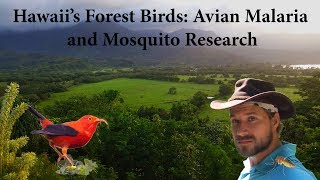
Many factors are contributing to the decline in Hawaii's forest bird populations, with disease from mosquitoes being primary. Scientists are researching ways to reduce mosquito populations, measure avian malaria, and…
Discover how invasive mosquitoes have devastated Hawaii's native birds through avian malaria and poxvirus, with research exploring solutions like BTI and Wolbachia.
@borratuhuella Aunque, checando ma historia de esta cepa veo que fue aislada de Drosophila melanogaster, donde demostró que reducía su esperanza de vida. Y luego la adaptaron a A. Aegypti a través de cultivos seriados de células del mosquito por 3 años. Te paso el paper https://t.co/TmcKCNswsO
U-oh. Es wurden Zellkulturen angelegt, Virusstämme künstlich selektiert, Artgrenzen überschritten und Freilandversuche angestellt. Wo bleiben @greenpeace_de und @testbiotech? Niemand kann doch ausschließen, dass Langzeitfolgen... https://t.co/NyqA5crfhL
Jun 10, 2021 · 1 like · 7,020 followersView post →
 LW
 DC