 SB
Susan Britton
@BrainCoachSusan · X
Here’s a link to the study on the 47% boost in oxytocin: https://t.co/wxroIT8KKF
Feb 18, 2025 · 8,406 followers
View post →
Mentions
Extended reach
Total likes
Video views
AI synopsis
The discussion reflects a keen interest in the biological aspects of empathy, exemplified by mentions of hormone release and specific responses to emotional scenes, with phrases like 'biological theories' and referencing hormone effects. The tone is informative and focused on scientific understanding, suggesting a moderate but meaningful engagement with the research's implications.
The posts largely accept the findings, recognizing the link between empathy, oxytocin release, and generosity, especially with the emphasis on hormones and emotional responses.
Posts demonstrate a high level of curiosity and focus on the biological basis of empathy, showing strong engagement with the scientific content.
Participants are actively discussing the implications of the findings, sharing links to the study, and exploring related concepts like hormonal responses during real-life empathy, indicating thoughtful engagement.
The discussion hints at the potential importance of understanding biological mechanisms in fostering prosocial behavior, although the overall influence on wider social understanding remains moderate.
Here’s a link to the study on the 47% boost in oxytocin: https://t.co/wxroIT8KKF
Let’s start with biological theories. When we experience real-life loss, or empathise with another’s pain (https://t.co/9Q7dblgSnc), hormones such as prolactin (https://t.co/VRG1RXnSqj) and oxytocin (https://t.co/UDB3dUdyUm) are released within us.

Empathy toward strangers increases oxytocin levels, encouraging generosity. Watching emotional scenes boosts oxytocin by 47%, with women showing a stronger response. Higher empathy correlates with increased prosocial…

Why do we enjoy something that should make us feel terrible? This video explores the psychological and neurological factors, including empathy and oxytocin release, that explain our attraction to depressing fiction and…
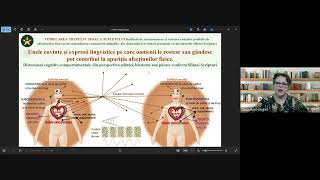
Negative words and expressions can influence physical feelings and oppose healing. This video explores how language affects emotional and physical health, supported by scientific studies on brain activation and…

This video explores the darker aspects of generosity from a psychological perspective. Discover how guilt, beliefs, and moral standards influence giving behavior, revealing potentially negative consequences of…
Here’s a link to the study on the 47% boost in oxytocin: https://t.co/wxroIT8KKF
Here’s a link to the study on the 47% boost in oxytocin: https://t.co/30IU5kQY5g
Let’s start with biological theories. When we experience real-life loss, or empathise with another’s pain (https://t.co/9Q7dblgSnc), hormones such as prolactin (https://t.co/VRG1RXnSqj) and oxytocin (https://t.co/UDB3dUdyUm) are released within us.
 A
 TA