The overall tone reflects a recognition of the importance of skeletal muscle efficiency in energy regulation, with specific mentions of how muscle biochemical changes, such as enzyme activity, affect energy use during low-intensity activities. Phrases like 'disproportionate decline' and references to biochemical mechanisms demonstrate an engaged and thoughtful discussion, indicating these findings may influence future research and clinical strategies.
AgreementModerate agreement
Most discussions acknowledge the significance of the research, noting how muscle efficiency influences energy expenditure after weight changes.
InterestModerate interest
Posts show moderate curiosity about the biochemical mechanisms and implications for weight management.
EngagementModerate engagement
There is a reasonable level of depth as some posts delve into relationships between muscle biochemistry and energy expenditure, but some remain superficial.
ImpactModerate impact
Participants recognize that these findings could influence future approaches to weight control and metabolic health.
Abstract in brief
Maintaining a body weight 10% above or below typical for lean or obese individuals leads to changes in how efficiently muscles work and how they use fuel during low-intensity activities.
These changes are mainly due to alterations in skeletal muscle biochemistry, specifically a decrease in glycolytic enzyme activity (PFK) and a lower ratio of glycolytic to oxidative enzyme activity (COX) after weight loss, without affecting muscle fiber type or mitochondrial density.
The observed muscle biochemical changes are linked to improvements in muscle efficiency and fuel use during low-power exercise, such as cycling at low wattage, indicating that weight management can influence muscle function at a biochemical level.]
- Skeletal muscle work efficiency appears to be the primary determinant of the disproportionate decline in 24- hour energy expenditure following weight loss, with additional declines in resting energy expenditure
Ref:
https://t.co/k1L33q54Ht
Apr 6, 2023 · 1 like · 19,553 followersView post →
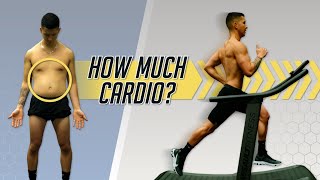
Wondering how much cardio is needed to burn belly fat? This video explains how to design an effective cardio plan that accounts for metabolic changes, helping you break plateaus and effectively lose belly fat.
Today I will explain to you the best way to use cardio as a man with Sowon. The best way to incorporate cardio involves understanding its effects on muscle efficiency and fat loss, preventing muscle loss, and maximizing…
This video explores why cardio is essential for body shaping and beach body goals. It covers scientific concepts like interference and afterburn effects, providing practical advice grounded in research to help you…
- Skeletal muscle work efficiency appears to be the primary determinant of the disproportionate decline in 24- hour energy expenditure following weight loss, with additional declines in resting energy expenditure
Ref:
https://t.co/k1L33q54Ht
Apr 6, 2023 · 1 like · 19,553 followersView post →
N
AJGP 04 25 FO Clinical Forner WEB | PDF | Obesity | Drugs
News
doi: 10.1152/ajpregu.00053.2009. cardiovascular outcomes trials. Diabetes Obes Metab 2020;22(4):699–704. doi: 10.1111/dom.13924. only modest weight loss and ...
doi:10.1152/ajpregu.00053.2009. 4. Ogden CL, Fryar CD, Carroll MD, Flegal KM. Mean body weight, height, and body mass index, United States 1960-2002. Adv ...
 NK