The overall discussions demonstrate high engagement and interest by referencing specific brain regions and scientific studies, such as activation of neural areas related to addiction during romantic rejection, with tone emphasizing the significance of these findings in understanding emotional pain and obsession, which underscores the potential societal impact of framing love as a neurological addiction.
AgreementStrong agreement
Most discussions support the article's findings that love involves brain systems similar to addiction, emphasizing how this view aligns with scientific research on neural activation during rejection.
InterestHigh interest
Posts show high interest by referencing specific studies, neural mechanisms, and psychological implications, indicating engagement with complex scientific concepts.
EngagementHigh engagement
Many comments analyze the neurobiological aspects, compare love rejection to addiction, and cite scientific sources, reflecting deep engagement.
ImpactHigh impact
The discussions highlight how the research influences understanding of love and rejection, suggesting societal and psychological impacts, such as framing heartbreak as an addiction or exploring emotional regulation.
Abstract in brief
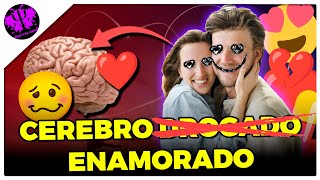
The study used fMRI to examine how the brain reacts to romantic rejection, focusing on areas involved in reward, craving, and emotion regulation in individuals who still felt love despite being rejected.
When viewing photos of their rejecters, participants showed brain activation in regions like the ventral tegmental area, ventral striatum, and orbitofrontal cortex, indicating that romantic passion involves brain systems similar to those engaged in addiction and reward.
The findings suggest that rejection activates neural pathways associated with addiction and reward loss, which may underlie obsessive behaviors and intense emotional responses in love rejection, paralleling reactions seen in substance craving or addiction.]
Studies show that your brain registers the emotional pain of heartbreak in the same way as physical pain, which is why you might feel like your heartbreak is causing actual physical hurt.
https://t.co/23L3SdDgeP
Oct 7, 2021 · 8 likes · 2 shares · 28,040 followersView post →
SY
Sara Younes
@SaraYounes007 · X
The below article shows us that the brain will register our emotional pain due to heartbreak, the same way as physical pain. This is probably why you feel like your heartbreak is causing actual physical pain.
Feb 17, 2021 · 4 likes · 1 share · 72 followersView post →
柚
柚原橙子
@toukorina · X
"Activation of areas involved in cocaine addiction may help explain the obsessive behaviors associated with rejection in love."
原来失恋≈戒毒
https://t.co/Qrpjqwu7sF
Jun 27, 2020 · 3 likes · 7,373 followersView post →
HN
Heba Neam
@NeamHeba · X
و ليس هذا فقط فهذا قد يجعل المخ يمر بتغيرات الإقلاع عن الإدمان،،،
في دراسه صدرت سنه ٢٠١٠م في مجله الفسيولوجيا العصبيه بعنوانReward, Addiction, and Emotion Regulation Systems Associated with Rejection in Love
المكافأه و الإدمان و انظمه ضبط المشاعر المرتبطه بالرفض في الحب،، ت
Jun 14, 2020 · 1 like · 20,137 followersView post →
E
emoddicohn320
@emodicon1 · X
Romantic love is an addiction because it shows addiction characteristics such as the lover's intensely focused attention individual, mood swings, obsession, compulsion, distortion of reality, personality changes, risk-taking, and loss of self-control.. https://t.co/vbiH9qgqlQ
Nov 16, 2023 · 1 like · 1,257 followersView post →
NS
Nattha Saravutanukul
@n3nnnnn · X
Reward, Addiction, and Emotion Regulation Systems Associated With Rejection in Love | Journal of Neurophysiology https://t.co/yvEsaneVLz from @APSPhysiology
The study used fMRI to examine how the brain reacts to romantic rejection, focusing on areas involved in reward, craving, and emotion regulation in individuals who still felt love despite being rejected.
This video explores the nature of infatuation, including symptoms, underlying physiology, and common misconceptions about love. It discusses why we fall in love and examines the neural basis of romantic feelings…
The science of why it hurts has evolved. In 2018, the International Association for the Study of Pain revised its definition to emphasize pain as an unpleasant sensory and emotional experience linked to potential tissue…
This video explores how the brain responds to social rejection, highlighting neuroimaging evidence that links social exclusion to feelings of pain and distress, and discusses the roles of specific brain regions in…
This study used fMRI to examine how the brain reacts to romantic rejection, focusing on reward, craving, and emotion regulation areas in individuals still experiencing love. Insights help understand obsessive behaviors…
@Green_k100 A study, titled "Reward, Addiction, and Emotion Regulation Systems Associated With Rejection in Love" may have one answer to this.
In this they concluded that romantic love activates dopamine-driven reward circuits, creating a "natural addiction" that, when disrupted, leads to
@maudryansam65 @Honey_Souk cf l’expérience scientifique qui prouve que regarder la photo de son ex peut activer dans le cerveau les mêmes zones que chez un toxicomane en manque
https://t.co/Egk5qmxVnx
Reward, addiction, and emotion regulation systems associated with rejection in love https://t.co/pr6Pj5qIcO
Jan 15, 2024 · 1 like · 1 share · 93 followersView post →
E
emoddicohn320
@emodicon1 · X
Romantic love is an addiction because it shows addiction characteristics such as the lover's intensely focused attention individual, mood swings, obsession, compulsion, distortion of reality, personality changes, risk-taking, and loss of self-control.. https://t.co/vbiH9qgqlQ
Nov 16, 2023 · 1 like · 1,257 followersView post →
JC
Javi Ciborro
@papayaykware · X
https://t.co/GLembYWEfD
Sistemas de recompensa, adicción y regulación emocional asociados al rechazo en el amor
@gabyloboc … al aprendizaje. Aparentemente, las personas que son “rechazadas” muestran un comportamiento similar al de unx adictx, entonces, dependiendo de otros factores, pueden reaccionar de muy mala forma (Stalking, por ejemplo). https://t.co/fU8TOz7p59
Love is a drug, literally. The brain circuits activated when a user goes through withdrawal are the same circuits activated when we go through heartbreak. No wonder people act crazy when they’re in love. We are literal fiends for one another.
https://t.co/bwKIaOc2hT
RT @poojagarg1111: Studies show that your brain registers the emotional pain of heartbreak in the same way as physical pain, which is why y…
Oct 7, 2021 · 2 shares · 20,519 followersView post →
RH
Rich Hewitt
@richjhewitt · X
RT @poojagarg1111: Studies show that your brain registers the emotional pain of heartbreak in the same way as physical pain, which is why y…
Oct 7, 2021 · 2 shares · 22,001 followersView post →
DG
Dr Pooja Garg
@poojagarg1111 · X
Studies show that your brain registers the emotional pain of heartbreak in the same way as physical pain, which is why you might feel like your heartbreak is causing actual physical hurt.
https://t.co/23L3SdDgeP
Oct 7, 2021 · 8 likes · 2 shares · 28,040 followersView post →
M
m.
@andiamtaylorfan · X
Reward, Addiction, and Emotion Regulation Systems Associated With Rejection in Love | Journal of Neurophysiology https://t.co/cpcWx65oub
The below article shows us that the brain will register our emotional pain due to heartbreak, the same way as physical pain. This is probably why you feel like your heartbreak is causing actual physical pain.
Feb 17, 2021 · 4 likes · 1 share · 72 followersView post →
堀
堀内進之介
@Homocriticos · X
Fisher, H. E., Brown, L. L., Aron, A., Strong, G., & Mashek, D. (2010). Reward, addiction, and emotion regulation systems associated with rejection in love. Journal of Neurophysiology, 104(1), 51-60.
When someone looks a photo of an ex that rejected them, they show neural activity in cortical and subcortical areas of the brain, associated with craving and addiction. The same part of the brain is activated when someone is craving cocaine. https://t.co/EE9OeZqj6r
Reward, Addiction, and Emotion Regulation Systems Associated With Rejection in Love | Journal of Neurophysiology https://t.co/yvEsaneVLz from @APSPhysiology
"Activation of areas involved in cocaine addiction may help explain the obsessive behaviors associated with rejection in love."
原来失恋≈戒毒
https://t.co/Qrpjqwu7sF
Jun 27, 2020 · 3 likes · 7,373 followersView post →
HN
Heba Neam
@NeamHeba · X
و ليس هذا فقط فهذا قد يجعل المخ يمر بتغيرات الإقلاع عن الإدمان،،،
في دراسه صدرت سنه ٢٠١٠م في مجله الفسيولوجيا العصبيه بعنوانReward, Addiction, and Emotion Regulation Systems Associated with Rejection in Love
المكافأه و الإدمان و انظمه ضبط المشاعر المرتبطه بالرفض في الحب،، ت
Jun 14, 2020 · 1 like · 20,137 followersView post →
C
CalmCris ✨
@CrisGod_ · X
@triple3nadi We can only guess at the psychological reasoning behind this.
But this study did find that being rejected stimulates the parts of our brain responsible for motivation, reward, addiction, and craving. Make of that what you will.
https://t.co/lm8l9wZ1wD
The fMRI results of the study show that looking at a romantic rejecter and cocaine craving have several neural correlates in common. The findings are consistent with the hypothesis that romantic rejection is a specific form of addiction.
https://t.co/xdmtsM7FCD
When someone looks a photo of an ex that rejected them, they show neural activity in cortical and subcortical areas of the brain, associated with craving and addiction. The same part of the brain is activated when someone is craving cocaine. Study: https://t.co/szQPT6BxFR
 DG
 SY
 柚
 HN
 E
 NS



 T
 MA
 N
 JB
 JC
 MK
 MC
 N
 ⵣ
 AV
 JM
 RH
 M
 GS
 堀
 L
 PW
 C
 MH
 AK
 U
 不
 RF