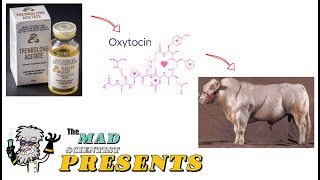
Discussions revolve around the notable increase in oxytocin levels caused by anabolic steroids, with phrases like '50fold increase' and 'linked to muscle building' indicating interest in the biological implications. The tone is supportive and somewhat enthusiastic, reflecting curiosity about potential applications, but lacks deep scientific debate or critique. This suggests a moderate level of engagement and perceived impact based on how the results might influence understanding of muscle growth mechanisms.
AgreementModerate agreement
Most discussions acknowledge the findings, especially highlighting the significant increase in oxytocin linked to anabolic steroids, with some posts suggesting a positive connection to muscle growth.
InterestModerate interest
Posts show a moderate interest, focusing on the implications of oxytocin elevation and its potential role in muscle development, though not deeply exploring the scientific complexities.
EngagementNeutral engagement
The engagement is relatively superficial, with some posts expressing excitement or support but few detailed analyses or critical questions.
ImpactModerate impact
The conversations imply that the findings could influence future research or livestock practices, but the overall impact remains speculative for the general audience.
Abstract in brief
Chronic exposure to anabolic steroids like trenbolone acetate and estradiol in cattle leads to a significant increase in oxytocin expression in muscle tissue and circulating oxytocin levels, which may play a role in muscle growth.
Gene expression analysis shows that anabolic steroid treatment decreases fat metabolism-related genes while increasing those related to muscle growth, extracellular matrix, and cell cycle, indicating complex molecular changes in muscle tissue.
The study suggests that oxytocin, a neuropeptide hormone, might be a key mediator of the anabolic effects of steroids, especially during muscle development phases, supported by its high expression during early muscle growth and response to steroid treatment.]
Exploring how manipulation of growth factors like oxytocin and IGF-1 can stimulate hyperplasia in muscle tissue. The video discusses the emerging understanding of the oxytocin pathway's role in muscle development and…
Chronic exposure to anabolic steroids like trenbolone acetate and estradiol increases oxytocin in muscle tissue and circulation, potentially mediating muscle growth through complex molecular changes.
Chronic exposure to anabolic steroids like trenbolone acetate and estradiol in cattle leads to a significant increase in oxytocin expression in muscle tissue and circulating oxytocin levels, which may play a role in…
 BB
BB