Potenciadores del sabor que encontramos a diario: Glutamato monosódico (E-621). Actúa como excitador de las neuronas de nuestro cerebro, aumentando la respuesta placentera al producto y el riesgo de abusar de ellos. https://t.co/Up9frmLqat
Consumption of monosodium glutamate in relation to incidence of overweight in Chinese adults: China Health and Nutrition Survey (CHNS).
Mentions
Extended reach
Total likes
Video views
Mentions per month
Jan 2017 – Oct 2025Where it's discussed
-
YouTube2 videos
-
X / Twitter1 posts
AI synopsis
What people are saying
The discussion mentions common flavor enhancers like MSG and notes that it acts as a neural excitator, which demonstrates a basic level of scientific interest. However, the tone remains casual and somewhat speculative, with words like 'rising pleasure' and 'risk of abuse,' indicating a moderate concern but not deep engagement or strong stance about the study's implications.
The discussion hints at some concern about MSG's effects but does not strongly oppose or support the study's findings.
The mention of everyday flavor enhancers indicates a neutral level of curiosity but lacks depth or specific engagement.
References to neural activation and potential risks show some thought, though the overall tone remains superficial.
The discussion raises awareness of MSG but doesn't suggest a significant influence on behavior or policy based on the discussion.
Abstract in brief
- The study investigated whether eating monosodium glutamate (MSG), a flavor enhancer, is linked to gaining weight among Chinese adults, finding that higher MSG intake is associated with increased BMI and a greater risk of becoming overweight over time.
- Researchers analyzed data from nearly 10,095 healthy adults collected between 1991 and 2006, using food inventories, BMI measurements, and statistical models to track how MSG consumption influenced weight gain, accounting for various factors like age, activity level, and diet.
- Results indicated that people in the highest MSG intake group had about a 33% higher risk of overweight compared to those in the lowest group, suggesting a positive relationship between MSG consumption and weight gain, though more studies are needed to understand the underlying mechanisms.]
Top posts
Most liked on X and BlueskyAll mentions
Understanding Low-Dose Effects of Endocrine Disruptors on Health
This video explains how endocrine-disrupting chemicals can cause effects at very low doses, challenging traditional toxicology, and emphasizes the need for new testing methods to better understand health impacts.
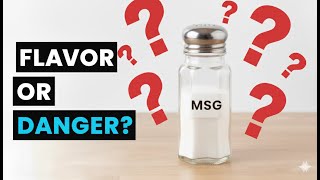
Understanding MSG: Science Behind Its Safety and Benefits
Is MSG really unhealthy or just misunderstood? This video examines the facts about monosodium glutamate, addressing common myths and its role in enhancing flavor. Explore its safety, effects on health, and how it can…
Potenciadores del sabor que encontramos a diario: Glutamato monosódico (E-621). Actúa como excitador de las neuronas de nuestro cerebro, aumentando la respuesta placentera al producto y el riesgo de abusar de ellos. https://t.co/Up9frmLqat
PM