Ali
@bolpenbookhelp · X
How to make the perfect writing playlist!
Oct 4, 2022 · 4 likes · 2 shares · 41 followers
View post →
Mentions
Extended reach
Total likes
Video views
AI synopsis
The overall discussions highlight the stimulating effects of music on brain activity, with mentions of how listening can be an 'aivojumppaa' (brain exercise) and references to creating effective playlists. The tone balances curiosity with appreciation, especially around the study's insights into neural processing of musical elements such as timbre, key, and rhythm, which reinforces the perception of a meaningful scientific impact.
Many discussions acknowledge the validity of the research, especially the connection between musical features and brain activity, though one comment suggests the publication's title may be overstated.
Posts show high interest, emphasizing the music's impact on the brain and its relevance to activities like listening and writing.
Several comments delve into details, such as how music activates specific areas of the brain and practical applications like creating playlists, indicating moderate to active engagement.
Discussions reflect an understanding of the study's significance in understanding brain processing of music and its potential influence on activities like music therapy and cognitive functions.
How to make the perfect writing playlist!
#aivomusiikki osa 4: Adios Nonino (Piazzolla). Tiesitkö, että musiikki on aivojumppaa? Jo musiikin kuuntelu laittaa aivot raksuttamaan, kuten tämä moderni tango on useissa tutkimuksissa osoittanut (mm. https://t.co/kjDfO7KCko @phtoiviainen @eglerean).
RT @nellamois: #aivomusiikki osa 4: Adios Nonino (Piazzolla). Tiesitkö, että musiikki on aivojumppaa? Jo musiikin kuuntelu laittaa aivot ra…
@andrewhuang Ooh I believe I found the source of that claim: https://t.co/YAO6JrH97J The title of this is a bit overstated from the original paper which is "Large-scale brain networks emerge from dynamic processing of musical timbre, key and rhythm"
@hitRECordJoe https://t.co/JG4Nbh0SRW
RT @bolpenbookhelp: How to make the perfect writing playlist!


This animation shows how the cortex is activated during listening to a piece of Argentinian tango. Using fMRI data, the study reveals large-scale brain networks involved in processing musical timbre, key, and rhythm…
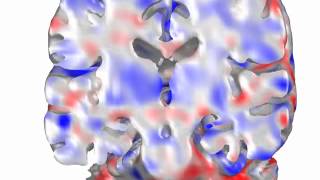
This animation shows how the brain is activated during listening to a piece of Argentinian tango. The study uses fMRI data to explore how different musical features like timbre, key, and rhythm activate specific brain…

This animation demonstrates how the cortex is activated while listening to Argentinian tango, based on fMRI data, musical feature extraction, and statistical modeling. The study reveals large-scale brain networks…

The study used fMRI to explore how the brain processes different musical features like timbre, tone, and rhythm while listening to a complex tango. It shows that these features activate specific brain networks involved…

Prof Dr Friederike Kendel explores how the brain processes musical features like timbre, tone, and rhythm, revealing specific brain network activations and their implications for understanding music, speech, and sound…

This video examines how music activates specific brain networks based on fMRI studies, focusing on musical features like timbre, tone, and rhythm, and their influence on sensory, motor, and emotional brain regions.
RT @nellamois: #aivomusiikki osa 4: Adios Nonino (Piazzolla). Tiesitkö, että musiikki on aivojumppaa? Jo musiikin kuuntelu laittaa aivot ra…
#aivomusiikki osa 4: Adios Nonino (Piazzolla). Tiesitkö, että musiikki on aivojumppaa? Jo musiikin kuuntelu laittaa aivot raksuttamaan, kuten tämä moderni tango on useissa tutkimuksissa osoittanut (mm. https://t.co/kjDfO7KCko @phtoiviainen @eglerean).
RT @bolpenbookhelp: How to make the perfect writing playlist!
RT @bolpenbookhelp: How to make the perfect writing playlist!
How to make the perfect writing playlist!
@andrewhuang Ooh I believe I found the source of that claim: https://t.co/YAO6JrH97J The title of this is a bit overstated from the original paper which is "Large-scale brain networks emerge from dynamic processing of musical timbre, key and rhythm"
@hitRECordJoe https://t.co/JG4Nbh0SRW