 دش
دوچرخه هم سوار شده
@MeOHerian · X
@bluballpoint @kheyzaran https://t.co/VMNfAh8wtE https://t.co/gOFMIUShsm https://t.co/wYLfw9CE4M https://t.co/sjMhLiqvyv
Apr 24, 2025 · 56 followers
View post →
Mentions
Extended reach
Total likes
Video views
AI synopsis
The discussions reflect a general recognition of the study’s importance, with phrases like 'interesting findings' and comments about the potential risks associated with time changes. The tone is cautious and contemplative, highlighting a moderate level of interest and engagement, while examples such as the mention of specific risk groups and the implications for health strategies demonstrate their recognition of the publication's potential impact.
Most discussions acknowledge the significance of the study, with moderate support for the idea that daylight saving time shifts affect heart attack risk.
Participants show some curiosity about the findings, though responses are generally measured and not highly enthusiastic.
Most responses are brief and do not involve detailed analysis or deep discussion, indicating mild engagement.
The discussions imply that the study's findings could influence health policies or personal awareness, but no decisive actions are discussed.
@bluballpoint @kheyzaran https://t.co/VMNfAh8wtE https://t.co/gOFMIUShsm https://t.co/wYLfw9CE4M https://t.co/sjMhLiqvyv
https://t.co/ivdfaaSOq3

This study investigates how daylight saving time shifts, especially the spring transition, might temporarily increase the risk of heart attacks, with a focus on high-risk groups. It also explores whether energy savings…
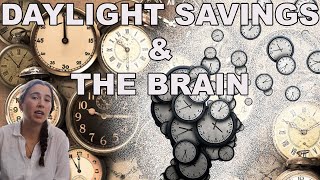
With the time shifting forward an hour this week, this video discusses how daylight saving time changes can affect the brain and circadian rhythms, including impacts on sleep and alertness.
@bluballpoint @kheyzaran https://t.co/VMNfAh8wtE https://t.co/gOFMIUShsm https://t.co/wYLfw9CE4M https://t.co/sjMhLiqvyv
https://t.co/ivdfaaSOq3
 E