The discussions reveal a strong consensus on the importance of native bees as buffers against climate warming's negative effects on crop pollination, with examples such as references to peer-reviewed studies and organizations like USDA. The tone emphasizes urgency and significance, using words like 'crucial,' 'important implications,' and 'must consider,' which reflect high interest and recognition of the impact on food security.
AgreementModerate agreement
Most discussions acknowledge the significance of biodiversity and native bees in mitigating climate change impacts on agriculture, indicating general support for the article's findings.
InterestHigh interest
Posts show high interest, referencing studies, and emphasizing the importance of pollinators for food security, with phrases like 'important implications' and highlighting native bees' buffering role.
EngagementModerate engagement
Several posts cite research studies and mention organizations like USDA, demonstrating a meaningful engagement with the scientific findings.
ImpactHigh impact
The discussions underline the critical importance of protecting native pollinators to sustain food production amid climate change, emphasizing broad ecological and societal impacts.
Abstract in brief
Climate warming is likely to decrease honey bee pollination of watermelon crops significantly (about 14.5%) by 2099 under the worst-case scenario, but native wild bees are expected to compensate by increasing their pollination contributions, leading to a net increase of 4.5%.
Native bees play a crucial role in buffering the negative effects of climate change on crop pollination, highlighting the importance of biodiversity in maintaining ecosystem stability.
The study emphasizes that protecting native wild pollinators is vital for sustaining food production and addressing the broader impacts of climate change on global food security.
If climate change affects pollinators, this will have important implications for #foodsecurity
Follow the article: Native #bees buffer the negative impact of climate warming on honey bee pollination of watermelon crops #GlobalChangeBiology https://t.co/x2da0G6scd https://t.co/0tZXjQH1jh
Nov 6, 2019 · 2 likes · 4 shares · 5,342 followersView post →
LR
Laura Russo
@lrusso08 · X
@randajab @susta1nabeelity @CrowderLabWSU @kelsey_k_graham @msuberrybugs @venturini_eric Also tons of good stuff out of the Winfree, Kremen, and Rader labs:
https://t.co/zDRkIohOzv
https://t.co/t6V90C8b4J
https://t.co/BHGRdTb2dt
(the last one is more student friendly)
Jan 27, 2020 · 1 like · 1,253 followersView post →
FP
Francesco P.
@SpiruSensei · X
@ncdave4life @ChrisBBacon3 @DenisDaly @S_Metzeler @priscian @AndreGrossza @ScienceBlog3 @BenKoby1911 @Data79504085 @InspirallPE @3GHtweets @Anvndarnamn5 @PvtMcAuslan @Climatehope2 @EdwardRiffle @fischerfischy @Willard1951 @Veritatem2021 @AuroriaEn @Michael_D_Crow @JusticeTrudeau @Mark_A_Lunn @judgementalbe1 @AristotleMrs @Coleski14 @wallytoms0 @LesserMegadeath @WernerReinhard5 @S_D_Mannix @ammocrypta @JimBlack48 @glinch72 @Jaisans @stitchnstab @CarrudoDon @LiveLifeBK24 @TheDisproof @Joeyd87745119 @Devonian1342 @Hji45519156 @waxliberty @SuperFoxyLoxy @JaapTitulaer @wjack76995 @Rocky35418823 @NobaconEgbert @balls95652097 @JustThi30117912 @SniemN @NatGeo Agriculture is known to be the most affected by AGW of most fields. From pollinators affected (help with 75% of production to other nutrients/water:
https://t.co/rOVdot66B9
https://t.co/yHzjEx3pSA
https://t.co/ixMH0wOywH
https://t.co/bi
Peer reviewed studies show climate change is one of MANY stresses on honeybees. https://t.co/si0zDunl3B https://t.co/YT50O70aAN https://t.co/dBXvz1tENL https://t.co/AIaavtsXz6 AND this from USDA: https://t.co/gmYXR56Iem https://t.co/Ikf1n0Afeb
@TXBrianDavis242 Here's Bee survey: https://t.co/ClOMZjGUyz Peer reviewed studies show climate change is one of MANY stresses on honeybees. https://t.co/si0zDunl3B https://t.co/YT50O70aAN https://t.co/dBXvz1tENL https://t.co/AIaavtsXz6 AND this from USDA: https://t.co/gmYXR56Iem https://t.co/7pSE7CCHYr
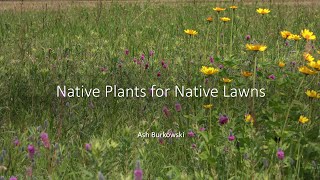
The Friends of the Living Prairie Museum present the 2023 Winter Speaker Series on YouTube. This session highlights native plants for ecofriendly lawns, low-maintenance species, and their role in supporting native…
The Friends of the Living Prairie Museum present an updated Fall 2024 presentation on native plants for native lawns, highlighting low-maintenance species and practical techniques to create ecofriendly, sustainable…
@TXBrianDavis242 Here's Bee survey: https://t.co/ClOMZjGUyz Peer reviewed studies show climate change is one of MANY stresses on honeybees. https://t.co/si0zDunl3B https://t.co/YT50O70aAN https://t.co/dBXvz1tENL https://t.co/AIaavtsXz6 AND this from USDA: https://t.co/gmYXR56Iem https://t.co/7pSE7CCHYr
Peer reviewed studies show climate change is one of MANY stresses on honeybees. https://t.co/si0zDunl3B https://t.co/YT50O70aAN https://t.co/dBXvz1tENL https://t.co/AIaavtsXz6 AND this from USDA: https://t.co/gmYXR56Iem https://t.co/Ikf1n0Afeb
@randajab @susta1nabeelity @CrowderLabWSU @kelsey_k_graham @msuberrybugs @venturini_eric Also tons of good stuff out of the Winfree, Kremen, and Rader labs:
https://t.co/zDRkIohOzv
https://t.co/t6V90C8b4J
https://t.co/BHGRdTb2dt
(the last one is more student friendly)
Jan 27, 2020 · 1 like · 1,253 followersView post →
MC
marcelohr1973@gmail.com
@Marcelohr1973g1 · X
RT @BESNet_UNDP: If climate change affects pollinators, this will have important implications for #foodsecurity
Follow the article: Native…
If climate change affects pollinators, this will have important implications for #foodsecurity
Follow the article: Native #bees buffer the negative impact of climate warming on honey bee pollination of watermelon crops #GlobalChangeBiology https://t.co/x2da0G6scd https://t.co/0tZXjQH1jh
Nov 6, 2019 · 2 likes · 4 shares · 5,342 followersView post →
 BN
 LR
 FP
 B

 MC
 S