Throughout the social discussions, users highlight the promising results of targeted scapular training, noting its potential to reduce neck and shoulder pain, with phrases like 'significant improvements' and 'trend to better shoulder function' reflecting a positive but cautious tone. The use of technical references such as 'muscle activation' and 'rehabilitation' indicates moderate engagement, while participants consider the study’s implications for real-world applications, contributing to an overall moderate impact perception.
AgreementModerate agreement
Most discussions acknowledge the positive findings, emphasizing improvements in shoulder strength and reduced pain as promising outcomes.
InterestModerate interest
Participants show moderate curiosity, with comments expressing interest in the practical benefits and challenges of applying scapular training.
EngagementModerate engagement
Several posts delve into the details of the study methods and implications, indicating a decent level of thoughtful engagement.
ImpactModerate impact
The discussions suggest the research could influence clinical approaches, though some are cautious about its immediate practical significance.
Abstract in brief
This study investigated whether targeted scapular function training (focusing on the lower trapezius and serratus anterior muscles) can effectively reduce chronic neck and shoulder pain in office workers, showing promising results after 10 weeks.
Participants who received the training showed a 20% reduction in pain intensity and increased shoulder strength, particularly in shoulder elevation, compared to a control group.
The research suggests that focusing on strengthening specific scapular muscles, while avoiding direct training of the painful areas, may be an effective way to decrease pain and improve shoulder function in people with chronic neck-shoulder discomfort.
This study investigates whether targeted scapular function training can reduce chronic neck and shoulder pain, showing a 20% pain reduction and increased shoulder strength after 10 weeks, suggesting a promising…
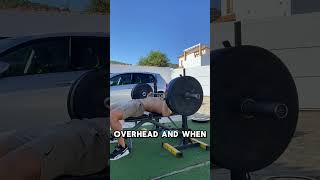
This video explores the importance of scapula mobility and muscle involvement in shoulder function. It highlights how targeted scapular training focusing on specific muscles can reduce chronic neck and shoulder pain…
Mueller Et Al 2023 Resistance Motor Control and Mindfulness ...
News
https://doi.org/10.1007/s10926-013-9441-1 org/10.2519/jospt.2016.5979 exercise with and without spinal manipulation 8. Ardern CL, Büttner F, Andrade R, et ...
 の