Wild World
@TheWildWorldYT · X
The sequel to the Brown Bear video: https://t.co/7YkhBVa2gf
Mar 30, 2025 · 7 likes · 2 shares · 114 followers
View post →
Mentions
Extended reach
Total likes
Video views
AI synopsis
The discussions include mentions of how some polar bear populations adapt differently, emphasizing phrases like 'resilience' and 'habitat variability,' which reflect recognition of the research's significance. The tone is neutral to mildly interested, with some simple references to environmental conditions like prey availability and sea ice loss, but little deep engagement or debate about broader implications.
Many posts seem to agree that the research highlights important differences in polar bear resilience, supporting the findings about varying responses to habitat loss.
Discussions show moderate interest, with some posts expressing curiosity about the ecological implications but limited deep dives into methodology.
Posts mostly acknowledge the publication with brief comments, indicating a moderate level of engagement rather than detailed analysis.
Overall, the social discussions suggest awareness but not immediate concern or calls to action, reflecting a neutral impact.
The sequel to the Brown Bear video: https://t.co/7YkhBVa2gf
RT @TheWildWorldYT: The sequel to the Brown Bear video: https://t.co/7YkhBVa2gf
RT @TheWildWorldYT: The sequel to the Brown Bear video: https://t.co/7YkhBVa2gf
Variation in the response of an Arctic top predator experiencing habitat loss: feeding and reproductive ecology of two polar bear populations https://t.co/51VD61vdYj

Polar bears Ursus maritimus are often considered the largest bears, but how do they truly compare to Kodiak bears? This video examines their actual size and records, exploring whether reports exaggerate or if these…
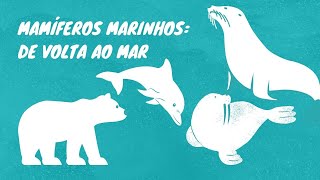
This video explores the independent return of mammals to the sea across various taxa, highlighting adaptations that enable exploration of aquatic environments. The content has been reviewed by Professor Luclia Souza…
RT @TheWildWorldYT: The sequel to the Brown Bear video: https://t.co/7YkhBVa2gf
RT @TheWildWorldYT: The sequel to the Brown Bear video: https://t.co/7YkhBVa2gf
The sequel to the Brown Bear video: https://t.co/7YkhBVa2gf
Variation in the response of an Arctic top predator experiencing habitat loss: feeding and reproductive ecology of two polar bear populations https://t.co/51VD61vdYj
 A