The discussions express a cautious interest in the study, with some noting that symptoms may be related to carbohydrates rather than gluten, indicated by phrases like 'likely the carbohydrates' and references to lactose intolerance. While some posts question the clarity of the research, others show engagement by analyzing the study's findings, such as the mention that '92% of people with self-reported NCGS didn't provably have it,' illustrating an active effort to interpret and challenge scientific results.
AgreementNeither agree nor disagree
The discussion reflects mixed opinions, recognizing the complexity and uncertainty about gluten's role, with some acknowledging the possibility it might not be the actual cause of symptoms.
InterestModerate interest
Participants show curiosity by exploring the debate surrounding gluten and gastrointestinal symptoms and referencing recent studies.
EngagementModerate engagement
Comments contribute to the discussion by analyzing research figures and proposing alternative explanations, indicating moderate depth in engagement.
ImpactModerate impact
The conversations highlight that the research influences ongoing conversations about dietary impacts and medical understanding, though without full consensus.
Abstract in brief
The avoidance of wheat and gluten is common worldwide, but while celiac disease is well-understood, the role of gluten in causing symptoms in people without celiac disease (called nonceliac gluten sensitivity or NCGS) remains uncertain due to limited evidence.
The complexity of wheat, which contains both carbohydrate and protein components, makes it difficult to pinpoint gluten as the direct cause of symptoms, and response to a gluten-free diet doesn't necessarily prove gluten is the trigger.
Recent studies suggest gluten might worsen symptoms for some, but they haven't confirmed that gluten is the specific cause in people who believe they have NCGS, and the biological mechanisms behind gluten-triggered symptoms are still unclear.]
This might be one cause why people WITHOUT coeliac disease "claim" to improve when they quit gluten food.
It's not the gluten (proteins), but likely the carbohydrates that make them sick (somewhat similar to lactose intolerance)
Interesting read:
https://t.co/k7a54tXT1r https://t.co/cYVp5RxQg9
@robstarobin Yeah, this one: https://t.co/tIPfGhUTlt
It's not clear from the abstract, which is probably all anyone's ever read, but the study actually found that 92% of people with self-reported NCGS didn't provably have it. But crucially it found that 8% *did*.
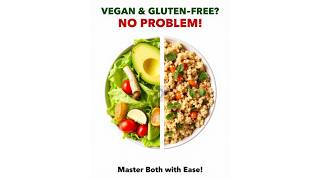
Discover how to enjoy varied and delicious vegan and gluten-free foods without sacrificing health or enjoyment. Learn about top gluten-free, vegan ingredients, and essential tips for balanced nutrition to support a…
Discover how vegans and those with gluten intolerance can enjoy a healthy, varied, and delicious diet. Learn about the best gluten-free and vegan foods, valuable nutrition tips, and easy-to-prepare tasty dishes that…
This might be one cause why people WITHOUT coeliac disease "claim" to improve when they quit gluten food.
It's not the gluten (proteins), but likely the carbohydrates that make them sick (somewhat similar to lactose intolerance)
Interesting read:
https://t.co/k7a54tXT1r https://t.co/cYVp5RxQg9
@robstarobin Yeah, this one: https://t.co/tIPfGhUTlt
It's not clear from the abstract, which is probably all anyone's ever read, but the study actually found that 92% of people with self-reported NCGS didn't provably have it. But crucially it found that 8% *did*.
 A
 NS