April 2014 PMID 24064931

Repeated targeting of the same hosts by a brood parasite compromises host egg rejection.

Martin Stevens, Jolyon Troscianko, Claire N Spottiswoode

Mentions

27
Peak: 3 in Sep 2022
across 5 sources since Sep 2022

Extended reach

5,914,683
potential audience

Total likes

164,096

Video views

5,914,683

Mentions per month

Sep 2022

All 3 dated mentions so far are from Sep 2022.

Where it's discussed

  • News15 articles
  • Blogs6 articles
  • Facebook3 posts
  • YouTube2 videos
  • Bluesky1 posts

AI synopsis

What people are saying

We're still gathering social media discussions on this article. A synopsis appears once there are enough posts to summarize.

AgreementNeither agree nor disagree
InterestNeutral interest
EngagementNeutral engagement
ImpactNeutral impact

Abstract in brief

  • Repeated parasitism by the same cuckoo finch makes it harder for host birds to reject foreign eggs, as hosts become less likely to do so when exposed to multiple foreign eggs.
  • Hosts typically reject eggs that differ from their internal mental template, but as more foreign eggs are introduced, hosts require them to look more different to reject them.
  • This strategy of repeated parasitism likely helps cuckoo finches improve their chances of success by exploiting the hosts' cognitive and sensory limitations in recognizing and rejecting foreign eggs.]

Top posts

Most liked on X and Bluesky
ivacheung.com
@ivacheung.com · Bluesky

https://www.youtube.com/watch?v=9TZQDA2yabg

Sep 8, 2022 View post →

All mentions

Mimicry Strategies of Brood Parasite Finches Explained

Brood parasites like Vidua finches use mimicry to deceive host birds into raising their offspring. This study highlights how these finches mimic both visual and auditory traits of their grassfinch hosts, showcasing the…
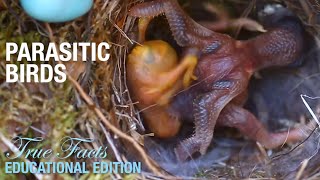
Ze Frank · Sep 8, 2022 4,970,766 views
ivacheung.com
@ivacheung.com · Bluesky

https://www.youtube.com/watch?v=9TZQDA2yabg

Sep 8, 2022 View post →