Kenji Fukushima (福島 健児)
@kfuku0502 · X
魚類で胃腺を失っている系統がいくつもあるらしく、胃酸分泌用のプロトンポンプと消化酵素前駆体のペプシノーゲンをコードする遺伝子が収斂的に失われる傾向にあるらしい。2014年の論文。 https://t.co/buRVMALcZK
Aug 3, 2023 · 37 likes · 12 shares · 3,187 followers
View post →
Mentions
Extended reach
Total likes
Video views
AI synopsis
The discussions feature a mix of curiosity and skepticism, with examples like the mention of animals that 'don't have a stomach but are doing fine,' highlighting the novelty and surprising nature of the findings. The tone varies from casual commentary to references to scientific concepts, showing some engagement but limited perception of immediate or broad impact.
Most discussions reflect skepticism or neutral views about the significance of stomach loss, with some implying that the phenomenon challenges traditional views, but not outright contesting the research.
Posts show moderate curiosity, especially with references to animals without stomachs and mentioning recent discoveries or media content related to the research.
Some users cite specific studies or facts, like the loss of gastric genes, indicating a basic level of deeper engagement.
While the discussions raise thought-provoking points about animal evolution, they do not suggest this research has a dramatic influence on broader scientific or societal issues.
魚類で胃腺を失っている系統がいくつもあるらしく、胃酸分泌用のプロトンポンプと消化酵素前駆体のペプシノーゲンをコードする遺伝子が収斂的に失われる傾向にあるらしい。2014年の論文。 https://t.co/buRVMALcZK
Some animals just don't have a stomach, but they're doing fine without one. https://t.co/aOiGKGRpoW https://t.co/73EIv8K5Y3
Come watch the tangents premiere on stomachs! youtu.be/ATO5FdqnA1g?...
RT @kfuku0502: 魚類で胃腺を失っている系統がいくつもあるらしく、胃酸分泌用のプロトンポンプと消化酵素前駆体のペプシノーゲンをコードする遺伝子が収斂的に失われる傾向にあるらしい。2014年の論文。 https://t.co/buRVMALcZK
RT @kfuku0502: 魚類で胃腺を失っている系統がいくつもあるらしく、胃酸分泌用のプロトンポンプと消化酵素前駆体のペプシノーゲンをコードする遺伝子が収斂的に失われる傾向にあるらしい。2014年の論文。 https://t.co/buRVMALcZK
RT @kfuku0502: 魚類で胃腺を失っている系統がいくつもあるらしく、胃酸分泌用のプロトンポンプと消化酵素前駆体のペプシノーゲンをコードする遺伝子が収斂的に失われる傾向にあるらしい。2014年の論文。 https://t.co/buRVMALcZK
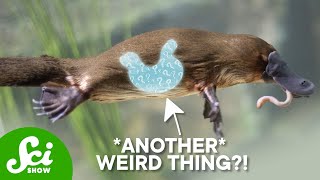
Explore why creatures like platypuses, pufferfish, and seahorses have evolved without functioning stomachs and how they survive without this organ, revealing fascinating insights into vertebrate evolution.

This video explores the diversity of stomach presence among creatures and investigates how the loss of key gastric genes correlates with the absence of a stomach in gnathostomes. It highlights the genetic factors and…
Come watch the tangents premiere on stomachs! youtu.be/ATO5FdqnA1g?...
https://t.co/RTT2YVxD1G
RT @kfuku0502: 魚類で胃腺を失っている系統がいくつもあるらしく、胃酸分泌用のプロトンポンプと消化酵素前駆体のペプシノーゲンをコードする遺伝子が収斂的に失われる傾向にあるらしい。2014年の論文。 https://t.co/buRVMALcZK
RT @kfuku0502: 魚類で胃腺を失っている系統がいくつもあるらしく、胃酸分泌用のプロトンポンプと消化酵素前駆体のペプシノーゲンをコードする遺伝子が収斂的に失われる傾向にあるらしい。2014年の論文。 https://t.co/buRVMALcZK
RT @kfuku0502: 魚類で胃腺を失っている系統がいくつもあるらしく、胃酸分泌用のプロトンポンプと消化酵素前駆体のペプシノーゲンをコードする遺伝子が収斂的に失われる傾向にあるらしい。2014年の論文。 https://t.co/buRVMALcZK
RT @kfuku0502: 魚類で胃腺を失っている系統がいくつもあるらしく、胃酸分泌用のプロトンポンプと消化酵素前駆体のペプシノーゲンをコードする遺伝子が収斂的に失われる傾向にあるらしい。2014年の論文。 https://t.co/buRVMALcZK
RT @kfuku0502: 魚類で胃腺を失っている系統がいくつもあるらしく、胃酸分泌用のプロトンポンプと消化酵素前駆体のペプシノーゲンをコードする遺伝子が収斂的に失われる傾向にあるらしい。2014年の論文。 https://t.co/buRVMALcZK
RT @kfuku0502: 魚類で胃腺を失っている系統がいくつもあるらしく、胃酸分泌用のプロトンポンプと消化酵素前駆体のペプシノーゲンをコードする遺伝子が収斂的に失われる傾向にあるらしい。2014年の論文。 https://t.co/buRVMALcZK
RT @kfuku0502: 魚類で胃腺を失っている系統がいくつもあるらしく、胃酸分泌用のプロトンポンプと消化酵素前駆体のペプシノーゲンをコードする遺伝子が収斂的に失われる傾向にあるらしい。2014年の論文。 https://t.co/buRVMALcZK
RT @kfuku0502: 魚類で胃腺を失っている系統がいくつもあるらしく、胃酸分泌用のプロトンポンプと消化酵素前駆体のペプシノーゲンをコードする遺伝子が収斂的に失われる傾向にあるらしい。2014年の論文。 https://t.co/buRVMALcZK
RT @kfuku0502: 魚類で胃腺を失っている系統がいくつもあるらしく、胃酸分泌用のプロトンポンプと消化酵素前駆体のペプシノーゲンをコードする遺伝子が収斂的に失われる傾向にあるらしい。2014年の論文。 https://t.co/buRVMALcZK
RT @kfuku0502: 魚類で胃腺を失っている系統がいくつもあるらしく、胃酸分泌用のプロトンポンプと消化酵素前駆体のペプシノーゲンをコードする遺伝子が収斂的に失われる傾向にあるらしい。2014年の論文。 https://t.co/buRVMALcZK
魚類で胃腺を失っている系統がいくつもあるらしく、胃酸分泌用のプロトンポンプと消化酵素前駆体のペプシノーゲンをコードする遺伝子が収斂的に失われる傾向にあるらしい。2014年の論文。 https://t.co/buRVMALcZK
https://t.co/W2zUwh7bls
https://t.co/NdwRxGaFAO
RT @SciShow: Some animals just don't have a stomach, but they're doing fine without one. https://t.co/aOiGKGRpoW https://t.co/73EIv8K5Y3
These Animals Lost Their Stomachs. Why? https://t.co/FRr38Dywxq via @YouTube
Crowder's losing it https://t.co/c4DppTnSlw
Some animals just don't have a stomach, but they're doing fine without one. https://t.co/aOiGKGRpoW https://t.co/73EIv8K5Y3