The discussions demonstrate a strong focus on the counterintuitive results that media exposure can cause more stress than direct experience, with words like 'eye-opening' and phrases such as 'media’s role in broadcasting acute stress' emphasizing recognition of media's psychological influence. Conversation tones range from curiosity to concern, underscoring the perceived importance of understanding how media shapes emotional responses after traumatic events.
AgreementModerate agreement
Most discussions concur with the study’s findings that extensive media exposure can heighten stress, reflecting a general agreement with the article's conclusions.
InterestHigh interest
Participants show high interest, with many sharing detailed reactions and referencing specific aspects of the research, such as the counterintuitive stress levels linked to media consumption.
EngagementModerate engagement
The conversations indicate moderate engagement, with several users referencing the study, quoting findings, or questioning the psychological mechanisms involved.
ImpactModerate impact
While some discussions highlight the significance of the findings in understanding media effects on collective trauma, there is less evidence of profound influence on broader public discourse yet.
Abstract in brief
The study compared how media exposure and direct experience affected acute stress after the Boston Marathon bombings, finding that extensive media exposure (more than six hours a day) was linked to higher stress levels than direct exposure.
Even after accounting for previous mental health and media habits, those who watched more bombing-related media showed more stress, and past exposure to similar traumatic events increased vulnerability.
The findings suggest that mass media can amplify the negative emotional impact of collective trauma, spreading stress beyond the directly affected communities.
Nov 27, 2023 · 110 likes · 44 shares · 55,877 followersView post →
SM
Steve Magness
@stevemagness · X
@TStellingwerff Of course. Here you go: https://t.co/8x04PXPKZE
Mar 4, 2022 · 7 likes · 124,916 followersView post →
SM
Steve Magness
@stevemagness · X
For those interested in learning more, here's the study on news consumption and the Boston Marathon bombing.
https://t.co/8x04PXPKZE
Mar 4, 2022 · 5 likes · 1 share · 124,916 followersView post →
DT
Dean Burnett (@garwboy everywhere else too)
@garwboy · X
This may seem wildly counterintuitive; how can being caught up in, say, a terrorist incident, actually be *less* traumatic than reading news and tweets *about* the event, from hundreds, thousands of miles away?
An yet, that is apparently the case
https://t.co/1YlJEVxw8a
/2
Jan 13, 2023 · 3 likes · 38,628 followersView post →
AA
Angel Azrael
@SteviePoker · X
@MazeLove14 "Adjusting for prebombing mental health, and prior collective stress exposure, six or more daily hours of bombing-related media exposure in the week after the bombings was associated with higher acute stress than direct exposure to the bombings."
https://t.co/ssWL3g3fRQ
Aug 24, 2024 · 1 like · 2,066 followersView post →
BS
Boris Svetiev
@svetiev · X
@nalutilus Исто, фатив книги да читам за да не читам сѐ тоа по порталите за да се вратам во некаква нормала.
https://t.co/CgBTlUaWMW
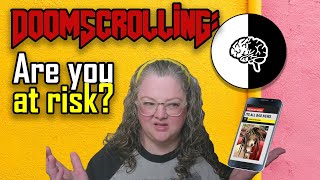
We all want to stay informed but could be harming our mental health. This video explores doomscrolling, reviewing research on how extensive media exposure during crises like COVID-19 and traumatic events can increase…
Men over sixty experience faster testosterone decline due to common routines. These habits can impact energy, strength, and vitality, quietly sabotaging health every day. Addressing these factors may help maintain…
Every morning millions of people over sixty unknowingly repeat small habits that make their bodies age years faster than they should. Researchers at Stanford's Longevity Center found that changing a few routines can…
Such an interesting study.
>> People who consumed lots of media in the week after the Boston Marathon bombings experienced higher acute stress than people with **direct exposure** to the bombings
pubmed.ncbi.nlm.nih.gov/24324161/
Stop checking the news
Eye-opening study: People who watched 6 hours of Boston Marathon attack coverage were more stressed at a later marathon than those who actually ran the bombed Boston Marathon at the same later marathon.
Source https://t.co/1DfqPcUh0g
@MazeLove14 "Adjusting for prebombing mental health, and prior collective stress exposure, six or more daily hours of bombing-related media exposure in the week after the bombings was associated with higher acute stress than direct exposure to the bombings."
https://t.co/ssWL3g3fRQ
Aug 24, 2024 · 1 like · 2,066 followersView post →
Nov 27, 2023 · 110 likes · 44 shares · 55,877 followersView post →
DT
Dean Burnett (@garwboy everywhere else too)
@garwboy · X
This may seem wildly counterintuitive; how can being caught up in, say, a terrorist incident, actually be *less* traumatic than reading news and tweets *about* the event, from hundreds, thousands of miles away?
An yet, that is apparently the case
https://t.co/1YlJEVxw8a
/2
Jan 13, 2023 · 3 likes · 38,628 followersView post →
E
Ephemeral
@Ephemerallama · X
@gerdosi @FrenFrensson This one fascinated me most, media exposure MORE stressful than actually being at boston marathon bombing
@TStellingwerff Of course. Here you go: https://t.co/8x04PXPKZE
Mar 4, 2022 · 7 likes · 124,916 followersView post →
GP
Gabby Pieraccini
@smokymozzarella · X
RT @stevemagness: For those interested in learning more, here's the study on news consumption and the Boston Marathon bombing.
https://t.co…
Mar 4, 2022 · 1 share · 2,593 followersView post →
SM
Steve Magness
@stevemagness · X
For those interested in learning more, here's the study on news consumption and the Boston Marathon bombing.
https://t.co/8x04PXPKZE
Mar 4, 2022 · 5 likes · 1 share · 124,916 followersView post →
ID
info4disasters ™
@info4disasters · X
Top story: Media’s role in broadcasting acute stress following the Boston Marathon bombings | PNAS https://t.co/nynBBNsVlW, see more https://t.co/fsPREZhJAY
Compassion Fatigue and Global Compassion Fatigue I | PDF
News
https://doi.org/10.1073/pnas.1316265110. indicated otherwise in a credit line to the material. If material is not. Hooper, C., Craig, J. C., Janvrin, D. R. ...
Communicating Risk and Safety | PDF | Risk | Communication
News
93–98. https://doi.org/10.1073/pnas.1316265110. Houston, J. B., M. L. Spialek, J. Cox, M. M. Greenwood & J. First. 2015. The centrality of communication and
Dissertation Psychology | PDF | Psychological Trauma | Mental ...
News
PNAS, 111, 93–98. https://doi.org/10.1073/pnas.1316265110. 17. Holman, E. A., Garfin, D. R., Lubens, P., & Silver, R. C. (in press). Media exposure to ...
Youth Mental Health | PDF | Mental Disorder | Mental Health
News
doi.org/10.1073/pnas.1316265110 doi.org/10.1001/jamapediatrics.2021.4334. 173. Johnston, W. M., & Davey, G. C. (1997). The 184. New Public. (2021 January 11) ...
War Psychiatry Identifying and Managing | PDF | Mental Disorder ...
News
doi:10.1073/ F71081FF391653DC1256C69003170E9-unicef-WomenWar- pnas.1316265110. Peace.pdf 43. Boers E, Afzali MH, Conrod P. Temporal associations of ...
Twarita Malgaonkar and Kashish Arora | PDF | Statistics | Sampling ...
News
https://doi.org/10.1073/pnas.1316265110. Kartol, A., Üztemur, S., & Yaşar, P. (2023). 'I cannot see ahead': psychological distress, doomscrolling and dark
 CK
 SM
 DT
 AA
 BS


 TP
 B
 R
 KF
 A
 JS
 MC
 CL
 RS
 J
 G
 LI
 C
 B
 LP
 JB
 SD
 MR
 JA
 GT
 M
 M
 MV
 J
 SR
 R
 JC
 DR
 S
 MT
 CR
 SW
 MM
 M
 SD
 MS
 LP
 NE
 RC
 MT
 KE
 A
 E
 GP
 ID
 C
 WJ