Sous Nos Pieds
@Sous_Nos_Pieds · X
Aug 31, 2021 · 15 likes · 8 shares · 1,712 followers
View post →
Mentions
Extended reach
Total likes
Video views
AI synopsis
The discussions largely revolve around geological formations like limestone towers and caves, with references to their formation processes and landscapes, such as mentions of the Bay of Halong and scenery sculpted by nature. The language is descriptive and informative, but it orients away from the scientific details and implications of the marine reptile discovery, reflecting low engagement and interest in the publication's content.
The responses focus more on related natural formations and landscapes rather than directly engaging with the scientific findings of the publication, showing little agreement or disagreement.
The discussions demonstrate minimal interest in the marine reptile research, instead emphasizing the geological aspects of limestone formations.
Most posts are superficial, sharing links or statements about landscapes without deep analysis or discussion about the reptile's significance.
The overall influence of these discussions on understanding the article's scientific impact is minimal, as they divert to unrelated natural features.
Vous connaissez tous le décor de La Baie d'Halong, mais savez-vous comment il s'est formé ? https://t.co/E161kdRn6T
Le mystère des tours de calcaire - Sous Nos Pieds #12 https://t.co/vBvHdxyZS5 par @Sous_Nos_Pieds
Et si vous voulez savoir comment ces paysages se sont formés, ceux que la nature a sculpté dans le calcaire, et bien ça tombe bien c'est tout le sujet de cette vidéo ⬇️ https://t.co/HXRr5kNMtL
Le mystère des tours de calcaire – Sous Nos Pieds #12 par Sous Nos Pieds #PartageCDS https://t.co/ePEVTP71Zj
[CaféDesSciences] Le mystère des tours de calcaire – Sous Nos Pieds #12 https://t.co/bqcFcV4FdD via @cafe_sciences
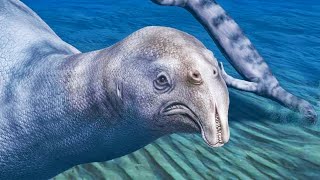
The Triassic Period was marked by diverse and bizarre creatures, including the intriguing marine reptile Hupehsuchus. This video delves into the evolutionary traits that enabled it to effectively filter feed, showcasing…

This video explores the origins of limestone formations and their hidden creatures. It delves into the geological processes from 300 million years ago, highlighting the evolution of herbivorous marine reptiles like…
Le mystère des tours de calcaire https://t.co/rWIAej6ehD via @YouTube
Et si vous voulez savoir comment ces paysages se sont formés, ceux que la nature a sculpté dans le calcaire, et bien ça tombe bien c'est tout le sujet de cette vidéo ⬇️ https://t.co/HXRr5kNMtL
[CaféDesSciences] Le mystère des tours de calcaire – Sous Nos Pieds #12 https://t.co/bqcFcV4FdD via @cafe_sciences
Le mystère des tours de calcaire – Sous Nos Pieds #12 https://t.co/y8jzKF1Fb7 (Café Des Sciences)
Le mystère des tours de calcaire – Sous Nos Pieds #12 par Sous Nos Pieds #PartageCDS https://t.co/ePEVTP71Zj
Le mystère des tours de calcaire - Sous Nos Pieds #12
RT @SimplexPaleo: Vous connaissez tous le décor de La Baie d'Halong, mais savez-vous comment il s'est formé ? https://t.co/E161kdRn6T
Vous connaissez tous le décor de La Baie d'Halong, mais savez-vous comment il s'est formé ? https://t.co/E161kdRn6T
RT @Sous_Nos_Pieds:
RT @Sous_Nos_Pieds:
Le mystère des tours de calcaire - Sous Nos Pieds #12 https://t.co/vBvHdxyZS5 par @Sous_Nos_Pieds