Diana Dee Jarvis
@DianaDeeJarvis · X
5 Foods That Will Help You Sleep Better Tonight https://t.co/YrnvBwYLSm via @YouTube
Oct 6, 2021 · 398 followers
View post →
Mentions
Extended reach
Total likes
Video views
AI synopsis
The overall tone reflects mild curiosity about the potential link between omega-3s and sleep, supported by phrases like 'might omega 3 improve sleep?' and references to sleep-related food tips, which suggest a general interest rather than strong opinions or in-depth analysis.
The discussions seem neutral, with some posts questioning or pondering the study's implications without clear support or opposition.
There is a moderate level of curiosity about how omega-3 fatty acids may influence sleep, indicated by posts raising questions or mentioning health benefits.
Most posts are brief and lack deep analysis; they mostly reference or share content related to sleep and nutrition rather than engaging in detailed critique.
The discussions do not appear to significantly influence public perceptions or clinical practices, mainly sharing brief comments or linking to general sleep tips.
5 Foods That Will Help You Sleep Better Tonight https://t.co/YrnvBwYLSm via @YouTube
5 Foods That Will Help You Sleep Better Tonight https://t.co/YrnvBxgngW via @YouTube
Might omega 3 fatty acids improve sleep quality in children? A
for the jet-lagged... https://t.co/vNbRk31A3D

The study indicates that higher blood DHA levels are weakly linked to fewer sleep problems in children. A 16-week DHA supplement showed potential in reducing night awakenings and increasing sleep duration in some cases…

Higher blood levels of DHA, an omega-3 fatty acid, are weakly associated with fewer sleep problems in children. A 16-week DHA supplement showed limited subjective sleep improvement, but minor benefits in objective sleep…
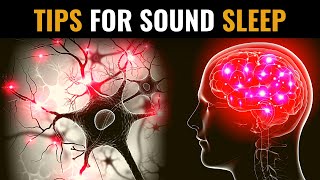
This video explores evidence-based methods to enhance sleep quality, including aerobic exercise and behavioral therapy. The study on DHA fatty acids suggests potential benefits in reducing sleep disruptions in children…
Might omega 3 fatty acids improve sleep quality in children? A
5 Foods That Will Help You Sleep Better Tonight https://t.co/YrnvBxgngW via @YouTube
for the jet-lagged... https://t.co/vNbRk31A3D
5 Foods That Will Help You Sleep Better Tonight https://t.co/YrnvBwYLSm via @YouTube
 ER