Dr. Lauren Diepenbrock
@LMDiepenbrock · X
@dara_stockton @ento_steve (stung) Seriously though, their venom is amazing! You DO NOT want to be stung by these ladies
Jun 28, 2020 · 2 likes · 5,546 followers
View post →
Mentions
Extended reach
Total likes
Video views
AI synopsis
The discussion mainly centers around the impressive venom of Hymenoptera, exemplified by phrases like 'their venom is amazing' and warnings about being stung, which demonstrate curiosity and admiration. The tone is casual and focused on the defense mechanisms, indicating a mild interest and recognition of their evolutionary adaptations without deep engagement or debate.
The discussion shows some appreciation for the subject, but no strong consensus or disagreement emerges.
The discussion indicates moderate curiosity, particularly around the bees' venom as a fascinating trait.
Responses reflect a brief acknowledgement rather than deep or sustained discussion.
The conversation highlights recognition of the biological significance of insect defenses, but without extensive exploration.
@dara_stockton @ento_steve (stung) Seriously though, their venom is amazing! You DO NOT want to be stung by these ladies

The most venomous insect in the world is an ant, specifically a Harvester Ant Pogonomyrmex Maricopa. I tested the painfulness of their stings, which are significant among insect defenses. This video offers insights into…
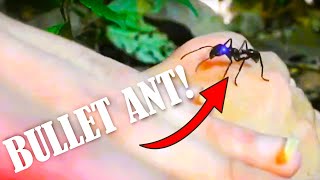
This video explores whether bullet ants are dangerous or aggressive, as the host picks one up to assess their behavior. It discusses the reputation of these insects for their painful sting and examines whether their…

Stings from wasps, ants, and bees are exclusive to the venomous group Aculeata, used for defense and venom delivery. Despite some wasps having dual-purpose ovipositors, true stings are highly effective for pain and…
@dara_stockton @ento_steve (stung) Seriously though, their venom is amazing! You DO NOT want to be stung by these ladies