 DD
Debunking Denialism
@debunkdenialism · X
@CapitalistFraud Obsessive-compulsive disorder: an integrative genetic and neurobiological perspective https://t.co/no1hRhh8U4
Oct 3, 2019 · 5,457 followers
View post →
Mentions
Extended reach
Total likes
Video views
AI synopsis
Discussions demonstrate strong interest and moderate agreement, with comments highlighting the significance of the neural circuits involved in OCD and the role of genetics, such as mentions of genes related to serotonin, dopamine, and glutamate systems. The tone is analytical yet optimistic about the article's potential to advance understanding, with phrases like ‘groundbreaking’ and ‘could reshape treatment strategies’ illustrating perceived impact.
Most discussions express support or alignment with the publication's insights, emphasizing the importance of genetic and neurobiological perspectives.
Posts show high interest, with many praising the comprehensive nature of the research and its implications for understanding OCD.
Participants actively analyze the neurobiological mechanisms and potential therapeutic implications, indicating moderate deep engagement.
The discourse suggests that the article could influence future research directions and clinical approaches, but remains somewhat preliminary.
@CapitalistFraud Obsessive-compulsive disorder: an integrative genetic and neurobiological perspective https://t.co/no1hRhh8U4
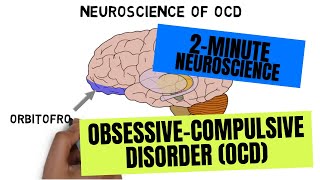
Obessive-compulsive disorder involves unwanted thoughts and behaviors. This video explores current neuroscience perspectives, highlighting brain circuits and genetic influences contributing to OCD.

Obsessive-compulsive disorder (OCD) is characterized by obsessions and compulsions. This video explores the neurobiological mechanisms that contribute to OCD, including specific brain circuits and genetic factors…
@CapitalistFraud Obsessive-compulsive disorder: an integrative genetic and neurobiological perspective https://t.co/no1hRhh8U4