 M
Mithridatist
@mithridatistcap · X
@levelsio @JerrelZwartbol Some sources: - https://t.co/jIcVtdofVu - https://t.co/4YfjGoJgOW - https://t.co/9Gcy02yKKS - https://t.co/9p6sMJu9uk
Apr 23, 2023 · 4 likes · 882 followers
View post →
Mentions
Extended reach
Total likes
Video views
AI synopsis
Overall, the discussions reveal a keen interest in the environmental burdens of livestock, with several posts citing specific facts from the article, such as the land requirements for beef versus plant-based foods, and debating the broader implications. The tone ranges from supportive acknowledgment to critical analysis, indicating active engagement and recognition of the potential impact on environmental practices.
Most discussions acknowledge the environmental impacts of meat and dairy production, with some referencing the data and conclusions of the publication.
Participants show high curiosity, debating nuances such as land use and comparisons between different meat types, indicating keen engagement.
Posts involve citing specific statistics, questioning implications, and sharing related studies, reflecting moderate but meaningful interaction.
Discussions highlight environmental concerns, emphasizing the importance of reducing meat consumption for sustainability, suggesting moderate perceived influence.
@levelsio @JerrelZwartbol Some sources: - https://t.co/jIcVtdofVu - https://t.co/4YfjGoJgOW - https://t.co/9Gcy02yKKS - https://t.co/9p6sMJu9uk
American eggs have a better carbon footprint than rice. https://t.co/zrk7PIq8Fx… #climatechange #eatlessforearth #globalwarming #handsoffmymeat #ClimateActionNow #eggs #earth https://t.co/qhRykWU2rb
Poultry, eggs, & dairy are efficient, with a similar protein/feed input as staple plant crops wheat, rice, & potatoes https://t.co/4dM3O3sQmt #climatechange #eatlessforearth #handsoffmymeat #eggs #ClimateScam #Dairy
@ClareyOx Actually the paper says "60% of broiler feed composed of cereals such as maize, wheat & barley". Most of the soy from S America is used for cattle & beef is still the biggest environmental disaster (DOI:10.1073/pnas.1402183111). Either way #noneisbetterthanless if you are serious https://t.co/mtW9njJYE1
@MissDistAlgo @labronic_mike @fgavazzoni Mado’ il casino che hai in testa! Povero, come fai a funzionare? Allora: la carne *è* per benestanti. Il mangime si coltiva — fai attenzione — *sottraendo* campi alla produzione commestibile. Allevare vacche particolarmente https://t.co/8AtO12jY4X
@MatthewParrott @AmanitaFugax but…it is equivalent. corpse diets need 18x more land than vegan diets. https://t.co/X919Hn4eMj

This video explores the concept of quantum entanglement, a fundamental phenomenon in quantum mechanics. Dive into how entangled particles influence each other regardless of distance, impacting various fields, including…
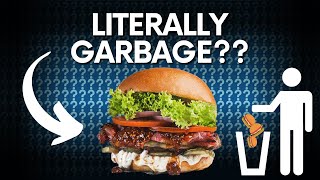
This video explores whether eating animals is more or less efficient than eating plants, examining issues like land, water, and greenhouse gas emissions. It emphasizes how beef production consumes significantly more…
@mbolotnikova https://t.co/hAfIIzHjEo
@MatthewParrott @AmanitaFugax but…it is equivalent. corpse diets need 18x more land than vegan diets. https://t.co/X919Hn4eMj
@MikeVonn2 @dennymishler @cuntpunt354k @herbivore_club Well, you can read the referenced article for how they got this data. https://t.co/Y5lvNQacsx
@LeafRief @anneristamende Schöne Ausrede, bei dieser Thematik besteht ein Konsens und alle Wissenschaftler sind sich bezüglich des Flächenverbrauchs bei tierischer/vegetarischer/veganer Ernährungsweise einig. https://t.co/0CuGMMqIjI https://t.co/GDm9TTrzRs
@TomsWorld01 @MaureenStroud @TheDisproof @FatEmperor While grazing cows (that DON'T graze on deforested lands!) can support biodiversity and soil health, it's still an inefficient way to produce calories & protein. And if everyone wants grass-fed beef, we'll run out of land. - https://t.co/fS6oF29jJS - https://t.co/PVFhDaAupq https://t.co/HNiLPHmb0D
RT @HandsOffMyMeat: American eggs have a better carbon footprint than rice. https://t.co/zrk7PIq8Fx… #climatechange #eatlessforearth #glob…
RT @HandsOffMyMeat: Poultry, eggs, & dairy are efficient, with a similar protein/feed input as staple plant crops wheat, rice, & potatoes h…
Poultry, eggs, & dairy are efficient, with a similar protein/feed input as staple plant crops wheat, rice, & potatoes https://t.co/4dM3O3sQmt #climatechange #eatlessforearth #handsoffmymeat #eggs #ClimateScam #Dairy
American eggs have a better carbon footprint than rice. https://t.co/zrk7PIq8Fx… #climatechange #eatlessforearth #globalwarming #handsoffmymeat #ClimateActionNow #eggs #earth https://t.co/qhRykWU2rb
@NordicLight10 @EvaToller @rockspindeln @pgl031974 Självklart så är ju närodlat bäst, men det går att odla växter också. Nötköttsproduktion kräver 160 gånger mer mark än potatis, vete och ris och det släpper ut 11 gånger mer växthusgaser. https://t.co/fUcU3OrORR Sen så innehåller kött mycket proteiner, det är sant. Men (1/2)
https://t.co/reVrf1LPjk, https://t.co/Br1BaMhl38, https://t.co/uh9J0lpu0m, https://t.co/f0N27YWOP6, https://t.co/iEe1nx84Qm, https://t.co/u1hKPNQSIO, https://t.co/CBSXjdSMKd, https://t.co/HYvfGbtoqM, https://t.co/OJlRx46yqh, https://t.co/KcW8T8ughL
@levelsio @JerrelZwartbol Some sources: - https://t.co/jIcVtdofVu - https://t.co/4YfjGoJgOW - https://t.co/9Gcy02yKKS - https://t.co/9p6sMJu9uk
@MissDistAlgo @labronic_mike @fgavazzoni Mado’ il casino che hai in testa! Povero, come fai a funzionare? Allora: la carne *è* per benestanti. Il mangime si coltiva — fai attenzione — *sottraendo* campi alla produzione commestibile. Allevare vacche particolarmente https://t.co/8AtO12jY4X
@salma_poet அறிவின் அடிப்படைக்கு போகலாம். உலகத்துலையே எது தெரியுமா காற்று மற்றும் நில மாசின் முக்கிய காரணம் ? இறைச்சி அதிலும் மாட்டிறைச்சி தான். எங்க, இப்ப சொல்லுங்க புலால் உண்பது தவறு. https://t.co/ErKdtw8si6 https://t.co/Is9GrTLa1p https://t.co/OVHtV2pWsk https://t.co/BcbKPzr8BM https://t.co/dXFPOfiUuK
கவனிக்கவும்: இவை யாவும் ஆர் எஸ் எஸ் எழுதினது அல்ல. https://t.co/UBfzYX9Ix5 https://t.co/ErKdtw8si6 https://t.co/Is9GrTLa1p https://t.co/OVHtV2pWsk https://t.co/BcbKPzr8BM https://t.co/uBLPfYRRTK https://t.co/xyl9XMZ6fE
@tadarahim7 கவனிக்கவும்:அதெல்லாம் ஆர் எஸ் எஸ் எழுதினது அல்ல. https://t.co/UBfzYX9Ix5 https://t.co/ErKdtw8si6 https://t.co/Is9GrTLa1p https://t.co/BcbKPzr8BM https://t.co/8gcuVXUh3O
@czynarow https://t.co/wlLHmFFol2 про использование ресурсов и парниковые газы связанные с производством разной еды (спойлер:говядина в разы больше парниковых газов производит, чем птичье мясо/молочка)
"Land, irrigation water, greenhouse gas, and reactive nitrogen burdens of meat, eggs, and dairy production in the United States" https://t.co/o8rrd40JKa
Dr @Swamy39 Land, irrigation water, greenhouse gas, and reactive nitrogen burdens of meat, eggs, and dairy production in the United States
@ClareyOx Actually the paper says "60% of broiler feed composed of cereals such as maize, wheat & barley". Most of the soy from S America is used for cattle & beef is still the biggest environmental disaster (DOI:10.1073/pnas.1402183111). Either way #noneisbetterthanless if you are serious https://t.co/mtW9njJYE1
 HM
 AW
 CC
 PG
 AF
 G
 S
 HK
 G
 CD
 C
 ム
 D
 K
 MB
 J