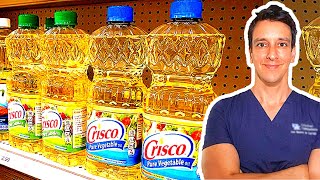
Discussions highlight contrasting results, such as the mention that participants in the seed oil group showed no differences in serum lipids or inflammation markers, which dampens enthusiasm about the effectiveness of such dietary strategies. The tone is somewhat cautious or dismissive, emphasizing the inconsistency in outcomes and reflecting skepticism about the study's conclusiveness.
AgreementLow agreement
Most posts express skepticism or neutrality regarding the findings, especially referencing the lack of observable effects in certain groups.
InterestModerate interest
Posts show moderate curiosity, particularly about how different oils impact health markers, but some dismiss the significance.
EngagementLow engagement
Discussion appears surface-level with minimal detailed analysis, indicating limited deep engagement.
ImpactNeutral impact
The overall influence of the publication as perceived by these discussions seems limited, with some posts questioning its validity.
Abstract in brief
The study investigated the effects of different polyunsaturated fatty acid (PUFA) supplements—corn oil, botanical oils (borage and echium), and fish oil—on biomarkers related to Type 2 diabetes and metabolic syndrome in 59 early-stage patients over 8 weeks.
Results showed that botanical oils significantly lowered total and LDL cholesterol, while fish oil reduced triglycerides and hemoglobin A1c and increased HDL cholesterol, indicating improvements in key metabolic markers; corn oil had no significant effects.
Overall, short-term dietary supplementation with botanical and fish oils can improve biomarkers associated with Type 2 diabetes and metabolic syndrome, suggesting potential benefits of PUFA-based interventions for these conditions.
Seed oils/Omega 6 and inflammation
Participants in the Canoila oil group showed no differences in serum lipids, markers of inflammation or glucose regulation between pre- and post-treatment measures
https://t.co/5pTTi5Jiwo
https://t.co/OcaPco1DkR
Our results do not support the
Seed oils/Omega 6 and inflammation
https://t.co/OcaPco1DkR
Participants in the Canoila oil group showed no differences in serum lipids, markers of inflammation or glucose regulation between pre- and post-treatment measures
https://t.co/5pTTi5Jiwo
Our results do not support the
Seed oils' inflammatory effects are debated. This video reviews scientific evidence on different seed oils, heat effects, omega6s, and the anti-inflammatory role of phenol compounds found in virgin olive oil and…
Consuming heated oils with phenol compounds, such as virgin olive oil and seed oil, reduces post-meal inflammation in obese individuals by lowering inflammatory markers like NF-κB and LPS. Phenol-rich oils offer…
Seed oils/Omega 6 and inflammation
https://t.co/OcaPco1DkR
Participants in the Canoila oil group showed no differences in serum lipids, markers of inflammation or glucose regulation between pre- and post-treatment measures
https://t.co/5pTTi5Jiwo
Our results do not support the
Seed oils/Omega 6 and inflammation
Participants in the Canoila oil group showed no differences in serum lipids, markers of inflammation or glucose regulation between pre- and post-treatment measures
https://t.co/5pTTi5Jiwo
https://t.co/OcaPco1DkR
Our results do not support the
 TK