 西N
西N西岡卓哉 Takuya Nishioka
@taku0726_tr · X
現場で使える力・速度・パワーの測定方法
Feb 26, 2022 · 65 likes · 5 shares · 14,695 followers
View post →
Mentions
Extended reach
Total likes
Video views
AI synopsis
The discussions mostly support the practicality and relevance of the article, with examples such as mentions of load-velocity profiling, Pmax values, and personal application data, highlighting the perceived importance of these techniques. The tone varies from technical enthusiasm to casual curiosity, reflecting both interest and recognition of the method’s potential influence in sprint training.
Most discussions acknowledge the effectiveness and practicality of the proposed measurement method, with some emphasizing its usefulness in real-world training and performance analysis.
Posts show high interest, with users exploring specific details like load-velocity profiling and Pmax values, and referencing additional resources for deeper understanding.
Posts demonstrate moderate engagement, with individuals reflecting on applications, sharing personal data, and discussing implications, although some are more casual or brief.
There is a recognition that this method could significantly improve sprint analysis and training, although some remain cautious about its limitations or novelty.
現場で使える力・速度・パワーの測定方法
スプリントの力ー速度プロファイル(例:30m走→スマホのカメラで撮影して5mごとのタイムを算出)を行えば、超高価な床反力計の上で走らなくても、地面反力の傾きを数値化して、走りの加速効率を簡単かつ正確に評価できる。 これ本当凄い。 https://t.co/GnJswtp7nU https://t.co/x55QdIodXm
Playing around with some previous data from @RileyLees and his NFL pro day training and created pre/post FVP profile Pretty cool to see the difference between the two & the impact his training had with these curves Resources: https://t.co/fh1aJP6yCg https://t.co/qdQ8ziDrz1 https://t.co/Am93M5eru8
@sprinterzycom @BaptCorcelle @lahti_johan @jb_morin @R_Nagahara @PierreSamozino For clear and detailed information please read: https://t.co/EYKYrJxbuA https://t.co/7oeYBk3YYj https://t.co/WfzErKyiiI https://t.co/mbSMNqVORM
7) After the load-velocity profiling we will have our Pmax value which will occur at 50% V0 decrement. Some great papers to look into for more details on sprint profiling: https://t.co/TMxz8Yk7Oe https://t.co/LtdRdjsi5K https://t.co/hwVoEsOpqH https://t.co/OV1NGfXVgq
RT @SportsmithHQ: 7) After the load-velocity profiling we will have our Pmax value which will occur at 50% V0 decrement. Some great papers…
A simple, field-based method using an inverse dynamic approach estimates force and power-velocity relationships during sprinting, relying only on anthropometric and spatiotemporal data. The method shows high accuracy…
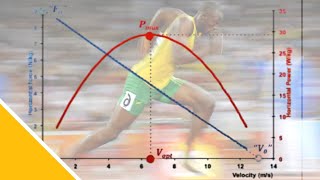
This video discusses a simple, reliable field-based method for measuring force, power, and velocity in sprinting. It highlights the use of an inverse dynamic approach leveraging anthropometric and spatiotemporal data…
RT @taku0726_tr: 現場で使える力・速度・パワーの測定方法
RT @taku0726_tr: 現場で使える力・速度・パワーの測定方法
RT @taku0726_tr: 現場で使える力・速度・パワーの測定方法
現場で使える力・速度・パワーの測定方法
RT @SportsmithHQ: 7) After the load-velocity profiling we will have our Pmax value which will occur at 50% V0 decrement. Some great papers…
7) After the load-velocity profiling we will have our Pmax value which will occur at 50% V0 decrement. Some great papers to look into for more details on sprint profiling: https://t.co/TMxz8Yk7Oe https://t.co/LtdRdjsi5K https://t.co/hwVoEsOpqH https://t.co/OV1NGfXVgq
RT @CoachNiklos: Playing around with some previous data from @RileyLees and his NFL pro day training and created pre/post FVP profile Pret…
RT @CoachNiklos: Playing around with some previous data from @RileyLees and his NFL pro day training and created pre/post FVP profile Pret…
Playing around with some previous data from @RileyLees and his NFL pro day training and created pre/post FVP profile Pretty cool to see the difference between the two & the impact his training had with these curves Resources: https://t.co/fh1aJP6yCg https://t.co/qdQ8ziDrz1 https://t.co/Am93M5eru8
@sprinterzycom @BaptCorcelle @lahti_johan @jb_morin @R_Nagahara @PierreSamozino For clear and detailed information please read: https://t.co/EYKYrJxbuA https://t.co/7oeYBk3YYj https://t.co/WfzErKyiiI https://t.co/mbSMNqVORM
RT @taku0726_tr: スプリントの力ー速度プロファイル(例:30m走→スマホのカメラで撮影して5mごとのタイムを算出)を行えば、超高価な床反力計の上で走らなくても、地面反力の傾きを数値化して、走りの加速効率を簡単かつ正確に評価できる。 これ本当凄い。 https…
RT @taku0726_tr: スプリントの力ー速度プロファイル(例:30m走→スマホのカメラで撮影して5mごとのタイムを算出)を行えば、超高価な床反力計の上で走らなくても、地面反力の傾きを数値化して、走りの加速効率を簡単かつ正確に評価できる。 これ本当凄い。 https…
RT @taku0726_tr: スプリントの力ー速度プロファイル(例:30m走→スマホのカメラで撮影して5mごとのタイムを算出)を行えば、超高価な床反力計の上で走らなくても、地面反力の傾きを数値化して、走りの加速効率を簡単かつ正確に評価できる。 これ本当凄い。 https…
スプリントの力ー速度プロファイル(例:30m走→スマホのカメラで撮影して5mごとのタイムを算出)を行えば、超高価な床反力計の上で走らなくても、地面反力の傾きを数値化して、走りの加速効率を簡単かつ正確に評価できる。 これ本当凄い。 https://t.co/GnJswtp7nU https://t.co/x55QdIodXm
[LAMHESS] [hal-01389134] A simple method for measuring power, force, velocity properties, and mechanical effectiveness in sprint running https://t.co/q8GSCWShKR
[LAMHESS] [hal-01389134] A simple method for measuring power, force, velocity properties, and mechanical effectiveness in sprint running https://t.co/S3LDGQtYdx
 MN
MN PE
PE S
S LC
LC とC
とC HA
HA Cア
Cア FM
FM RL
RL T
T 永将
永将 K安
K安 HT
HT