Discussions highlight the significance of genes like TRPV3 in mammoth cold adaptation and explore possibilities of gene editing to replicate these traits in other species, with tone emphasizing scientific curiosity and potential breakthrough implications. References to specific genes, physiological mechanisms, and applications illustrate deep engagement with the subject matter.
AgreementModerate agreement
Most discussions recognize the significance of the research, with some references to genetic mutations and their role in adaptation, showing general support and alignment with the article's findings.
InterestHigh interest
The use of scientific terms like TRPV3, genetic differences, and gene editing indicates high curiosity and fascination with the research details.
EngagementModerate engagement
Participants are actively exploring mechanisms, potential applications such as gene editing, and linking related studies, demonstrating meaningful involvement.
ImpactModerate impact
The discourse suggests the research could influence future studies, conservation efforts, and biotechnology approaches, implying a moderate level of potential impact.
Abstract in brief
The study sequenced genomes of woolly mammoths and Asian elephants to find genetic differences that helped mammoths survive in cold Arctic environments, highlighting changes in genes related to hair, skin, fat, and temperature sensing.
Researchers identified specific genetic mutations in mammoths that are linked to their ability to adapt to extreme cold conditions, especially in functions like skin and hair development, fat storage, and sensing temperature.
They experimentally tested a key gene called TRPV3, which is involved in temperature sensation and hair growth, and found that a single mutation in mammoths significantly altered how this gene responds to temperature, helping them survive in icy climates.]
Elephantid genomes reveal the molecular bases of Woolly Mammoth adaptations to the arctic published as: https://t.co/HJepr1rzcI @cellreports #biorxiv
Dec 25, 2019 · 1 like · 2,908 followersView post →
DC
David Castro
@DavidECastroG · X
Una comparación genética entre el mamut lanudo y el elefante asiático https://t.co/r1ZKe1kqwA mostró diferencias en al menos 1642 genes involucrados en la adaptación al frío extremo. ¿Se podría usar la edición genética para modificar esos genes del ADN del elefante asiático?
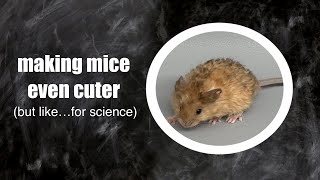
@Fynnderella1 The new whooly mouse model.
TRPV3 Whooly Mammoth
https://t.co/PRsStBkBvN
TRPV1 Chikungunya virus / Heat Hypersensitivity
https://t.co/pTeOexNF9A
TRPV4 Enteric Coronaviruses
https://t.co/Rch7mi1Msd
'....TRPV4 plays an essential role in modulating calcium ion influx.'
This video explains the genomic differences between woolly mammoths and Asian elephants that enabled mammoths to survive Arctic conditions, focusing on genes related to hair, skin, fat, and temperature sensing…
Genomics of woolly mammoths reveal genetic changes that enabled survival in Arctic cold, including adaptations in hair, skin, fat, and temperature sensing genes. A key mutation in the TRPV3 gene influenced temperature…
@Fynnderella1 The new whooly mouse model.
TRPV3 Whooly Mammoth
https://t.co/PRsStBkBvN
TRPV1 Chikungunya virus / Heat Hypersensitivity
https://t.co/pTeOexNF9A
TRPV4 Enteric Coronaviruses
https://t.co/Rch7mi1Msd
'....TRPV4 plays an essential role in modulating calcium ion influx.'
Una comparación genética entre el mamut lanudo y el elefante asiático https://t.co/r1ZKe1kqwA mostró diferencias en al menos 1642 genes involucrados en la adaptación al frío extremo. ¿Se podría usar la edición genética para modificar esos genes del ADN del elefante asiático?
 BP
BP DC
DC 虚ナ
虚ナ M
M