The discussions show interest in how individuals can knowingly reject superstitions yet still act on them, using inviting and positive language like 'cool paper' and referencing influential figures like Jane Risen to underscore the significance. The tone suggests curiosity and recognition of the study's relevance, but the depth remains moderate, focusing more on confirming the article's main points than on detailed analysis or critique.
AgreementModerate agreement
Most discussions acknowledge the validity of the article's points about people's irrational adherence to superstitions, indicated by phrases like 'recognize that a superstitious belief makes no sense but still act on it.'
InterestHigh interest
The discussions highlight enthusiasm and curiosity about the topic, with words like 'cool paper' and noting the significance in understanding human behavior, showing active engagement.
EngagementModerate engagement
Participants reference the core ideas of the publication and relate them to psychological theories and real-world implications, demonstrating moderate depth of discussion.
ImpactModerate impact
While the comments recognize the importance of the research, they mainly serve to introduce the topic rather than explore broad societal implications or practical applications, leading to a moderate impact score.
Abstract in brief
The article explains that superstitions are not just found in people with mental issues but are common among educated and emotionally stable adults, driven by intuitive thinking (System 1) that produces magical beliefs.
It discusses a dual process model, like Kahneman and Frederick’s, where System 1 generates quick, intuitive answers, and System 2 can correct these answers, but sometimes people recognize errors yet choose to ignore or accept them, a process called acquiescence.
The author proposes refining this model by distinguishing error detection from correction, suggesting that people can acknowledge their beliefs are irrational but still act on them, which could help better understand not only magical thinking but other psychological phenomena.]
Believing What We Do Not Believe: Acquiescence to Superstitious Beliefs and Other Powerful Intuitions
People can recognize that a superstitious belief makes no sense but still act on it.
Cool paper from Chicago Booth professor, Jane Risen
https://t.co/Hos1Rt9Dyd https://t.co/oxJJmexIBC
Oct 7, 2020 · 32 likes · 8 shares · 99,352 followersView post →
FC
Florian Cova
@CovaFlorian · X
161/#365papers: Risen, J. L. (2016). Believing what we do not believe: Acquiescence to superstitious beliefs and other powerful intuitions. Psychological Review, 123(2), 182.
Superstitions are common among all adults, driven by intuitive thinking. This video explores how quick, intuitive responses lead to magical beliefs and why individuals sometimes accept irrational beliefs despite knowing…
Superstitions are common among educated adults and stem from intuitive System 1 thinking that produces magical beliefs. The dual process model explains how people often accept irrational beliefs despite recognizing…
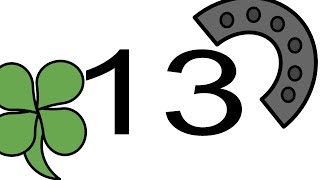
Many people, including scientists, hold superstitions like the fear of the number 13. This video explores how intuitive thinking drives magical beliefs among rational adults, highlighting the distinction between…
161/#365papers: Risen, J. L. (2016). Believing what we do not believe: Acquiescence to superstitious beliefs and other powerful intuitions. Psychological Review, 123(2), 182.
RT @AnnieDuke: Believing What We Do Not Believe: Acquiescence to Superstitious Beliefs and Other Powerful Intuitions
People can recognize…
Oct 7, 2020 · 8 shares · 2,366 followersView post →
AD
Annie Duke
@AnnieDuke · X
Believing What We Do Not Believe: Acquiescence to Superstitious Beliefs and Other Powerful Intuitions
People can recognize that a superstitious belief makes no sense but still act on it.
Cool paper from Chicago Booth professor, Jane Risen
https://t.co/Hos1Rt9Dyd https://t.co/oxJJmexIBC
Oct 7, 2020 · 32 likes · 8 shares · 99,352 followersView post →
 AD
 FC
 GW
 ÜÖ
 Y
 AP


 GP
 NM