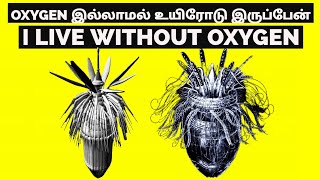
J. M. Bernhard et al., Metazoans of redoxcline sediments in Mediterranean deep-sea hypersaline anoxic basins. BMC Biol. 13, 105 (2015). link.springer.com/article/10.1...
Metazoans of redoxcline sediments in Mediterranean deep-sea hypersaline anoxic basins.
Mentions
Extended reach
Total likes
Video views
Mentions per month
Jun 2019 – Jun 2024Where it's discussed
-
News14 articles
-
Blogs3 articles
-
YouTube2 videos
-
Bluesky1 posts
AI synopsis
What people are saying
The discussions highlight the remarkable discovery of metazoans thriving in extreme settings, with words like 'fascinating' and 'game-changing' emphasizing their excitement, while referencing aspects like the health status of nematodes and the uncertain nature of loriciferans' presence shows active engagement and appreciation for the research's impact.
Most discussions express support and fascination with the findings, acknowledging the significance of discovering metazoans in such extreme environments.
Posts show high curiosity, clearly engaging with the complexity of the research and its implications for understanding extreme ecosystems.
Participants reference specific details like the presence of nematodes and loriciferans, indicating thoughtful reading and analysis.
While respondents recognize the scientific importance, the discussions suggest moderate influence on broader scientific or environmental debates.
Abstract in brief
- The study investigates metazoans, mainly nematodes and loriciferans, living in the extreme brine environments of Mediterranean deep-sea hypersaline basins, which were previously thought to be uninhabitable for eukaryotes due to their high salinity and anoxic conditions.
- Nematodes were the most common metazoans found in sediments near the haloclines, with different morphotypes and some endemic species; their abundance varied with depth and oxygen levels, showing healthy or recently deceased specimens in upper halocline areas but deteriorated ones in lower haloclines.
- Loriciferans, which are rare, were found in both normal and halocline sediments, but their presence and health status remain unclear, highlighting the potential for complex eukaryotic life in these extreme environments despite previous assumptions.]
Top posts
Most liked on X and BlueskyAll mentions
Animals Living Without Oxygen in Deep-Sea Hypersaline Environments
Deep in the Mediterranean Sea, some small animals thrive in oxygen-free hypersaline basins, challenging previous beliefs about eukaryotic life in extreme conditions. The study focuses on metazoans like nematodes and…
Loricifera: Microorganisms Surviving Without Oxygen in Marine Sediments
This video explains loriciferans, tiny marine animals that live without oxygen, discovered in deep-sea Mediterranean sediments. Their ability to survive in extreme environments challenges previous assumptions about…
J. M. Bernhard et al., Metazoans of redoxcline sediments in Mediterranean deep-sea hypersaline anoxic basins. BMC Biol. 13, 105 (2015). link.springer.com/article/10.1...