デルタのゆっくり科学
@Delta_yukkuri · X
動画投稿しました。 最近、長編動画が続いたので今回は軽めです。 なぜ都市環境は生物の進化を加速させるのか?【ゆっくり解説】 https://t.co/7kaDf534qP
Mar 28, 2025 · 27 likes · 8 shares · 553 followers
View post →
Mentions
Extended reach
Total likes
Video views
AI synopsis
The consensus reflects a strong agreement on the research’s implications, with posts highlighting that urban moth populations are evolving to avoid light, as shown in phrases like 'urban moths are evolving' and 'artificial light is a strong selective force.' Posts expressing concern about ecological impacts use serious language such as 'mass extinction' and 'biodiversity,' indicating high perceived significance. The tone and detail in discussions reveal a collective recognition of the study’s importance for understanding urban-driven evolutionary change and environmental impact.
Most posts agree with the article’s findings, emphasizing that urban moths are evolving to avoid artificial light due to long-term light pollution, highlighting shared concern about ecological consequences.
Discussions show high interest, with many posts referencing the research, its implications for biodiversity, and evolutionary processes, indicating active engagement and curiosity.
Posts delve into scientific details, mention experiments, and express concern about ecological effects, showing meaningful engagement beyond superficial reactions.
Users recognize the study's significance, framing it as evidence of ecological change caused by human activity and emphasizing the importance of understanding light pollution’s broader effects.
動画投稿しました。 最近、長編動画が続いたので今回は軽めです。 なぜ都市環境は生物の進化を加速させるのか?【ゆっくり解説】 https://t.co/7kaDf534qP
本日のオンライン文献紹介ゼミ。 都会では蛾の正の走行性が弱まる。光害の強い地域から採集してきたスガ科の一種は、光害のない地域からの個体に比べて光源へ飛行する頻度が減っていた。都会の人工光は昆虫に強い淘汰をかけているのかもしれない。https://t.co/8XWxDFmRcf BiolLett (2016)
Un bon exemple: un experiment bastant curiós fet amb microlepidòpters (Yponomeuta cagnagella) va concloure que els individus urbans sentien poca atracció per la llum, en comparació amb els seus parents rurals. https://t.co/2ldZ0MlD8x https://t.co/PR1lAF7lhs
Q6⃣ How and at what rates can populations adapt to ALAN? evolutionary responses to #lightpollution are very likely, yet evidence remains rare - as most published studies only cover short periods (but see clever exp study by @altermatt_lab in Bio Lett https://t.co/NCGtfLjbj9) 7/ https://t.co/dA30ImzaSj
The science behind one of the stories @artede documentary https://t.co/P5AXBFHJUQ on #urban #evolution: Reduced flight-to-light behaviour of moth populations exposed to long-term urban #light_pollution. https://t.co/hHISW2EThL @sagamediaTV @schilthuizen #darksky https://t.co/jCDeH2nD9d
@IBJIYONGI @IDADarkSky It's terrible how light pollution is affecting the evolution of nocturnal species: https://t.co/3eHv7Y63Z9

Urban light pollution over decades causes moth populations to become less attracted to artificial light compared to those in dark-sky environments. This behavioral change may improve survival but can negatively affect…
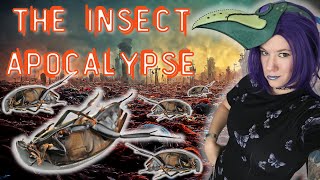
Explore the significant findings from a 27-year study revealing a 76% decline in flying insect biomass across protected areas in Germany. This video delves into the implications for ecosystems and biodiversity…
RT @Delta_yukkuri: 動画投稿しました。 最近、長編動画が続いたので今回は軽めです。 なぜ都市環境は生物の進化を加速させるのか?【ゆっくり解説】 https://t.co/7kaDf534qP
実際都市部の生物は、その環境に合わせて独自の進化をしているらしい。 https://t.co/0aez0tNS7J https://t.co/MpUDRZEZAb
https://t.co/RXvcy4VYi7 よくできていると思いました。
@kyota999 https://t.co/wGCVZINkZ7
なぜ都市環境は生物の進化を加速させるのか?【ゆっくり解説】 https://t.co/gxodor1T0p @YouTubeより rp>最近どっかで聞いた話と思ったらこれだった
なぜ都市環境は生物の進化を加速させるのか?【ゆっくり解説】 https://t.co/OnHgiNH3Fr @YouTubeより デルタのゆっくり科学さま 鳥の羽根が小さくなったり、たんぽぽの綿毛に変化があったりと、生物の神秘に驚かされました! #デルタのゆっくり科学
なぜ都市環境は生物の進化を加速させるのか?【ゆっくり解説】 https://t.co/MeYS3puVre @YouTubeより
なぜ都市環境は 生物の進化を加速させるのか? 【ゆっくり解説】 https://t.co/zpylMpIMPc @YouTubeより
なぜ都市環境は生物の進化を加速させるのか?【ゆっくり解説】 https://t.co/g0hIH0sP6U @YouTube
デルタさんの動画が更新されてた https://t.co/JiraUdIzht
進化というより,遺伝子レベルでの環境変化への適応レンジの幅広さの度合ってだけな気がするけどなあ。 人間の人種の多様が進化とは言われないように,種の多様性の範囲内におさまるレベルの話で,そんな高次元の話じゃない気がする。 https://t.co/aJYc3LEgp0
RT @Delta_yukkuri: 動画投稿しました。 最近、長編動画が続いたので今回は軽めです。 なぜ都市環境は生物の進化を加速させるのか?【ゆっくり解説】 https://t.co/7kaDf534qP
RT @Delta_yukkuri: 動画投稿しました。 最近、長編動画が続いたので今回は軽めです。 なぜ都市環境は生物の進化を加速させるのか?【ゆっくり解説】 https://t.co/7kaDf534qP
RT @Delta_yukkuri: 動画投稿しました。 最近、長編動画が続いたので今回は軽めです。 なぜ都市環境は生物の進化を加速させるのか?【ゆっくり解説】 https://t.co/7kaDf534qP
RT @Delta_yukkuri: 動画投稿しました。 最近、長編動画が続いたので今回は軽めです。 なぜ都市環境は生物の進化を加速させるのか?【ゆっくり解説】 https://t.co/7kaDf534qP
動画投稿しました。 最近、長編動画が続いたので今回は軽めです。 なぜ都市環境は生物の進化を加速させるのか?【ゆっくり解説】 https://t.co/7kaDf534qP
https://t.co/xVtSBsarcd
No more bugs = mass hman extinction https://t.co/SoMzr3AYKZ
Anyone interested in conservation should give this a watch. Nancy Miorelli gives a great appraisal of the current state of arthropod life in 2024. https://t.co/eYoTcH8Okd
#InsectApocalypse https://t.co/pPWtgzryjZ
ガのやつ https://t.co/6rGOAiWez3
RT @m_laevis: @Alien_Evolve コレなんかまさにそうですね。https://t.co/sUcqnP1WfO
RT @m_laevis: @Alien_Evolve コレなんかまさにそうですね。https://t.co/sUcqnP1WfO
RT @m_laevis: @Alien_Evolve コレなんかまさにそうですね。https://t.co/sUcqnP1WfO
@Alien_Evolve コレなんかまさにそうですね。https://t.co/sUcqnP1WfO
@JLowenWildlife urban or rural site ;-) https://t.co/VQ7pLyYbcw
RT @cone_biology: 現代社会で進化が起こっている事例 田舎のガは光に集まってくる(キャンプで灯りに集まってくる感じ)傾向にあるけど, 都会のガは光に集まりにくいらしい 都会は光が多すぎる・強すぎる(だから光害なんてものが言われている)環境だからこそ, このような…
RT @cone_biology: 現代社会で進化が起こっている事例 田舎のガは光に集まってくる(キャンプで灯りに集まってくる感じ)傾向にあるけど, 都会のガは光に集まりにくいらしい 都会は光が多すぎる・強すぎる(だから光害なんてものが言われている)環境だからこそ, このような…
現代社会で進化が起こっている事例 田舎のガは光に集まってくる(キャンプで灯りに集まってくる感じ)傾向にあるけど, 都会のガは光に集まりにくいらしい 都会は光が多すぎる・強すぎる(だから光害なんてものが言われている)環境だからこそ, このような進化が起きたんだろう https://t.co/4xmlTiuj2L
@IBJIYONGI @IDADarkSky It's terrible how light pollution is affecting the evolution of nocturnal species: https://t.co/3eHv7Y63Z9
Efter generationer i lysforureningens skær er byens Benvedspindemøl ikke nær så tilbøjelige til at søge til lys. Nødvendig tilpasning hvis man skal overleve byen, men prisen er lavere mobilitet. #dknatur #biodiversitet #jegkiggerpåinsekter https://t.co/JNfjEvsYMM https://t.co/PzZb4J20HD
2/2 This is same moth species that a previous study reported the evolution of reduced attraction of adult moths to light in populations from light-polluted areas https://royalsocietypublishing.org/doi/10.1098/rsbl.2016.0111
RT @AlbPalou: Un bon exemple: un experiment bastant curiós fet amb microlepidòpters (Yponomeuta cagnagella) va concloure que els individus…
RT @AlbPalou: Un bon exemple: un experiment bastant curiós fet amb microlepidòpters (Yponomeuta cagnagella) va concloure que els individus…
Un bon exemple: un experiment bastant curiós fet amb microlepidòpters (Yponomeuta cagnagella) va concloure que els individus urbans sentien poca atracció per la llum, en comparació amb els seus parents rurals. https://t.co/2ldZ0MlD8x https://t.co/PR1lAF7lhs
RT @gkalinkat: Q6⃣ How and at what rates can populations adapt to ALAN? evolutionary responses to #lightpollution are very likely, yet evi…
Q6⃣ How and at what rates can populations adapt to ALAN? evolutionary responses to #lightpollution are very likely, yet evidence remains rare - as most published studies only cover short periods (but see clever exp study by @altermatt_lab in Bio Lett https://t.co/NCGtfLjbj9) 7/ https://t.co/dA30ImzaSj
#いきものたちのりくつ 紙面版も煌々と明るい夜の街に適応したガの話。ネタ論文は、 https://t.co/4Nc85eBxcU
Reduced flight-to-light behaviour of moth populations exposed to long-term urban light pollution by @altermatt_lab Sweet paper - demonstrates that urban moths are evolving to have weaker attraction to light. Artificial light is a strong selective force! https://t.co/kf54GjY3VP https://t.co/VYH00wxeLk
RT @altermatt_lab: The science behind one of the stories @artede documentary https://t.co/P5AXBFHJUQ on #urban #evolution: Reduced flight…
RT @altermatt_lab: The science behind one of the stories @artede documentary https://t.co/P5AXBFHJUQ on #urban #evolution: Reduced flight…
RT @altermatt_lab: The science behind one of the stories @artede documentary https://t.co/P5AXBFHJUQ on #urban #evolution: Reduced flight…
The science behind one of the stories @artede documentary https://t.co/P5AXBFHJUQ on #urban #evolution: Reduced flight-to-light behaviour of moth populations exposed to long-term urban #light_pollution. https://t.co/hHISW2EThL @sagamediaTV @schilthuizen #darksky https://t.co/jCDeH2nD9d
RT @KOBEKONCHU: 本日のオンライン文献紹介ゼミ。 都会では蛾の正の走行性が弱まる。光害の強い地域から採集してきたスガ科の一種は、光害のない地域からの個体に比べて光源へ飛行する頻度が減っていた。都会の人工光は昆虫に強い淘汰をかけているのかもしれない。https:/…
RT @KOBEKONCHU: 本日のオンライン文献紹介ゼミ。 都会では蛾の正の走行性が弱まる。光害の強い地域から採集してきたスガ科の一種は、光害のない地域からの個体に比べて光源へ飛行する頻度が減っていた。都会の人工光は昆虫に強い淘汰をかけているのかもしれない。https:/…
RT @KOBEKONCHU: 本日のオンライン文献紹介ゼミ。 都会では蛾の正の走行性が弱まる。光害の強い地域から採集してきたスガ科の一種は、光害のない地域からの個体に比べて光源へ飛行する頻度が減っていた。都会の人工光は昆虫に強い淘汰をかけているのかもしれない。https:/…
本日のオンライン文献紹介ゼミ。 都会では蛾の正の走行性が弱まる。光害の強い地域から採集してきたスガ科の一種は、光害のない地域からの個体に比べて光源へ飛行する頻度が減っていた。都会の人工光は昆虫に強い淘汰をかけているのかもしれない。https://t.co/8XWxDFmRcf BiolLett (2016)
Reduced flight-to-light behaviour of moth populations exposed to long-term urban light pollution | Biology Letters https://t.co/OX0wvtijTB
@brandonscooper https://t.co/3eHv7Y63Z9
@hannastostad Moths avoid light in urban areas: Altermatt, F., & Ebert, D. (2016). Reduced flight-to-light behaviour of moth populations exposed to long-term urban light pollution. Biology letters, 12(4), 20160111
Onderzoek naar effecten van lichtvervuiling. Florian Altermatt City moths less attracted to light https://t.co/GLKLZhJage https://t.co/x3Dkc1Dx46
 む
 AP
 GS
 FS
 TL
 竹
 深
 G
 た
 AT
 謹
 紙
 べ
 O
 PC
 H
 KN
 NG
 FS
 MS
 JS
 原
 S
 NN
 LP
 WZ