 KL
KLKording Lab
@KordingLab · X
@CJHandmer Like you would expect something like this no? https://t.co/tQJLv0VKEZ
Aug 10, 2023 · 45,282 followers
View post →
Mentions
Extended reach
Total likes
Video views
AI synopsis
The overall sentiment reflects a positive attitude towards the research, with comments like 'summarizes physiological effects' and mentions of the device providing North orientation, which shows interest and some engagement. The tone is informal and approving, suggesting an appreciation of the study's implications without deep technical critique.
Most posts acknowledge the relevance and significance of the research, with some expressing approval or curiosity, indicated by phrases like 'like you would expect' and positive summaries.
The majority of discussions show high engagement with the topic, especially through mentions of the sensory device and references to the research summary, reflecting curiosity and enthusiasm.
Posts include brief reviews and reactions, some referencing the methodology or implications, demonstrating a moderate level of engagement rather than deep analysis.
There is a recognition that the study's findings could influence understanding of brain plasticity and sensory perception, though the discussions are relatively surface-level and mainly exploratory.
@CJHandmer Like you would expect something like this no? https://t.co/tQJLv0VKEZ
RT @feelSpaceBelt: This paper https://t.co/GSiSK4NS8S summariizes physiological effects from participants loving the experience with the co…
Learning new sensorimotor contingencies: effects of long-term use of sensory augmentation on brain and perception http://journals.plos.org/plosone/article?id=10.1371/journal.pone.0166647
(YouTube) Sensory augmentation through a vibrotactile belt that indicates North https://www.youtube.com/watch?v=nrbeYJpI_AI Review of paper "Learning new sensorimotor contingencies: effects of long-term use of sensory augmentation on the brain and conscious perception"; #feelSpace...

This video discusses how long-term use of the feelSpace navigation belt influences brain activity and perception, highlighting neural changes, sensory processing, and improved navigation skills through sensorimotor…
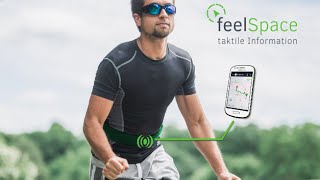
This video presents research on how mastering new sensorimotor contingencies through devices like the feelSpace belt can induce brain changes and alter perception. It highlights findings from EEG and fMRI studies…
RT @feelSpaceBelt: This paper https://t.co/GSiSK4NS8S summariizes physiological effects from participants loving the experience with the co…
@CJHandmer Like you would expect something like this no? https://t.co/tQJLv0VKEZ
(YouTube) Sensory augmentation through a vibrotactile belt that indicates North https://www.youtube.com/watch?v=nrbeYJpI_AI Review of paper "Learning new sensorimotor contingencies: effects of long-term use of sensory augmentation on the brain and conscious perception"; #feelSpace...
Learning new sensorimotor contingencies: effects of long-term use of sensory augmentation on brain and perception http://journals.plos.org/plosone/article?id=10.1371/journal.pone.0166647
 L
L