The overall discussion reflects a strong consensus on the importance of expanding stroke recognition beyond traditional signs, with phrases like 'EVERYONE should learn it' and 'time lost is brain lost' underscoring urgency. The tone is serious and educational, emphasizing that strokes can affect anyone and highlighting evidence that adding symptoms like balance and eyes to the assessment significantly improves detection rates. Words like 'proud', 'serious', and 'must consider' reinforce the perceived critical impact of these updates.
AgreementModerate agreement
Many discussions endorse the importance of the BE-FAST mnemonic, emphasizing its role in improving stroke detection, as seen in comments supporting its adoption and referencing studies that show increased detection accuracy.
InterestHigh interest
The level of curiosity and concern is high, with posts highlighting the urgency of stroke recognition, especially emphasizing that strokes affect all ages and races, and noting updates to traditional methods.
EngagementHigh engagement
Users actively reference research findings, new protocols, and personal opinions, demonstrating deep involvement and understanding of stroke detection improvements.
ImpactModerate impact
While many acknowledge its significance in clinical and community health, some posts suggest the potential for broad health education benefits, but consensus on immediate impact remains moderate.
Abstract in brief
The study investigates how well the FAST (Face, Arm, Speech, Time) stroke identification tool captures all acute ischemic stroke patients and finds that a significant portion (around 14-44%) are missed using FAST alone.
Adding symptoms like gait imbalance, leg weakness, or visual problems to the FAST criteria significantly reduces missed stroke cases, suggesting a revised mnemonic could improve detection.
If these findings are confirmed through further research, updating public education on stroke signs to include these additional symptoms might help in identifying more stroke patients promptly, potentially improving outcomes.]
Nachdem ich schon angesprochen wurde, kommt hier eine Erklärung.
Warum immer BE FAST?
Antwort: https://t.co/vAQlcQ3mV2
Mit FAST ohne BE wurden in dieser Studie 14,1% der Strokes nicht erkannt, mit Prüfung von "Balance" und "Eyes" nur noch 2,6%.
@ZoiNetou #NeuroNerd #foamed
Nov 8, 2019 · 33 likes · 4 shares · 3,909 followersView post →
LT
Lynda Thompson
@Lynda_Research · X
BE-FAST is the new stroke warning: Balance, Eyes, Face, Arm, Speech, Time. If you think you may have had a stroke, get to an ER with a stroke team as fast as safely possible to be evaluated.
https://t.co/Y0JQNPdn1v
Jun 12, 2023 · 15 likes · 2 shares · 24,865 followersView post →
Jun 1, 2019 · 4 likes · 2 shares · 1,369 followersView post →
R
r
@dromron · X
This came up just now.. #onshiftteaching #FOAMed #meded
Stroke scales are poor at detecting posterior stroke. The only scale I know that has been shown to include posterior stroke is
https://t.co/1YNrtsoh2c
https://t.co/EvpAHCgmEg
Dec 21, 2019 · 4 likes · 2 shares · 489 followersView post →
A song about teaching and empowering children to detect a stroke and know that something is wrong and that they need to seek help. It emphasizes BE FAST and the importance of recognizing additional symptoms for timely…
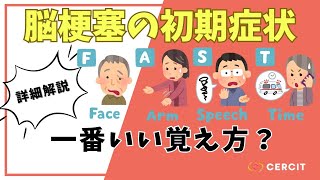
Strokes affect many people in Canada but do people know why they occur. You may also have heard of the acronym FAST to help identify a stroke but FAST actually isn't good enough. This video explains the new BE FAST…
This video discusses the effectiveness of the FAST stroke identification tool and the potential benefits of including additional symptoms such as gait imbalance, leg weakness, and visual problems to improve detection…
BEFAST is a stroke detection tool. The study shows that adding symptoms like gait imbalance, leg weakness, or visual issues to FAST improves stroke identification and reduces missed cases, potentially leading to better…
Did you know? Every minute counts when it comes to stroke. Learn the signs of stroke with BE FAST: Balance, Eyes, Face, Arm, Speech, Time. If you see any of these signs, call 911 immediately. stroke.org #StrokeAwareness #BEFAST
Did you know? Every minute counts when it comes to stroke. Learn the signs of stroke with BE FAST: Balance, Eyes, Face, Arm, Speech, Time. If you see any of these signs, call 911 immediately. stroke.org #StrokeAwareness #BEFAST
@Sassafrass_84 It's called "BE FAST" and EVERYONE should learn it...including women! Strokes are not limited to older people! Please don't poke fun at a very serious medical issue, STROKES do not care about anyone's age, sex, or race!
https://t.co/0WCzEgN7RQ
When it comes to stroke, "time lost is brain lost."
It's *critical* to be aware of *all* of the symptoms that may strongly indicate stroke, even if not all of the traditional symptoms are observed!
Source: https://t.co/1j3xf2Zuek
14/ https://t.co/yMR6owpzhO
Mar 18, 2024 · 2 likes · 7,147 followersView post →
KS
kot z twarzą jest też na tej innej stronie
@kot_z_twarza · X
link 1: https://t.co/64flRzNSnj
Oct 18, 2023 · 3 likes · 5,184 followersView post →
WH
Washington Health
@wash_health · X
We are proud to provide health education for our community, especially when it comes to youth. We hosted the Fremont Debate Academy x Civics branch for a workshop at our Fremont campus where students learned how to spot the signs of stroke using BE-FAST: https://t.co/jDZxqpFv9G https://t.co/gNUaZXjmGk
RT @Lynda_Research: BE-FAST is the new stroke warning: Balance, Eyes, Face, Arm, Speech, Time. If you think you may have had a stroke, get…
Jun 13, 2023 · 2 shares · 536 followersView post →
JF
Julie Farrell
@Julesofthwood · X
RT @Lynda_Research: BE-FAST is the new stroke warning: Balance, Eyes, Face, Arm, Speech, Time. If you think you may have had a stroke, get…
Jun 12, 2023 · 2 shares · 6,198 followersView post →
LT
Lynda Thompson
@Lynda_Research · X
BE-FAST is the new stroke warning: Balance, Eyes, Face, Arm, Speech, Time. If you think you may have had a stroke, get to an ER with a stroke team as fast as safely possible to be evaluated.
https://t.co/Y0JQNPdn1v
Jun 12, 2023 · 15 likes · 2 shares · 24,865 followersView post →
3a/
An awareness video on stroke (Nepali language) targeting general people was made focusing on
* Identifying stroke (BE-FAST)
* Lifestyle changes that can occur after stroke
* Stroke prevention & post stroke care
#BrainAwarenessWeek @IBROorg @dana_fdn
https://t.co/e0fclUC1P8
When it comes to strokes, remember to BE-FAST. This identifies if someone is having a stroke, and focuses on their balance, eyesight, facial weakness, arm weakness and impaired speech. For more information on strokes, read this article from @American_Heart https://t.co/mcQ72rkyIU https://t.co/r2DlVzH92F
RT @dromron: This came up just now.. #onshiftteaching #FOAMed #meded
Stroke scales are poor at detecting posterior stroke. The only scale…
Dec 21, 2019 · 2 shares · 6,929 followersView post →
M
MedEdBot
@MedEdBot · X
RT @dromron: This came up just now.. #onshiftteaching #FOAMed #meded
Stroke scales are poor at detecting posterior stroke. The only scale…
Dec 21, 2019 · 2 shares · 2,909 followersView post →
R
r
@dromron · X
This came up just now.. #onshiftteaching #FOAMed #meded
Stroke scales are poor at detecting posterior stroke. The only scale I know that has been shown to include posterior stroke is
https://t.co/1YNrtsoh2c
https://t.co/EvpAHCgmEg
Dec 21, 2019 · 4 likes · 2 shares · 489 followersView post →
U
Urknallchirurgie
@Urknallchirurg1 · X
RT @dens_r_d: Nachdem ich schon angesprochen wurde, kommt hier eine Erklärung.
Warum immer BE FAST?
Antwort: https://t.co/vAQlcQ3mV2
Mit F…
Nov 8, 2019 · 4 shares · 1,165 followersView post →
WL
Wunder Lich
@LunderWicht · X
RT @dens_r_d: Nachdem ich schon angesprochen wurde, kommt hier eine Erklärung.
Warum immer BE FAST?
Antwort: https://t.co/vAQlcQ3mV2
Mit F…
Nachdem ich schon angesprochen wurde, kommt hier eine Erklärung.
Warum immer BE FAST?
Antwort: https://t.co/vAQlcQ3mV2
Mit FAST ohne BE wurden in dieser Studie 14,1% der Strokes nicht erkannt, mit Prüfung von "Balance" und "Eyes" nur noch 2,6%.
@ZoiNetou #NeuroNerd #foamed
Nov 8, 2019 · 33 likes · 4 shares · 3,909 followersView post →
PS
Patricio Sandoval
@neuropuc · X
@RFVSMSci @FacMedicinaUC @ucchristus Así es
https://t.co/Si5IONGMSD
Stroke. 2017;48:479–481