Reisen und testen für ein Kind
News
... awareness trai- ning. Arch Gynecol Obstet (online) 17. Februar 2017, http://link.springer.com/ar- ticle/10.1007/s00404–017–4294-z. MEDIZINREPORT.
Jan 12, 2026
View →
Mentions
Extended reach
Total likes
Video views
AI synopsis
The discussions focus on practical fertility signs like ovulation pain and breast tenderness, with words like 'help' and 'reveal' indicating curiosity rather than strong opinions. The tone is conversational, with some participants questioning or highlighting natural indicators, reflecting moderate interest and engagement without extensive critical analysis.
The discussions largely revolve around questions and curiosity rather than outright support or skepticism of the study's conclusions.
There is a mild interest indicated by questions about ovulation signs and fertility indicators, showing some engagement with the topic.
Posts reflect a moderate engagement through sharing personal fertility concepts and asking about signs like ovulation pain, but lack deep analysis of the research findings.
The social discussions seem to have limited immediate impact, primarily generating curiosity rather than driving significant change or critique.
What do Breast Pain after Ovulation reveal? https://t.co/sO4Nrb7Wl7 #ovulation #fertility #pregnancywish #pregnant #nfp #pain #cycle
Is Ovulation Pain - A Sure Sign of Ovulation? https://t.co/evzCZON8ao #ovulation #fertility #pregnancywish #cycle #awarness #nfp
RT @tv_fertility: What do Breast Pain after Ovulation reveal? https://t.co/sO4Nrb7Wl7 #ovulation #fertility #pregnancywish #pregnant #nfp #…
RT @tv_fertility: Can Ovulation Dreams help you to get Pregnant? See it in the Video: https://t.co/byjunSnoi6 #ovulation #fertility #nfp #c…
ᴾᴿᴼᴹᴼᵀᴵᴼᴺ
Can Ovulation Dreams help you to get Pregnant? See it in the Video: https://t.co/byjunSnoi6 #ovulation #fertility #nfp #cycle #menstruation

This video explains why ovulation bleeding occurs, how to recognize it, and what it reveals about your fertile window. Learn to identify signs of ovulation and improve natural conception chances through cycle awareness.

All about cervical mucus and its importance in identifying fertile days for natural conception. Learn how to detect ovulation signs, calculate your fertile window, and improve your chances of pregnancy using cycle…

Many women notice slight breast pain after ovulation. This can indicate fertility status and help in understanding your cycle to optimize conception chances. Learn how body observations can assist in natural fertility…

Learn how fertility awareness training can improve natural conception rates in subfertile women. The Sensiplan method helps identify fertile days, increasing pregnancy chances and providing a natural approach to…

Is ovulation pain a reliable sign of ovulation? This video explains how to use ovulation pain as a fertility indicator and introduces natural methods for conception based on cycle observation and awareness.

This video explores how fertility awareness training using the Sensiplan method can significantly increase pregnancy chances, especially in subfertile women, by accurately identifying fertile days and understanding…

This video explains how to determine your most fertile days, learn the Symptothermal Method, and improve natural conception rates through cycle diagnostics and body observations, especially for women facing fertility…

This video explores how dreams during ovulation may relate to fertility indicators and how reproductive awareness can aid conception. Learn about natural methods to identify your fertile days and improve pregnancy…

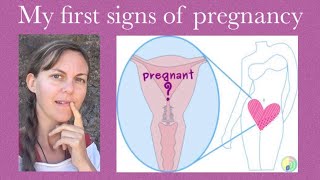
This video shares a personal pregnancy journey and explores how fertility awareness methods like Symptothermal can help identify fertile days, improve natural conception rates, and assist women, especially those with…

This video explains the 7 key signs of ovulation, teaching how to detect fertile days naturally, limit ovulation to a few days, and improve conception chances through cycle observation and diagnostics.





ᴾᴿᴼᴹᴼᵀᴵᴼᴺ
RT @tv_fertility: Can Ovulation Dreams help you to get Pregnant? See it in the Video: https://t.co/byjunSnoi6 #ovulation #fertility #nfp #c…
Can Ovulation Dreams help you to get Pregnant? See it in the Video: https://t.co/byjunSnoi6 #ovulation #fertility #nfp #cycle #menstruation
RT @tv_fertility: What do Breast Pain after Ovulation reveal? https://t.co/sO4Nrb7Wl7 #ovulation #fertility #pregnancywish #pregnant #nfp #…
What do Breast Pain after Ovulation reveal? https://t.co/sO4Nrb7Wl7 #ovulation #fertility #pregnancywish #pregnant #nfp #pain #cycle
Is Ovulation Pain - A Sure Sign of Ovulation? https://t.co/evzCZON8ao #ovulation #fertility #pregnancywish #cycle #awarness #nfp
... awareness trai- ning. Arch Gynecol Obstet (online) 17. Februar 2017, http://link.springer.com/ar- ticle/10.1007/s00404–017–4294-z. MEDIZINREPORT.
(2017) 295:1015–24. for epidemiological research. Paediatr Perinat Epidemiol. (2006) 20:3–12. doi: 10.1007/s00404-017-4294-z doi: 10.1111/j.1365-3016.2006 ...
10.1007/s00404-017-4294-z. Boyle, Phil C et al. “Healthy Singleton Pregnancies From RestoraBve ReproducBve Medicine (RRM) After Failed. 403.