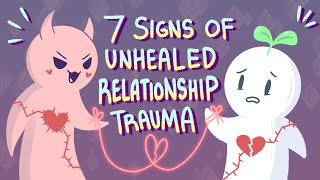
https://t.co/f13O4bUXPT Contractor, A. A., Weiss, N. H., Dranger, P., Ruggero, C., & Armour, C. (2017). PTSD's risky behavior criterion: Relation with DSM-5 PTSD symptom clusters and psychopathology. Psychiatry research, 252, 215–222. https://t.co/XdEro0CWUd https://t.co/P40MvRnGQQ
PTSD's risky behavior criterion: Relation with DSM-5 PTSD symptom clusters and psychopathology.
Mentions
Extended reach
Total likes
Video views
Mentions per month
Aug 2020 – Aug 2025Where it's discussed
-
YouTube5 videos
-
X / Twitter1 posts
AI synopsis
What people are saying
The discussions reflect a strong interest in how the inclusion of risky behaviors in PTSD criteria can deepen understanding of trauma responses, with comments highlighting the study's potential to inform targeted treatments. The tone is analytical yet optimistic, using phrases like 'significant insight' and 'could change how we approach PTSD,' which suggests considered engagement and recognition of the article's meaningful contributions.
Most discussions acknowledge the importance of including reckless and self-destructive behaviors in understanding PTSD, aligning generally with the article's findings.
Social discussions demonstrate high curiosity about how risky behaviors relate to PTSD severity and other mental health issues.
Participants reference specific aspects of the study, such as the correlation between E2 and depression or anger, showing moderate depth of engagement.
The discussions emphasize that recognizing risky behaviors could improve diagnosis and treatment, indicating a perceived moderate influence on clinical practices.
Abstract in brief
- The study examines the new PTSD symptom criterion (reckless and self-destructive behaviors, E2) added in DSM-5, exploring its relationship with other PTSD symptoms and related mental health issues.
- Findings show that trauma survivors who endorse the E2 criterion experience more severe PTSD, depression, rumination, and anger, but have lower distress tolerance, highlighting the significance of risky behaviors in posttraumatic distress.
- The results suggest that recognizing reckless and self-destructive behaviors can help identify individuals with greater psychological difficulties and can inform targeted treatment strategies.]
Top posts
Most liked on X and BlueskyAll mentions
Understanding Unhealed Relationship Trauma and Its Effects
Unhealed relationship trauma is deeper than mere relationship challenges. It involves significant fear and ongoing stress, leading to worsening effects over time. This video discusses the signs of trauma and aims to…
Understanding Post-Traumatic Stress Disorder Symptoms and Treatment
This video explores post-traumatic stress disorder (PTSD), a mental health condition that can develop after experiencing a traumatic event. It covers symptoms such as flashbacks and anxiety, along with effective…
7 Способов, Как Проявляются Незажившие Травмы В Отношениях
Understanding Unhealed Relationship Trauma and Its Effects
Unhealed relationship trauma is far deeper than just being relationship challenged. It involves ongoing fear and powerlessness, significantly impacting mental health. This video aims to raise awareness of relationship…
Understanding Unhealed Relationship Trauma and PTSD
How do I know I'm traumatized? Unhealed relationship trauma goes beyond simple relationship challenges. This video explores the profound effects of trauma, including symptoms akin to PTSD, and highlights the importance…
https://t.co/f13O4bUXPT Contractor, A. A., Weiss, N. H., Dranger, P., Ruggero, C., & Armour, C. (2017). PTSD's risky behavior criterion: Relation with DSM-5 PTSD symptom clusters and psychopathology. Psychiatry research, 252, 215–222. https://t.co/XdEro0CWUd https://t.co/P40MvRnGQQ