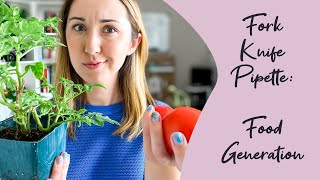
How can inedible biomass and plastics be turned into edible protein? @AlexDainis's new YouTube series "Fork, Knife, Pipette" investigates @BIOENGatIL professor Ting Lu's research that earned this year's Future Insight Prize
Microbial enzymes for the recycling of recalcitrant petroleum-based plastics: how far are we?
Mentions
Extended reach
Total likes
Video views
Mentions per month
Aug 2021 – Oct 2024Where it's discussed
-
News17 articles
-
YouTube9 videos
-
Blogs8 articles
-
X / Twitter3 posts
-
Facebook3 posts
AI synopsis
What people are saying
Discussions focus on innovative ideas like converting inedible biomass and plastics into edible protein, referencing research breakthroughs and new technology, which reflects moderate enthusiasm and curiosity. The tone is exploratory and optimistic without strong opinions or calls for action, showing a general interest in the scientific advancements.
Posts show curiosity and acknowledgment of the research but do not strongly endorse or criticize it.
Discussions reveal moderate interest with curiosity about transforming biomass and plastics into food sources.
Users engage by referencing related research and technology, indicating some involvement but not deep debate.
The discussions are more exploratory and educational rather than indicating a major breakthrough or high-impact change.
Top posts
Most liked on X and BlueskyIt's that wonderful time of year when tomatoes taste as great as they ever will. But what if you could eat the stems & leaves, too? The food generator aims to make inedible biomass into protein. #biomass #bacteria #biology @STechtmann @emdgroup @AlexDainis https://t.co/t9ofKHEkM0
All mentions
Transforming Biomass and Plastic into Edible Protein Potential
Microbial Enzymes in Recycling Persistent Petroleum Plastics Progress and Challenges
This video discusses the use of microbial enzymes in recycling recalcitrant petroleum-based plastics, exploring current advancements, challenges, and the potential for sustainable plastic waste management.
Advances in Microbial Enzymes for Recycling Recalcitrant Petroleum Plastics
This video discusses recent progress in using microbial enzymes to recycle persistent petroleum-based plastics, highlighting current challenges and potential solutions for sustainable plastic waste management.
Progress in Microbial Enzymes for Recycling Recalcitrant Petroleum Plastics
This video discusses the current state of microbial enzymes in recycling stubborn petroleum-based plastics, highlighting recent advances and ongoing research efforts to address plastic waste persistence.
Advances in Microbial Enzymes for Recycling Recalcitrant Petroleum Plastics
This video discusses the potential of microbial enzymes in recycling persistent petroleum-based plastics, exploring current progress and future challenges in breaking down durable plastic waste.
Microbial Enzymes for Recycling Recalcitrant Petroleum-Based Plastics
This video discusses the potential of microbial enzymes in recycling persistent petroleum-based plastics, highlighting recent advancements and the current state of research in biodegradation techniques.
Microbial enzymes for the recycling of recalcitrant petroleum‐based plastics: how far... | RTCL.TV
Microbial Enzymes for Recycling Recalcitrant Petroleum-Based Plastics
Microbial enzymes are being explored for recycling stubborn petroleum-based plastics like PET and polystyrene. This video reviews current advancements and research efforts to improve sustainable plastic waste management.
Microbial enzymes for the recycling of recalcitrant petroleum‐based plastics: how far... | RTCL.TV
RT @uofigrainger: How can inedible biomass and plastics be turned into edible protein? @AlexDainis's new YouTube series "Fork, Knife, Pipe…
How can inedible biomass and plastics be turned into edible protein? @AlexDainis's new YouTube series "Fork, Knife, Pipette" investigates @BIOENGatIL professor Ting Lu's research that earned this year's Future Insight Prize
It's that wonderful time of year when tomatoes taste as great as they ever will. But what if you could eat the stems & leaves, too? The food generator aims to make inedible biomass into protein. #biomass #bacteria #biology @STechtmann @emdgroup @AlexDainis https://t.co/t9ofKHEkM0