The pharmacological and non-pharmacological treatment of attention deficit hyperactivity disorder in children and adolescents: A systematic review with network meta-analyses of randomised trials.
Overall, there is a positive outlook on combining behavioral therapy with medications, supported by phrases like 'significantly effective,' while participants also discuss limitations and future directions, such as the lack of evidence for neurofeedback. The tone and choice of words suggest genuine interest and a desire for improved treatment strategies, contributing to moderate but meaningful impact.
AgreementModerate agreement
Most discussions acknowledge the findings that behavioral therapy combined with pharmacological treatments are effective, showing general support for the publication's conclusions.
InterestHigh interest
The posts demonstrate high curiosity about non-pharmacological options like neurofeedback, diet, and psychotherapy, indicating strong engagement with the topic.
EngagementModerate engagement
Posts reference specific treatment types, compare efficacy, and mention the need for further evidence, reflecting thoughtful interaction with the research.
ImpactModerate impact
Discussions highlight the importance of evidence-based approaches and emphasize practical concerns such as reducing medication use, signaling moderate influence of the findings.
Abstract in brief
ADHD is a widely diagnosed childhood psychiatric disorder, and this study aims to compare the effectiveness and safety of various treatments including pharmacological, psychological, and alternative medicine approaches for children and adolescents.
A systematic review and network meta-analysis was conducted, reviewing 190 randomized controlled trials involving over 26,000 participants, focusing on different types of interventions and their outcomes in terms of efficacy and acceptability.
Findings indicate that behavioral therapy (especially when combined with stimulants), as well as stimulants and non-stimulants, are more effective than placebo, with behavioral therapy plus stimulants showing the highest effectiveness compared to other treatments.
12月5日の京都エビデンス精神医療研究会、批判的吟味で取り上げる論文です。
子どものADHDに対する薬物療法と非薬物療法:ネットワーク・メタアナリシス#PLOSONE: The pharmacological and non-pharmacological treatment of attention deficit hyperactivity disorder i ... https://t.co/433mSt9UVD
Nov 25, 2019 · 1 like · 3,053 followersView post →
MM
M. Mamajón
@MMamajon · X
@HelpTDAH @abc_familia No se dispone de suficiente evidencia para avalar la eficacia de neurofeedback en tto del TDAH.
https://t.co/geMrRfAwhr
Estaría muy bien reducir la medicación en niños con TDAH pero con técnicas que gocen de evidencia suficiente ¿Más psicoterapia y psicoeducación quizás?
Jan 18, 2019 · 1 like · 1,648 followersView post →
This video provides a concise overview of neurofeedback as a treatment for ADHD, discussing current scientific evidence and practical applications based on recent research.
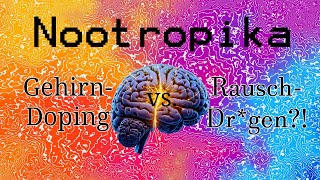
This video explores nootropics, substances that enhance brain performance, and distinguishes between brain doping, recreational drugs, and their ties to hustle culture and capitalism. It also discusses the industry and…
La terapia conductual se ubica como la única terapia no farmacológica que muestra resultados estadísticamente significativos y se sobrepone a la terapia cognitiva, neurofeedback y terapia dietética (Catala-López et al, 2017)
https://t.co/tEuBfkifRV
12月5日の京都エビデンス精神医療研究会、批判的吟味で取り上げる論文です。
子どものADHDに対する薬物療法と非薬物療法:ネットワーク・メタアナリシス#PLOSONE: The pharmacological and non-pharmacological treatment of attention deficit hyperactivity disorder i ... https://t.co/433mSt9UVD
Nov 25, 2019 · 1 like · 3,053 followersView post →
The pharmacological and non-pharmacological treatment of attention deficit hyperactivity disorder in children and a… https://t.co/6jWRjmdkpu
全体の雰囲気を知るのにネットワークメタを見てしまう
@HelpTDAH @abc_familia No se dispone de suficiente evidencia para avalar la eficacia de neurofeedback en tto del TDAH.
https://t.co/geMrRfAwhr
Estaría muy bien reducir la medicación en niños con TDAH pero con técnicas que gocen de evidencia suficiente ¿Más psicoterapia y psicoeducación quizás?
Jan 18, 2019 · 1 like · 1,648 followersView post →
N
The Connection Between POPs and Metabolic Syndrome | IFM
News
doi:10.1371/journal.pone.0145818. De Tata V. Association of dioxin and other ... doi:10.1186/s12940-018-0355-4. Sunderland EM, Hu XC, Dassuncao C ...
 R
 こ全
 坂P
 MM
 S
 栗コ

 O
 デ喪
 だ
 た終
 べ
 P
 凍
 し
 こ
 蓮
 テ
 エ如
 T許
 ソA
 青Q
 三
 R
 PR
 と
 IY
 詩
 づ
 けつ
 い
 N発
 ア
 み
 H
 カワ
 え
 あ
 K
 地麻
 低か
 ねと
 の
 MM
 A
 う
 か
 て
 ア
 龍ハ
 TI
 神
 赤
 H
 ち
 轆
 てU
 L探
 ?
 N
 コ贋
 R日
 奥
 ハZ
 N
 ほ