R. L. Muylaert
@muymaps · X
@ggarbino ATLANTIC BATS: https://t.co/s1GpxBQpHx @ggarbino
Aug 8, 2021 · 1,008 followers
View post →
Mentions
Extended reach
Total likes
Video views
AI synopsis
Several discussions highlight the richness of bat species and their ecological roles, with comments like 'important data on bat diversity' and 'useful for ecological conservation.' The tone varies from informational to mildly inquisitive, with some acknowledging the dataset's relevance but not emphasizing transformative change, which aligns with the moderate interest and engagement scores.
The posts do not show strong disagreement or full agreement, indicating neutral or mixed opinions about the publication.
The discussions express some curiosity about the dataset and its ecological significance, reflecting moderate interest.
Posts cite specific data points and discuss implications, suggesting an active but not deeply analytical engagement.
The overall tone suggests awareness but not a perception of substantial practical impact from the publication.
@ggarbino ATLANTIC BATS: https://t.co/s1GpxBQpHx @ggarbino

The dataset compiles 8,320 records of plant-frugivore interactions in the Atlantic Forest, involving 331 vertebrate species and 788 plant species, with detailed traits such as fruit/seed size and animal gape and body…
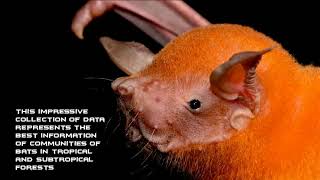
ATLANTIC BATS compiles data from 135 studies across 205 sites in the Atlantic Forest, documenting over 98 bat species. Bats are vital for pollination, seed dispersal, and pest control, but also carry numerous viruses…

This video presents a dataset of plant-frugivore interactions in the Atlantic Forest, including 8,320 records involving 331 vertebrate and 788 plant species. It highlights seed dispersal by terrestrial mammals and…
@ggarbino ATLANTIC BATS: https://t.co/s1GpxBQpHx @ggarbino