The overall tone shows interest in the idea that physical exercise could alleviate ADHD symptoms, exemplified by comments like 'reduction in opportunity for sustained physical activity...may have contributed to my symptomatic ADHD,' and references to studies indicating that exercise improves attention. The tone is conversational, personal, and somewhat speculative, which explains the moderate scores in interest and engagement while acknowledging the potential significance of the research.
AgreementModerate agreement
Most posts acknowledge the potential benefits of exercise for managing ADHD, with some explicitly noting that physical activity can improve attention and symptoms.
InterestHigh interest
Posts show high curiosity about the role of exercise in treating ADHD, especially considering personal experiences and the potential impact of reduced activity due to lockdowns.
EngagementModerate engagement
Participants demonstrate moderate engagement by sharing personal opinions and referencing studies, but overall discussions remain relatively surface-level without deep analysis.
ImpactModerate impact
The discussions reflect a modest recognition that this research could influence personal strategies and broader approaches to managing ADHD, but it hasn't yet led to widespread changes.
Abstract in brief
This systematic review explores the potential benefits of exercise as a management strategy for children and adolescents with ADHD, highlighting that physical activity can alleviate cognitive, behavioral, and physical symptoms.
The review analyzed 30 studies, finding consistent evidence that both short-term and long-term exercise interventions, especially mixed exercise programs, provide clinical benefits without adverse effects.
The authors suggest that moderate-intensity aerobic exercise is particularly effective and well tolerated, but call for more large-scale research to determine the best exercise protocols for treating ADHD.
@mrgxprz @Eris_Lepoil Y a des études qui montrent que ça améliore l’attention chez des enfants hyperactifs (https://t.co/Zrbm3E3Tjm).
A titre personnel (non TDAH), ça a tendance à me donner des idées et prendre mon temps dessus, prendre du temps à penser/organiser mon planning...
Jul 5, 2020 · 1 like · 17,496 followersView post →
PJ
PF|JL
@pallflowers517 · X
Is Physical Exercise Beneficial in Treating ADHD? https://t.co/fKoLUA4boD via @YouTube
So you're saying reduction in opportunity for sustained physical activity during forced lockdowns actually may have contributed to my symptomatic ADHD
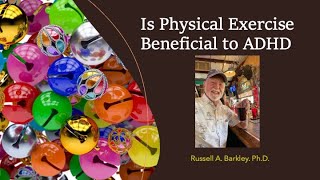
For related material see my books Taking Charge of ADHD and Taking Charge of Adult ADHD. This video reviews research showing aerobic exercise benefits children and teens with ADHD by improving executive functions…
This video explores the neurological reasons behind why self-care feels overwhelming and why emotional responses can be intense for individuals with ADHD. It discusses interoception and its effects, backed by evidence…
Is Physical Exercise Beneficial in Treating ADHD? https://t.co/5S37TvZW0n via @YouTube
So you're saying reduction in opportunity for sustained physical activity during forced lockdowns actually may have contributed to my symptomatic ADHD
Is Physical Exercise Beneficial in Treating ADHD? https://t.co/fKoLUA4boD via @YouTube
So you're saying reduction in opportunity for sustained physical activity during forced lockdowns actually may have contributed to my symptomatic ADHD
@mrgxprz @Eris_Lepoil Y a des études qui montrent que ça améliore l’attention chez des enfants hyperactifs (https://t.co/Zrbm3E3Tjm).
A titre personnel (non TDAH), ça a tendance à me donner des idées et prendre mon temps dessus, prendre du temps à penser/organiser mon planning...
Jul 5, 2020 · 1 like · 17,496 followersView post →
 FM