The collection demonstrates interest and engagement through comments about using the research for educational purposes and reflecting on societal issues; phrases like 'we need neuroendocrinologists' and appreciation for the video highlight that the discussion emphasizes both scientific understanding and social relevance.
AgreementNeither agree nor disagree
The posts reflect mixed reactions, with some recognizing the importance of understanding chronic stress effects, while others express concern about societal implications rather than strict scientific agreement.
InterestModerate interest
Most posts indicate a moderate interest, especially highlighted by the enthusiastic mention of educational efforts like a well-done SciShow video.
EngagementModerate engagement
Posts show a moderate level of engagement, with one discussing research for programming on resilience and others referencing the broader societal implications of dehumanization.
ImpactModerate impact
The discussions suggest that the article influences thoughts on societal empathy, resilience, and the importance of scientific education, though not necessarily translating to immediate action.
Abstract in brief
Chronic stress affects the human brain by damaging key areas like the hippocampus, amygdala, and frontal cortex, which are important for memory and emotional regulation, with evidence showing reduced hippocampal volume due to long-term stress.
Stress hormones can have neurotoxic effects on the brain, but early life adversity and social stress can also make individuals more vulnerable to stress later in life, impacting brain development and function.
Recent models suggest that early intervention strategies might help counteract the negative effects of chronic stress, potentially protecting brain health and improving resilience to stress-related damage.
Doing some research on the effects of chronic stress on the brain this morning for some programming we're doing on resilience in movement building, and whew, we need neuroendocrinologists talking about the impacts of what we're all living through on long & short term brain function.
We can heal but
The more we learn about the effects of chronic stress on the body, the more obviously inhumane it is.
I honestly feel like some aspect of the reactionary dehumanizing of others and killing of their own empathy is just... It becoming less able to ignore without becoming a full supremacist.
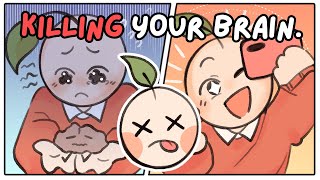
In this video, we discuss seven harmful habits that can harm brain cells and impact mental health. These everyday behaviors may seem harmless but can have serious long-term effects on brain function and resilience.
Chronic stress damages key brain areas such as the hippocampus, amygdala, and frontal cortex, affecting memory and emotional regulation. Early intervention may help mitigate these effects and enhance resilience to…
Discover how chronic stress accelerates aging by affecting telomeres and increasing inflammation. Learn evidence-based strategies like mindfulness, physical activity, sleep, and nutrition to slow down cellular aging and…
Chronic stress can lead to neuroinflammation and depression by disrupting immune and brain functions, particularly involving the HPA axis, cytokines, and glial cells. This overview explores related mechanisms and…
The more we learn about the effects of chronic stress on the body, the more obviously inhumane it is.
I honestly feel like some aspect of the reactionary dehumanizing of others and killing of their own empathy is just... It becoming less able to ignore without becoming a full supremacist.
Doing some research on the effects of chronic stress on the brain this morning for some programming we're doing on resilience in movement building, and whew, we need neuroendocrinologists talking about the impacts of what we're all living through on long & short term brain function.
We can heal but