Discussions frequently reference scientific studies and reputable sources, such as the 2018 study in the Journal of the American Heart Association and articles from Shape Magazine, emphasizing the protective effects of tea on HDL cholesterol. The tone combines factual references with casual suggestions like replacing coffee with tea, reflecting both interest and moderate engagement.
AgreementModerate agreement
Most posts support the findings that tea consumption can positively influence HDL cholesterol levels, citing additional studies and authoritative sources.
InterestHigh interest
The discussion highlights a high level of interest in health benefits of tea, with references to well-known publications and studies.
EngagementModerate engagement
Posts mention specific research details and suggest lifestyle changes, indicating thoughtful engagement beyond surface-level reactions.
ImpactModerate impact
While the comments acknowledge the potential health implications, the overall tone suggests moderate influence rather than urgent societal change.
Abstract in brief
The study investigates the relationship between tea consumption and changes in HDL cholesterol levels in people aged 49 on average over a 6-year period.
It found that higher tea consumption is linked to a slower decrease in HDL cholesterol, particularly in men, older adults, those with lower lifestyle scores, and individuals with metabolic syndrome.
The findings suggest that drinking tea may have a protective effect on HDL cholesterol as people age.
Is #coffee not your cup of #tea? That may be a good thing! Tea has shown to significantly lower "bad" #cholesterol and improves cardiac health. Maybe next study break make a cup of tea, not coffee! #biom4180
https://t.co/QiBAFA495K https://t.co/oseSM68JPb
Feb 1, 2021 · 4 likes · 1 share · 60 followersView post →
NW
Nuala Woulfe
@Nuala_Woulfe · X
A 2018 study in the Journal of the American Heart Association found that green tea appears to slow the natural decrease in high-density lipoprotein cholesterol (HDL), which is often referred to as "good” cholesterol, as a person ages. #greentea #health https://t.co/Ojq0Vdwgvk
Shape Magazine recently published a article titled 3 Power Foods You Need in which they covered a Penn State Nutritional Sciences study of tea and HDL cholesterol published by Shue Huang, Greg Shearer, and Xiang Gao.
The study can be found at: https://t.co/5RKWA51c7C https://t.co/2JHJF0NoSY
This video explores how tea consumption impacts HDL cholesterol levels over six years, showing that higher tea intake is associated with a slower decline, especially in men, older adults, and those with metabolic…
Discover seven drinks that can lower high blood pressure and improve heart health by unclogging arteries. These beverages support healthy cholesterol levels and may offer protective effects as you age, contributing to a…
A 2018 study in the Journal of the American Heart Association found that green tea appears to slow the natural decrease in high-density lipoprotein cholesterol (HDL), which is often referred to as "good” cholesterol, as a person ages. #greentea #health https://t.co/Ojq0Vdwgvk
Shape Magazine recently published a article titled 3 Power Foods You Need in which they covered a Penn State Nutritional Sciences study of tea and HDL cholesterol published by Shue Huang, Greg Shearer, and Xiang Gao.
The study can be found at: https://t.co/5RKWA51c7C https://t.co/2JHJF0NoSY
Is #coffee not your cup of #tea? That may be a good thing! Tea has shown to significantly lower "bad" #cholesterol and improves cardiac health. Maybe next study break make a cup of tea, not coffee! #biom4180
https://t.co/QiBAFA495K https://t.co/oseSM68JPb
Feb 1, 2021 · 4 likes · 1 share · 60 followersView post →
 SB
SB NW
NW NS
NS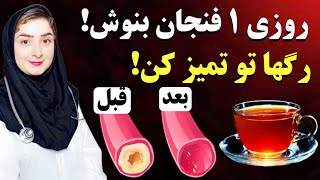

 KJ
KJ