 M
maz
@dynamicsoar · X
言いづらいんですが誤解が広まるのもどうかと思うのでエアリプするとトンボは後ろにも進めると一般に言われていると思いますし実際それを扱った羽ばたき&空気力学の研究例もありますね https://t.co/dvoBKYJbx8 まぁ体座標系で見れば後ろというか背側方向だけども
Mar 24, 2022 · 4 likes · 3 shares · 2,411 followers
View post →
Mentions
Extended reach
Total likes
Video views
AI synopsis
Discussions highlight curiosity and appreciation for the complexity of insect flight, exemplified by comments like 'more complex than I had guessed' and references to scientific fields such as 'entomology' and 'kinetics.' The tone varies from casual observations to scientific curiosity, reflecting moderate engagement and recognition of the study's relevance.
The discussions show a mixed response, with some users recognizing the significance of understanding dragonfly flight but not expressing strong disagreements or support.
The discussions reveal a mild curiosity, especially from users who mention trying to imagine or study the flight mechanics.
People show active engagement through detailed comments, such as imagining insect flight mechanics and referencing scientific interests.
Overall, the conversations suggest a moderate acknowledgment of the importance of the research but without overwhelming consensus on its revolutionary impact.
言いづらいんですが誤解が広まるのもどうかと思うのでエアリプするとトンボは後ろにも進めると一般に言われていると思いますし実際それを扱った羽ばたき&空気力学の研究例もありますね https://t.co/dvoBKYJbx8 まぁ体座標系で見れば後ろというか背側方向だけども
I was trying to imagine the mechanics of flight for this damselfly that I took a picture of and it is more complex than I had guessed. https://t.co/kIlHkgSpRw #entimology #kinetics #insects #flight https://t.co/oOINpUNDjE
RT @dynamicsoar: 言いづらいんですが誤解が広まるのもどうかと思うのでエアリプするとトンボは後ろにも進めると一般に言われていると思いますし実際それを扱った羽ばたき&空気力学の研究例もありますね https://t.co/dvoBKYJbx8 まぁ体座標系で見れば後…
RT @dynamicsoar: 言いづらいんですが誤解が広まるのもどうかと思うのでエアリプするとトンボは後ろにも進めると一般に言われていると思いますし実際それを扱った羽ばたき&空気力学の研究例もありますね https://t.co/dvoBKYJbx8 まぁ体座標系で見れば後…

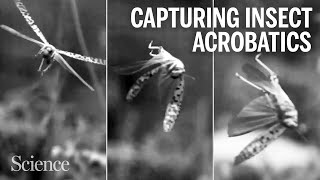
This video explores advanced techniques for recording insect flight in the field, including new tracking systems and drone integration. It highlights the mechanics of insect backward flight, wing adjustments, and…
RT @dynamicsoar: 言いづらいんですが誤解が広まるのもどうかと思うのでエアリプするとトンボは後ろにも進めると一般に言われていると思いますし実際それを扱った羽ばたき&空気力学の研究例もありますね https://t.co/dvoBKYJbx8 まぁ体座標系で見れば後…
RT @dynamicsoar: 言いづらいんですが誤解が広まるのもどうかと思うのでエアリプするとトンボは後ろにも進めると一般に言われていると思いますし実際それを扱った羽ばたき&空気力学の研究例もありますね https://t.co/dvoBKYJbx8 まぁ体座標系で見れば後…
RT @dynamicsoar: 言いづらいんですが誤解が広まるのもどうかと思うのでエアリプするとトンボは後ろにも進めると一般に言われていると思いますし実際それを扱った羽ばたき&空気力学の研究例もありますね https://t.co/dvoBKYJbx8 まぁ体座標系で見れば後…
言いづらいんですが誤解が広まるのもどうかと思うのでエアリプするとトンボは後ろにも進めると一般に言われていると思いますし実際それを扱った羽ばたき&空気力学の研究例もありますね https://t.co/dvoBKYJbx8 まぁ体座標系で見れば後ろというか背側方向だけども
I was trying to imagine the mechanics of flight for this damselfly that I took a picture of and it is more complex than I had guessed. https://t.co/kIlHkgSpRw #entimology #kinetics #insects #flight https://t.co/oOINpUNDjE
 AD
 KK
 AK
 C