 SP
SP M
M P
P2024_Diaz_etal_2024_JPR | PDF | Polymerase Chain Reaction ...
News
organism of diarrhetic shellfish poisoning. Bull. Jpn. Soc. Sci. Fish., 46, https://doi.org/10.1016/j.hal.2018.08.001.
Dec 17, 2025
View →
Mentions
Extended reach
Total likes
Video views
AI synopsis
The posts mainly echo the publication's title, with minimal elaboration or enthusiastic commentary, which reflects low levels of interest and engagement. The tone is neutral or dismissive, such as posts simply repeating the research focus repeatedly without further discussion or critique.
The discussions show no clear consensus; some posts acknowledge the importance of the research, while others remain indifferent or dismissive.
The posts exhibit limited curiosity, with many simply restating the publication without deeper analysis.
Few discussions delve into scientific details or implications, indicating superficial engagement.
Overall, the social discussions do not suggest a significant influence or transformative perception of the study.
Molecular Investigation of the Ciliate Spirostomum semivirescens, with First Transcriptome and New Geographical Records. https://t.co/S2ntKSkv1I
RT @protistologists: Molecular Investigation of the Ciliate Spirostomum semivirescens, with First Transcriptome and New Geographical Record…


The giant ciliate Spirostomum semivirescens with green symbiotic algae was collected from an oxygen-depleted freshwater fen in England. This study provides the first molecular data and transcriptome analysis, revealing…

This study presents the first molecular data and transcriptome analysis of the freshwater ciliate Spirostomum semivirescens, revealing its close relation to S minus and its symbiotic algae. It also discusses its…
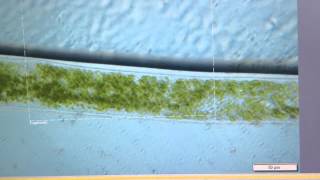
The study presents the first molecular data and transcriptome analysis of Spirostomum semivirescens, revealing its relationship with green algae related to Chlorella vulgaris and adaptations for surviving in…
Molecular Investigation of the Ciliate Spirostomum semivirescens, with First Transcriptome and New Geographical Records. https://t.co/i14dzim8A8
Molecular Investigation of the Ciliate Spirostomum semivirescens, with First Transcriptome and New Geographical Records. https://t.co/S2ntKSkv1I
RT @protistologists: Molecular Investigation of the Ciliate Spirostomum semivirescens, with First Transcriptome and New Geographical Record…
organism of diarrhetic shellfish poisoning. Bull. Jpn. Soc. Sci. Fish., 46, https://doi.org/10.1016/j.hal.2018.08.001.
... 10.1016/j.tcb. 2023.05.004 Direct activation of transcription ... 2018.08.001 OPEN •Multiple transcription factors can modulate ...