 佐
佐川博史
@biomech_clinic · X
膝のねじれだけが膝への負荷ではなく、軽く30を超える要素が影響して膝への負荷が変わってきます。 何かひとつが良くても他が悪くなるということも起こります。 https://t.co/EDfOFV52vt
Jul 17, 2020 · 3 likes · 991 followers
View post →
Mentions
Extended reach
Total likes
Video views
AI synopsis
Discussions reflect a cautious appreciation for the article's exploration of knee instability assessment, with certain posts noting that the review emphasizes the need for standardization and better measurement techniques. The tone is analytical but restrained, with phrases like 'important issues' and 'recognizing the need' indicating acknowledgment rather than strong advocacy or disagreement.
Most discussions seem to agree that the publication highlights important issues with current methods for assessing knee stability, although some express skepticism about its conclusiveness.
Tweets show moderate interest, with commenters noting the significance of understanding knee instability but not expressing intense passion or excitement.
Comments generally reflect surface-level engagement; they acknowledge the ideas without deep discussion or critique.
The overall perceived impact appears limited, as discussions recognize the study's importance but do not suggest immediate or widespread changes in practice.
膝のねじれだけが膝への負荷ではなく、軽く30を超える要素が影響して膝への負荷が変わってきます。 何かひとつが良くても他が悪くなるということも起こります。 https://t.co/EDfOFV52vt
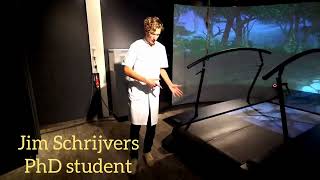
Jim Schrijvers utilized the GRAIL system to evaluate knee joint instability during gait perturbations in osteoarthritis patients, aiming to develop objective assessment methods for knee instability during movement.
膝のねじれだけが膝への負荷ではなく、軽く30を超える要素が影響して膝への負荷が変わってきます。 何かひとつが良くても他が悪くなるということも起こります。 https://t.co/EDfOFV52vt