JohnCappello
@JohnCappello · X
MOA of icosapent ethyl, discussed $AMRN https://t.co/W2RSD1pVmd
Jun 27, 2019 · 8 likes · 2 shares · 853 followers
View post →
Mentions
Extended reach
Total likes
Video views
AI synopsis
The collective discussions emphasize the importance of understanding the molecular mechanisms by which EPA affects heart health, with mentions of specific aspects like MOA and trial results, demonstrating both curiosity and support for the research findings. The tone is analytical and somewhat anticipatory about how this knowledge might influence treatment and supplement use.
Most discussions align with the idea that omega-3 fatty acids, especially EPA, play a significant role in cardiovascular health and that understanding their mechanisms is important, supporting the article's focus.
Participants show moderate interest by referencing mechanisms like MOA (mechanism of action) and specific trials, indicating they find the topic relevant but not exceedingly urgent or controversial.
Posts include mentions of molecular mechanisms, trial data, and potential implications, reflecting a moderate level of in-depth discussion and curiosity about the research.
The discussions suggest an awareness of the research's relevance to clinical practice and supplement use, hinting at a moderate recognition of its broader significance.
MOA of icosapent ethyl, discussed $AMRN https://t.co/W2RSD1pVmd
RT @JohnCappello: MOA of icosapent ethyl, discussed $AMRN https://t.co/W2RSD1pVmd
Cardiovascular, electrophysiologic, and hematologic effects of omega-3 fatty acids beyond reducing hypertriglyceridemia: as it pertains to the recently published REDUCE-IT trial. https://t.co/fqIbnc3V35
(285) 2 Supplements for HEART ATTACK
RT @JohnCappello: MOA of icosapent ethyl, discussed $AMRN https://t.co/W2RSD1pVmd
2 Supplements for HEART ATTACK

This video examines evidence from meta-analysis studies on folic acid and B vitamins' role in reducing stroke and cardiovascular risks, highlighting their potential benefits for heart health and disease prevention.
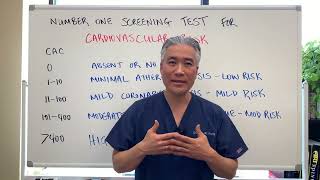
This video explores the link between avocado consumption and cardiovascular health. A 30-year study revealed that two or more servings of avocado per week can reduce the risk of cardiovascular disease by 16%. Learn…
2 Supplements for HEART ATTACK
(285) 2 Supplements for HEART ATTACK
Cardiovascular, electrophysiologic, and hematologic effects of omega-3 fatty acids beyond reducing hypertriglyceridemia: as it pertains to the recently published REDUCE-IT trial. https://t.co/fqIbnc3V35
RT @JohnCappello: MOA of icosapent ethyl, discussed $AMRN https://t.co/W2RSD1pVmd
RT @JohnCappello: MOA of icosapent ethyl, discussed $AMRN https://t.co/W2RSD1pVmd
MOA of icosapent ethyl, discussed $AMRN https://t.co/W2RSD1pVmd