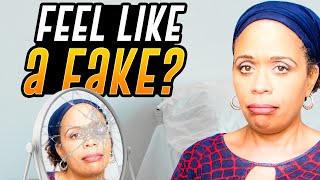
The overall discussion reflects a high level of agreement and engagement, with posts citing research like the study by Bravata et al. and noting the prevalence among women, minorities, and student populations, which underscores the importance and widespread relevance of the systematic review. The tone is largely informational and empathetic, emphasizing the social and psychological impact of impostor syndrome on diverse groups.
AgreementStrong agreement
Most discussions recognize the significance of the systematic review and the widespread prevalence of impostor syndrome, indicating strong alignment with its findings.
InterestHigh interest
The discussions demonstrate high curiosity, with participants sharing statistics, referencing studies, and highlighting the relevance across various social groups and professional settings.
EngagementHigh engagement
Many examples show deep engagement, such as citing specific research results, discussing implications for different populations, and debating the phenomenon's impact.
ImpactHigh impact
The discussions emphasize the importance of understanding impostor syndrome for mental health and workplace performance, suggesting these insights could influence policy and intervention strategies.
Abstract in brief
Impostor syndrome is a common mental health condition that affects people of all ages and backgrounds, especially minorities and professionals, and is linked to issues like depression, anxiety, burnout, and reduced job performance.
The research on impostor syndrome shows that its prevalence varies widely (9% to 82%) depending on how it's measured, but there is a lack of studies on effective treatments or interventions.
The existing studies are diverse and may have biases, highlighting the need for clinicians and employers to recognize and address impostor syndrome to support affected individuals.
5/ A safe learning climate means that team members are comfortable being vulnerable.
Imposter syndrome is prevalent in medicine:
https://t.co/dTbJJG2m5i
We should encourage team members to ask questions.
...And answer those questions.
Saying "look it up" is not always helpful https://t.co/jYzguBhHW3
Aqui: Bravata, D. M., Watts, S. A., Keefer, A. L., Madhusudhan, D. K., Taylor, K. T., Clark, D. M., ... & Hagg, H. K. (2020). Prevalence, predictors, and treatment of impostor syndrome: a systematic review. Journal of General Internal Medicine, 35(4), 1252-1275.
Mar 21, 2022 · 10 likes · 1,223 followersView post →
AQ
Abdullah Al Qurashi
@QurashiAbdula · X
للمزيد من المعلومات حول الأعراض ونسب الانتشار:
https://t.co/eqmdoerbRK
Some studies conclude that about 80% of graduate students suffer from Imposter Syndrome (DOI: 10.1007/s11606-019-05364-1)
If you've ever suffered from imposter syndrome or know someone who has, join in!
A supportive community to lift each other up can be the best help! https://t.co/SABVX1NYs9
@Kimayoi @seitenspringen Solche Gedanken passen zum "Impostor Syndrome". Manche Studien sehen von Selbstzweifeln dieser Art eher Frauen betroffen, andere nicht. In milden Formen und auf bestimmte Bereiche beschränkt (wie hier) ist das insgesamt ein sehr häufiges Phänomen. Vgl z.B: https://t.co/teCuXZXEfn
Dec 22, 2021 · 7 likes · 6,622 followersView post →
AG
Allison Golbach
@AllisonGPharmD · X
The first systematic review of literature was published in Dec 2019 which highlighted the need for additional studies to review IS management strategies.
Imposterism, perfectionism, and burnout often coexist, leading to anxiety and depression. This video provides definitions and suggests strategies for improvement. Join my Mental Wellness Community for support and…
Impostor Syndrome often leads to self-doubt, causing individuals to feel like frauds in their successful roles. This condition is linked to societal factors and affects particularly marginalized groups. Discover…
This video explains impostor syndrome, a feeling of being a fraud despite achievements. It highlights the importance of considering environmental influences, especially for marginalized groups, alongside individual…
Do you ever get that feeling that you just don't belong? This video explores imposter syndrome, the belief that your success is due to luck rather than skill. We discuss individual factors and advocate for examining how…
The impostor syndrome affects many by making them feel like frauds in their successful roles, attributing achievements to luck rather than skill. This video delves into the nature of impostor feelings, contextualizing…
This video explores the prevalence and predictors of Impostor Syndrome, highlighting insights from current research. It discusses treatment options that can help individuals manage these feelings of self-doubt and…
Impostor syndrome is a common experience for adults recently diagnosed as autistic. This video explores what it means and offers strategies for coping with autistic impostor syndrome, along with references for further…
This video explores the psychology of midlife confidence, addressing imposter syndrome and the spotlight effect. It highlights how we overestimate others' attention, allowing midlifers to embrace creativity and…
Ever wondered why you sometimes feel inadequate compared to others? This video explores the biases behind impostor syndrome, shedding light on its prevalence and predictors. We also discuss insights from various studies…
Imposter Syndrome refers to the persistent feeling of inadequacy despite accomplishments. This video features expert insights and practical strategies to conquer self-doubt, build confidence, and embrace your potential…
Have you ever felt like you did not belong or deserve your achievements? This video explores the phenomenon known as Imposter Syndrome, its prevalence, predictors, and effective ways to tackle the feelings associated…
The impostor syndrome manifests as feelings of fraudulence despite success. Current research explores the interplay between these feelings and environmental factors, urging a shift towards understanding broader…
In this episode, we discuss self-harm, self-esteem, and self-confidence, along with strategies to build oneself up and live fully. This weekly BDSM and kink-friendly information show features honest insights from…
The impostor syndrome is the feeling of being a fraud despite success. This video explores strategies to combat these feelings, emphasizing the environmental factors that contribute to impostor syndrome. Gain insights…
The 1LPC Podcast analyzes academic research on Impostor Syndrome, emphasizing its prevalence, predictors, and treatment. We highlight valuable work by students worldwide and aim to illuminate their findings. Explore the…
Feeling like a fraud is common among adults diagnosed with autism. This video discusses autistic impostor syndrome, its effects, and coping strategies. Tune in for insights and resources to better understand this…
@JBalderas20 @eudtoxic @carbemagall 1.- Prevalence, predictors, and treatment of impostor syndrome: a systematic review
2.- Impostor syndrome among physicians and physicians in training: a scoping review
3.-Contextualizing the impostor “syndrome”
4.- I—What is impostor syndrome?
Some studies conclude that about 80% of graduate students suffer from Imposter Syndrome (DOI: 10.1007/s11606-019-05364-1)
If you've ever suffered from imposter syndrome or know someone who has, join in!
A supportive community to lift each other up can be the best help! https://t.co/SABVX1NYs9
@maravilhoja and anxiety and is associated with impaired job performance, job satisfaction, and burnout among various employee populations including clinicians".
Fonte: https://t.co/WJpgN9expI
Imposter phenomena impact ~82% of people, & in every social sphere despite most research focusing on work & school settings. Historically marginalized groups are particularly vulnerable, & some environments may exacerbate it. https://t.co/9CyR1hRkrz
https://t.co/WbNQKYWQLY https://t.co/PFFJe6JozJ
Es un fenómeno psicológico que hace la personas sienta que nunca se encuentran a la altura de las circunstancias o que es incapaz de aceptar que merece lo que ha obtenido como fruto de su trabajo.
Pero tranquilo que 7 de cada 10 personas sufren lo sufren
https://t.co/nJ0B1IulNv
Bravata, D. M. et al. (2020). Prevalence, predictors, and treatment of impostor syndrome: a systematic review. Journal of General Internal Medicine, 35(4), 1252-1275.
Feenstra, S. et al. (2020). Contextualizing the impostor “syndrome”. Frontiers in psychology, 3206.
Impostor syndrome describes high-achieving individuals who, despite their objective successes, fail to internalize their accomplishments and have persistent self-doubt and fear of being exposed as a fraud or impostor
https://t.co/nDobdZqyQO /2
Evidently, #women, people from underrepresented minorities (#URMs), and #IMGs are more likely to experience this phenomenon ⚠️ (5/9)
https://t.co/dvwMXSm4xX
https://t.co/4dFVutfLLJ
Apr 19, 2022 · 1 like · 2,260 followersView post →
Aqui: Bravata, D. M., Watts, S. A., Keefer, A. L., Madhusudhan, D. K., Taylor, K. T., Clark, D. M., ... & Hagg, H. K. (2020). Prevalence, predictors, and treatment of impostor syndrome: a systematic review. Journal of General Internal Medicine, 35(4), 1252-1275.
Mar 21, 2022 · 10 likes · 1,223 followersView post →
TS
Titiat Scriptor
@titiatscriptor · X
@Kimayoi @seitenspringen Solche Gedanken passen zum "Impostor Syndrome". Manche Studien sehen von Selbstzweifeln dieser Art eher Frauen betroffen, andere nicht. In milden Formen und auf bestimmte Bereiche beschränkt (wie hier) ist das insgesamt ein sehr häufiges Phänomen. Vgl z.B: https://t.co/teCuXZXEfn
Dec 22, 2021 · 7 likes · 6,622 followersView post →
M
Maydrigo
@maydrigopsi · X
Clance & Imes. (1978). The imposter phenomenon in high achieving women: dynamics and therapeutic intervention. Psychother. Theory Res. Pract. 15:241.
Bravata et al. (2020). Prevalence, predictors, and treatment of impostor syndrome: a systematic review. J.G.I.M,35(4), 1252-1275
Seems like a hot topic so
Prevalence, Predictors, and Treatment of Impostor Syndrome: a Systematic Review
https://t.co/aHSXfRlTLj https://t.co/VcnYvOQxXQ
インポスター症候群のシステマティックレビュー論文によると、約半数の研究では男性よりも女性に見られる、という結果が出ていて、残りの半数の研究では性差はない、と出ている様子。
Prevalence, Predictors, and Treatment of Impostor Syndrome: a Systematic Review https://t.co/uNHej7zzvR
RT @IncludeHer_STEM: Women (and in particular BIPOC) are far more likely to suffer from #ImposterSyndrome, a feeling like they do not belon…
Feb 15, 2021 · 4 shares · 847 followersView post →
TH
Teri Hendricks
@sykrn86 · X
RT @IncludeHer_STEM: Women (and in particular BIPOC) are far more likely to suffer from #ImposterSyndrome, a feeling like they do not belon…
Feb 11, 2021 · 4 shares · 3,544 followersView post →
AD
Australian Democrats
@AustDems · X
RT @IncludeHer_STEM: Women (and in particular BIPOC) are far more likely to suffer from #ImposterSyndrome, a feeling like they do not belon…
Feb 11, 2021 · 4 shares · 2,228 followersView post →
I
IncludeHer
@IncludeHer_STEM · X
Women (and in particular BIPOC) are far more likely to suffer from #ImposterSyndrome, a feeling like they do not belong or are a fake. This can also result in attributing any success to external factors like "I was lucky", "I had help" etc
3/11
https://t.co/MX4NwiaJXT
Feb 10, 2021 · 6 likes · 4 shares · 371 followersView post →
LC
Lionel - Cent by Cent
@cent_by_cent · X
@ContrarianSaver I appreciate your point of view yet I wholeheartedly disagree. I invite you to read the following research and in the future when commenting on mental afflictions please take the time to consider the people impacted
https://t.co/Jch0jkbzPg
@perezanalaura @paubgood @santi_garza Un poquito viejo (creo que el original),y le falta data. Acá va una systematic review del año pasado para complementar: https://t.co/O82wTXlbk5
No parecen encontrar diferencias claras de prevalencias entre géneros
5/ A safe learning climate means that team members are comfortable being vulnerable.
Imposter syndrome is prevalent in medicine:
https://t.co/dTbJJG2m5i
We should encourage team members to ask questions.
...And answer those questions.
Saying "look it up" is not always helpful https://t.co/jYzguBhHW3
@AliceGreschkow Ja, ist es. Studie zB hier https://t.co/hBxr3OVgXy Etwas verbreiteter bei Frauen.
Aug 14, 2020 · 1 like · 7,157 followersView post →
AG
Allison Golbach
@AllisonGPharmD · X
The first systematic review of literature was published in Dec 2019 which highlighted the need for additional studies to review IS management strategies.
@FollowedbyHades Looked it up. Appears studies confirm my assumption that I imposter syndrome is prevalent amongst (ethnic minorities - black community) and does psychology damage
https://t.co/hLZiPkFGaG
Most U.S. adults have experienced “imposter syndrome” at least once in their careers.
Our experts encourage employers to be mindful of impostor syndrome when supporting career development: https://t.co/lX4wHfxCla https://t.co/gXCcOEc7vl
May 29, 2020 · 1 like · 3,162 followersView post →
Very excited for our recently published work with @crossoverhealth on #impostersyndrome. The first systematic review on the peer-reviewed medical literature surrounding the prevalence, predictors and treatment of imposter syndrome. @untoldcontent
https://t.co/c5aQ3bf2vq