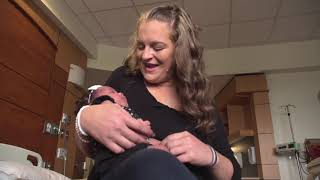
泣いている赤ちゃんをそのままにしておく技法 (‘cry it out’) が、その後の行動やアタッチメントの発達に与える影響を前向きに調査した実証研究。意外な結果だと思うか、当然の結果だと思うか。 J Child Psychol Psychiatry 。 https://t.co/CUHBR1pGKP
Parental use of 'cry it out' in infants: no adverse effects on attachment and behavioural development at 18 months.
Mentions
Extended reach
Total likes
Video views
Mentions per month
Mar 2020 – May 2025Where it's discussed
-
News134 articles
-
X / Twitter107 posts
-
YouTube3 videos
-
Facebook3 posts
-
Blogs3 articles
AI synopsis
What people are saying
Discussions around the article illustrate strong support for the conclusions drawn, with participants sharing phrases like 'great paper title that could help a lot of new parents' and citing similar findings from other studies, which conveys optimism and a desire to share helpful information. The language used, such as 'no adverse effects' and 'unlikely to have any detrimental effects,' suggests a reassuring tone that encourages parents to consider the 'cry it out' approach without guilt.
The majority of discussions reflect strong agreement with the study's findings, indicating that 'cry it out' methods do not harm attachment or development.
Participants show high enthusiasm and curiosity about the research, often including additional studies and resources.
Many posts engage deeply with the methodology and implications of the findings, reflecting concern for parenting techniques and their effects.
There is a consensus that this research can significantly influence parental approaches and expectations regarding sleep training.
Abstract in brief
- The study investigates the effects of the "cry it out" method on infant attachment and behavioral development up to 18 months, finding no adverse effects.
- It involved 178 infants, tracking parental decisions about letting infants cry and measuring attachment and development through various assessments at different ages.
- Results showed that although "cry it out" is used infrequently at first, increased usage correlates with decreased crying frequency and shorter fuss durations, indicating parents adapt their approaches as infants grow.
Top posts
Most liked on X and BlueskyNice paper and great paper title that could help a lot of new parents: Parental use of ‘cry it out’ in infants: no adverse effects on attachment and behavioural development at 18 months https://t.co/dMtLuqvlYQ
No adverse effects of attachment, behavioral development observed at 18 mos when parents use "cry it out" strategy for infant sleep. ($) https://t.co/9pOvtrAe9w
Parental use of ‘cry it out’ in infants: no adverse effects on #attachment and behavioural development at 18 months (2020) By @DrAytenBilgin & Dieter Wolke https://t.co/oHJCWEaSNk https://t.co/ViIF6A91w4
Parental use of ‘cry it out’ in infants: no adverse effects on #attachment and behavioural development at 18 months By @DrAytenBilgin and Dieter Wolke https://t.co/oHJCWEaSNk #openaccess https://t.co/tZeul4208I
英語得意でないので誤りあるかも。泣いている赤ちゃんを泣きっぱなしのままある程度放置する子育て法に関する調査。生後3ヶ月までに放置を混ぜた場合、18か月時での泣き出した時の収まる時間が短縮されたと。愛着にも問題なし。なお完全放置でなく、世話する→ https://t.co/VPKQkwuXMK #論文備忘録
All mentions
Impact of Sleep Training on Infant Development and Attachment
In this episode of Motherhood In Progress, we delve into sleep training, discussing its effects on infant attachment and behavioral development. The analysis is supported by research showing that the 'cry it out' method…
Impact of Crying on Infant Attachment and Development
Recent research indicates that allowing infants to cry does not negatively impact their attachment to parents. The study involved 178 infants and found no adverse effects on behavioral development by 18 months…
Impact of Cry It Out Method on Infant Development
The study investigates the effects of the 'cry it out' method on infant attachment and behavioral development up to 18 months. It involved 178 infants, revealing no adverse effects and showing that parental approaches…
Parental use of ‘cry it out’in infants: no adverse effects on attachment and behavioural development at 18 months
@puglistfan82 @vreeee86 @SerafimaSarov1 @motherpilled I'd also like to add this link to this study that supports the idea that CIO shows no evidence of harmful effects! https://t.co/te48iVKgRB
近年ではBiligin & Wolke (2020)でも,泣きをそのままにする頻度が,後の泣きの頻度や期間に負に影響することを示している。 この論文もコメント論文が出されているが,主に泣きへの反応と愛着形成についてであり,この点もまた別の議論の途上。 https://t.co/AG2nEVLv9Z https://t.co/XCpAj1LfjT
@chooseintellect @devanboyle @clhubes Sure! Though I don’t have everything she showed me, it was an in clinic discussion. But I saved a couple links. https://t.co/jdKQIsKQbA https://t.co/XGSzCOGTMx
@NereaCupcake Aquí tengo estos estudios/informes/recomendaciones. Uno de la clínica Mayo (bastante buena) y otro de la Association for Child and Adolescent Mental Health (el resumen, que paso de pagar para leerlo xD). Ninguno menta a Estivill https://t.co/KBOKfqHd7p https://t.co/NO6BWBf9ot
@ThomasKnorra @hummel_tweets https://t.co/IEhzoRbHVD
@pia_mia13 @btwimnisha @ThisisYolandaR Researchers from the University of Warwick have today, the 11th of March had the paper 'Parental use of 'cry it out' in infants: No adverse effects on attachment and behavioural development at 18 months' published in the Journal of Child Psychology and Psychiatry.
RT @afcp_01: 泣いている赤ちゃんをそのままにしておく技法 (‘cry it out’) が、その後の行動やアタッチメントの発達に与える影響を前向きに調査した実証研究。意外な結果だと思うか、当然の結果だと思うか。 J Child Psychol Psychiatry…
@triple_suns こちらです。もしかしたらジャーナル購読してないと読めないかもしれません… https://t.co/3XR9ChYuUU
https://t.co/HKSMyfUl5H
ちなみにこんなのもあったりする。https://t.co/543XEMZ0wV
RT @afcp_01: 泣いている赤ちゃんをそのままにしておく技法 (‘cry it out’) が、その後の行動やアタッチメントの発達に与える影響を前向きに調査した実証研究。意外な結果だと思うか、当然の結果だと思うか。 J Child Psychol Psychiatry…
RT @DTWillingham: No adverse effects of attachment, behavioral development observed at 18 mos when parents use "cry it out" strategy for in…
No adverse effects of attachment, behavioral development observed at 18 mos when parents use "cry it out" strategy for infant sleep. ($) https://t.co/9pOvtrAe9w
英語得意でないので誤りあるかも。泣いている赤ちゃんを泣きっぱなしのままある程度放置する子育て法に関する調査。生後3ヶ月までに放置を混ぜた場合、18か月時での泣き出した時の収まる時間が短縮されたと。愛着にも問題なし。なお完全放置でなく、世話する→ https://t.co/VPKQkwuXMK #論文備忘録
RT @mitchprinstein: Nice paper and great paper title that could help a lot of new parents: Parental use of ‘cry it out’ in infants: no adv…
RT @afcp_01: 泣いている赤ちゃんをそのままにしておく技法 (‘cry it out’) が、その後の行動やアタッチメントの発達に与える影響を前向きに調査した実証研究。意外な結果だと思うか、当然の結果だと思うか。 J Child Psychol Psychiatry…
RT @mitchprinstein: Nice paper and great paper title that could help a lot of new parents: Parental use of ‘cry it out’ in infants: no adv…
RT @afcp_01: 泣いている赤ちゃんをそのままにしておく技法 (‘cry it out’) が、その後の行動やアタッチメントの発達に与える影響を前向きに調査した実証研究。意外な結果だと思うか、当然の結果だと思うか。 J Child Psychol Psychiatry…
「Increased use of 'leaving to cry it out' with age may indicate differential responding by parents related to infant self‐regulation.」 / https://t.co/xjBLmuiuBf
RT @afcp_01: 泣いている赤ちゃんをそのままにしておく技法 (‘cry it out’) が、その後の行動やアタッチメントの発達に与える影響を前向きに調査した実証研究。意外な結果だと思うか、当然の結果だと思うか。 J Child Psychol Psychiatry…
«Contemporary practice of some parents in the United Kingdom to occasionally or often ‘leaving infant to cry it out’ during the first 6 months was not associated with adverse behavioural development and attachment at 18 months.» - Wiley Online Library https://t.co/JuLpeIIgNx
泣いている赤ちゃんをそのままにしておく技法 (‘cry it out’) が、その後の行動やアタッチメントの発達に与える影響を前向きに調査した実証研究。意外な結果だと思うか、当然の結果だと思うか。 J Child Psychol Psychiatry 。 https://t.co/CUHBR1pGKP
RT @mitchprinstein: Nice paper and great paper title that could help a lot of new parents: Parental use of ‘cry it out’ in infants: no adv…
Nice paper and great paper title that could help a lot of new parents: Parental use of ‘cry it out’ in infants: no adverse effects on attachment and behavioural development at 18 months https://t.co/dMtLuqvlYQ
Parental use of ‘cry it out’ in infants: no adverse effects on attachment and behavioural development at 18 months https://t.co/rkn4ks4NxL
Evidence update → research in @thejcpp on the outcomes of leaving your baby to 'cry-it-out' show no negative impact on #attachment and behavioural development at 18 months https://t.co/GBkrPS0DYQ
Letting #babies self-soothe is unlikely to have any detrimental effects in later life
RT @DrAytenBilgin: Our research on the outcomes of leaving your baby to 'cry-it-out' has just been published at @TheJCPP . Our results show…
RT @Sean__Last: Longitudinal study on 178 infants suggests that letting infants "cry it out" leads to them crying less in future without da…
Parental use of ‘cry it out’ in infants: no adverse effects on #attachment and behavioural development at 18 months By @DrAytenBilgin and Dieter Wolke https://t.co/oHJCWEaSNk #openaccess https://t.co/tZeul4208I
RT @Sean__Last: Longitudinal study on 178 infants suggests that letting infants "cry it out" leads to them crying less in future without da…
RT @TheJCPP: Parental use of ‘cry it out’ in infants: no adverse effects on #attachment and behavioural development at 18 months (2020) By…
Parental use of ‘cry it out’ in infants: no adverse effects on #attachment and behavioural development at 18 months (2020) By @DrAytenBilgin & Dieter Wolke https://t.co/oHJCWEaSNk https://t.co/ViIF6A91w4
RT @WileyPsychology: Read the research in @TheJCPP: "Parental use of ‘cry it out’ in infants: no adverse effects on attachment and behaviou…
Read the research in @TheJCPP: "Parental use of ‘cry it out’ in infants: no adverse effects on attachment and behavioural development at 18 months" https://t.co/yR6Vqv2pra https://t.co/ghzHiAmPVK
RT @LiveInAccord: #icanhazpdf https://t.co/Vr6gIQegfH natacha at natacha@accordcounselling.co.uk
#icanhazpdf https://t.co/Vr6gIQegfH natacha at natacha@accordcounselling.co.uk
Parental use of ‘cry it out’ in infants: no adverse effects on attachment… https://t.co/KlQwm1R0K3 #eprompt #speech
Parental use of ‘cry it out’ in infants: no adverse effects on attachment and behavioural development at 18 months https://t.co/PcvFm4fPLF #verloskunde #baby #CB