This collection of discussions focuses on the importance of nasal breathing for airway stability, with posts highlighting airflow smoother during nasal and closed-mouth breathing. For example, comments like 'Airflow throughout the entire breathing route was smoother during nasal breathing with closed mouth' emphasize practical and physiological implications, demonstrating high interest and engagement generated by the study's findings and their real-life relevance.
AgreementModerate agreement
Most discussions acknowledge the research's findings about airflow and airway stability, supporting its conclusions.
InterestHigh interest
Posts show a high level of curiosity, especially with mentions of practical tips like mouth taping and implications for sleep health.
EngagementModerate engagement
Some discussions dive into details about airflow mechanics and health implications, indicating moderate engagement.
ImpactModerate impact
The conversations suggest the article influences ideas around sleep apnea management and breathing techniques, though not overwhelmingly transformative.
Abstract in brief
Results showed that airflow velocity was higher during oral breathing and more turbulent, especially at lower parts of the throat, while nasal breathing, especially with a closed mouth, allowed smoother airflow.
The findings suggest that oral breathing significantly increases the risk of airway collapse in sleep apnea patients, emphasizing the importance of nasal breathing for maintaining airway stability.]
@alexffuchs @nickmmark If one's nostril aren't blocked... well...
"Airflow throughout the entirety of the breathing route was smoother during nasal breathing with closed mouth than that with open mouth."
https://t.co/J56rx1QDnb
Nov 19, 2022 · 1 like · 1,186 followersView post →
@PressHandstand @nickmmark "Airflow throughout the entirety of the breathing route was smoother during nasal breathing with closed mouth than that with open mouth."
https://t.co/J56rx28MBj
@nickmmark @ScottAdamsSays "Airflow throughout the entirety of the breathing route was smoother during nasal breathing with closed mouth than that with open mouth."
https://t.co/J56rx1QDnb
The Pharynx in singing acts as a collapsible tube managing airflow and protecting the lungs. This video explores its musculature, mechanical reactions, and exercises for opening and managing the throat to enhance vocal…
The pharynx is a collapsible tube regulating airflow and swallowing. It reacts mechanically to air flow and involves muscles like the genioglossus and sternocleidomastoid, impacting voice production and breathing, with…
@PressHandstand @nickmmark "Airflow throughout the entirety of the breathing route was smoother during nasal breathing with closed mouth than that with open mouth."
https://t.co/J56rx28MBj
@alexffuchs @nickmmark If one's nostril aren't blocked... well...
"Airflow throughout the entirety of the breathing route was smoother during nasal breathing with closed mouth than that with open mouth."
https://t.co/J56rx1QDnb
Nov 19, 2022 · 1 like · 1,186 followersView post →
MB
Marko Da Beast
@BoteekBoteek · X
@nickmmark @ScottAdamsSays "Airflow throughout the entirety of the breathing route was smoother during nasal breathing with closed mouth than that with open mouth."
https://t.co/J56rx1QDnb
@Greg_Coogan @antoniogm It could be minor sleep apnea & nocturia. If you breath thru your mouth there's airway collapse & non-intuitively increased urine production. Mouth tape is a 5¢ fix.
https://t.co/rLCvax6xDi
https://t.co/BzvGioEJRu
https://t.co/X0bWgXr9wV
https://t.co/Sq8vHof4wV
 SH
SH MB
MB ユN
ユN や
や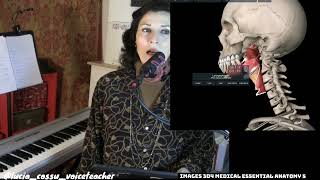

 NH
NH 空
空 EM
EM A
A